

Estrés ambiental
Overwatering
-
Pathogen:
Environmental stress
Type:
Risk to the plant:
CRÍTICO
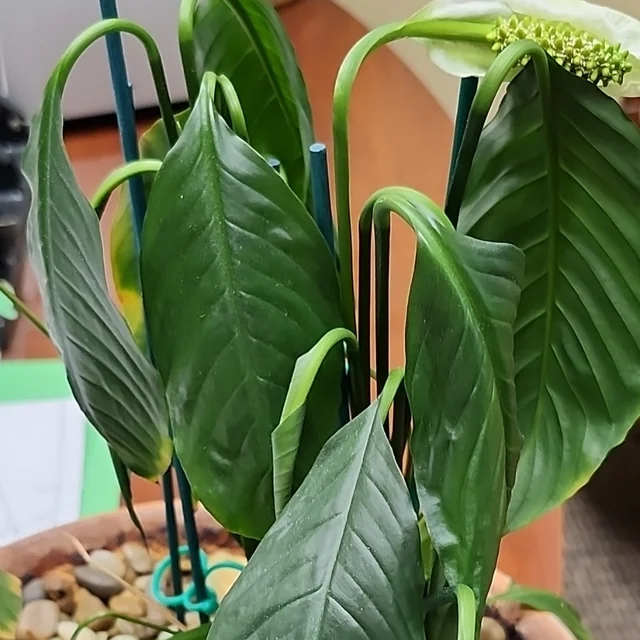
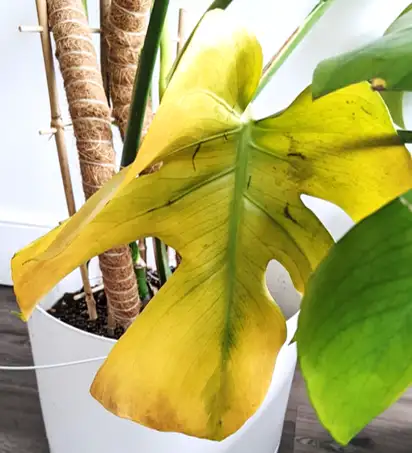

DESCRIPTION
WHO CAUSES IT?
Excessive watering or irrigation causes soil saturation, reducing oxygen availability in the root zone and impairing root respiration and function. This limits nutrient absorption and promotes the growth of pathogens such as fungi and bacteria. It commonly occurs in poorly drained soils, with overly frequent watering, or after prolonged heavy rain. It can also be exacerbated in pots without adequate drainage. Because it directly affects the roots, the symptoms can be mistaken for nutritional deficiencies, although their origin is physiological.
SYMPTOMS
Excess water primarily affects the root system, but its effects are quickly felt throughout the entire plant.
Typical symptoms:
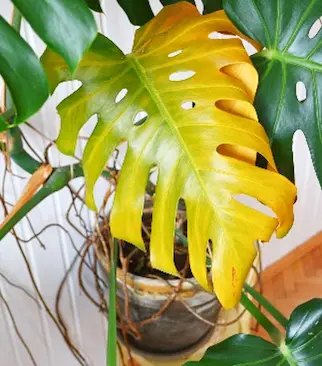
• Yellowing leaves (generalized chlorosis), especially on lower leaves.
• Wilting despite moist soil.
• Premature leaf drop.
• Dark, soft, or foul-smelling roots (root rot).
• Slow or stunted growth.
• Fungal growth at the base of the stem or in the soil.
Lack of oxygen in the soil hinders proper root development, progressively weakening the plant.
Stages of development:
• Initial: slight yellowing and loss of vigor.
Intermediate stage: wilting, leaf drop, and slow growth.
Advanced stage: root rot and general weakening.
Final stage: death of the plant due to root asphyxiation or associated diseases.
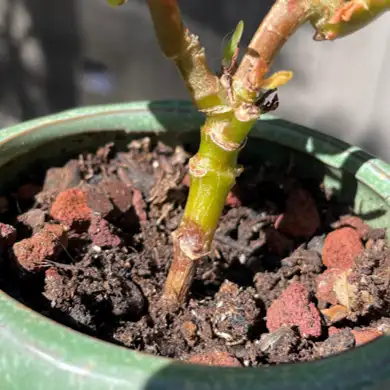
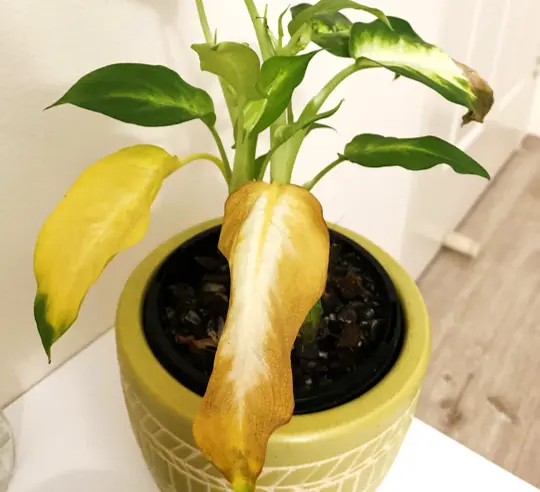

TEMPERATURE AND HUMIDITY
-
-

HOW IS IT SPREAD?
-

HOW TO REMOVE IT?
Home remedies
There are no home treatments
Chemical treatments
There are no phytosanitary treatments. Irrigation should be corrected and drainage improved.
Treatments allowed in organic farming
There are no phytosanitary treatments. Irrigation should be corrected and drainage improved.
Insect allies
PREDATORY MITES
LADYBUGS
LACEWINGS
PARASITIC WASPS
HOVERFLIES OR PARASITIC FLIES
PREDATORY BUGS
There are no natural allies
Mycodiplosis oidii (predatory mosquito)
EFFECTIVE PRODUCTS TO ELIMINATE THIS DISEASE
Sponsored link

Sponsored link


Sponsored link
Sponsored link
Sponsored link


Sponsored link
Sponsored link
Effective against all types of fungi

Sponsored link


Sponsored link
Sponsored link

Sponsored link


Sponsored link
To avoid problems caused by overwatering, it is essential to improve soil drainage and adjust watering frequency according to the crop's needs.
• Water only when the soil needs it, avoiding waterlogging.
• Ensure good drainage (pots with drainage holes or well-structured soil).
• Incorporate materials that improve aeration (sand, perlite, organic matter).
• Avoid excessive watering during periods of low evaporation (winter or cloudy days).
• Reduce watering frequency in clay or heavy soils.
• Raise crops (bedded planting) in areas prone to water accumulation.
• Control fungal diseases associated with excess moisture.
Recommendations

Enjoy idMicrobe TOTALLY FREE, with no trial periods.


