

Fusariosis
Fusarium wilt or basal wilt: what it is, how it occurs, and how to eliminate it effectively.
Fusarium Wilt Or Basal Wilt
Fusarium Oxysporum F.Sp. Cepae
Pathogen:
Fungus
Type:
Risk to the plant:
HIGH

DESCRIPTION
WHO CAUSES IT?
Fusarium oxysporum f.sp. cepae is a phytopathogenic fungus that mainly affects onions, causing the disease known as fusariosis or basal wilt. This pathogen is found in soils around the world and can survive for long periods in the form of chlamydospores, resistance structures that remain viable in soil and plant remains. When conditions are favorable, the fungus germinates and produces hyphae that can infect the roots of the onion, advancing through the plant's vascular system.
SYMPTOMS
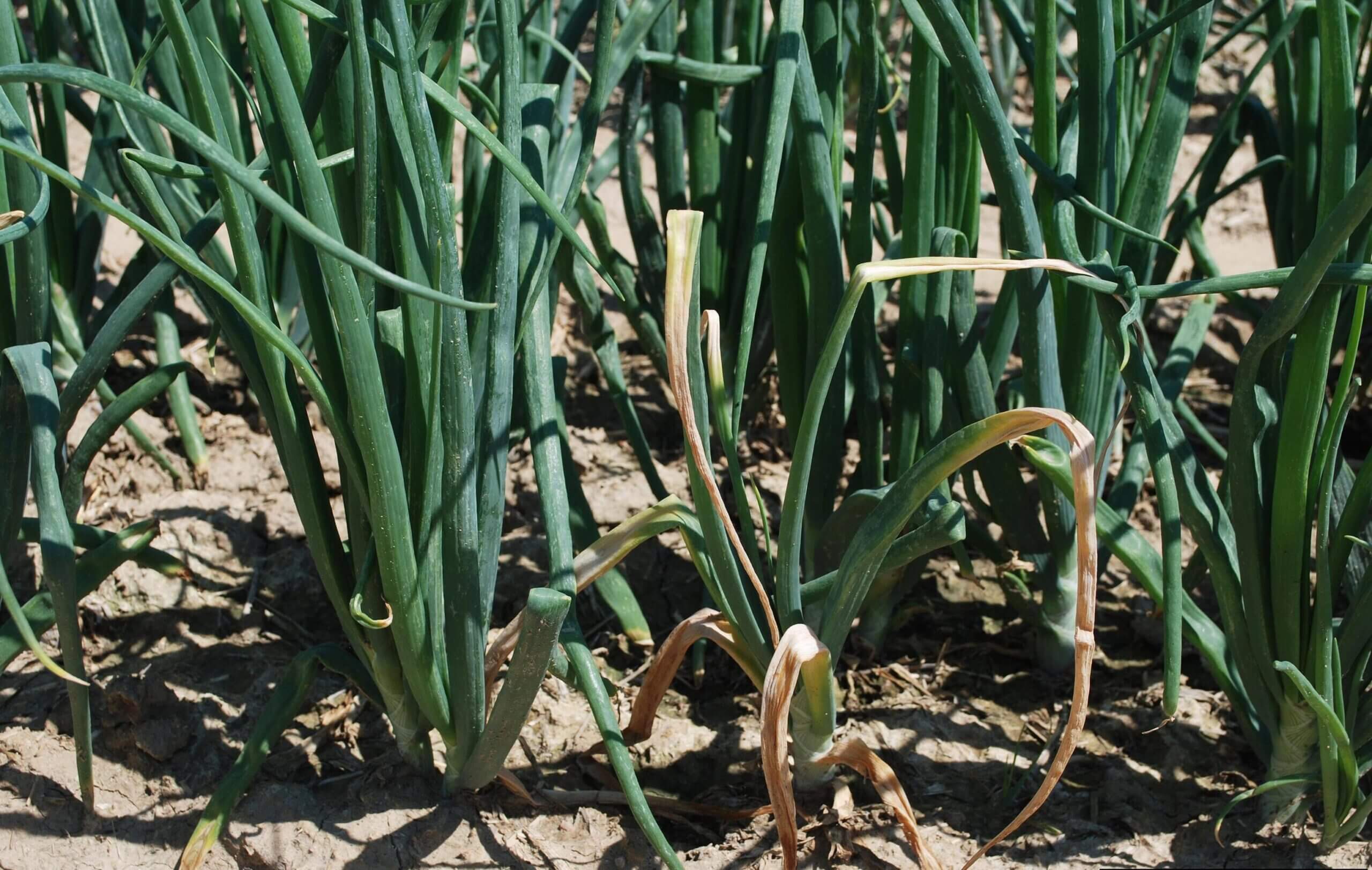
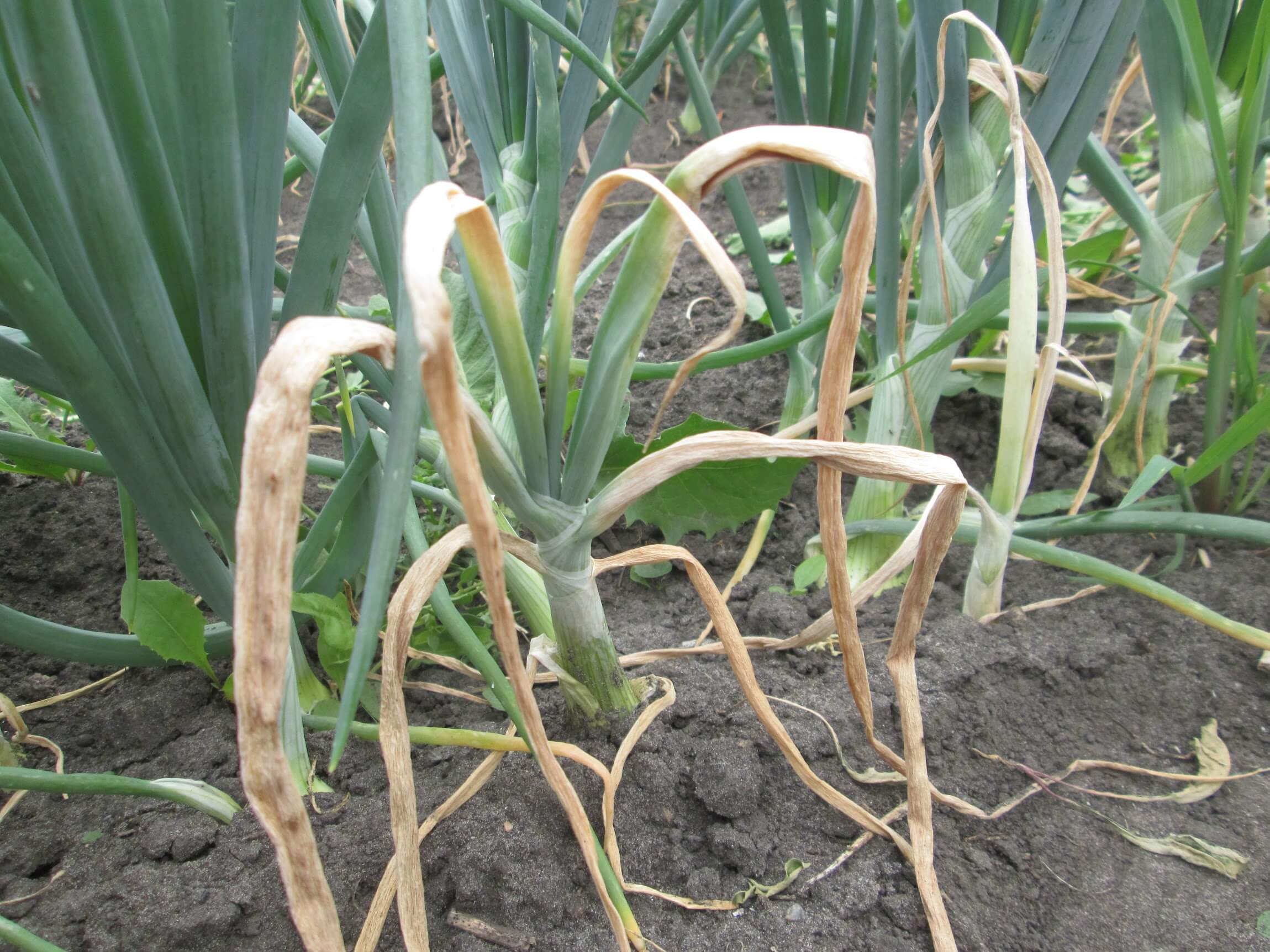
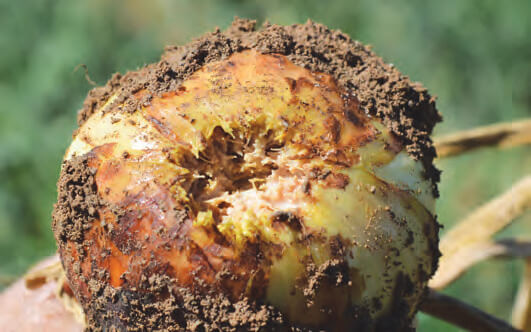
Fusarium wilt in onions causes wilting and rotting of the base of the plant. Symptoms include yellowing of the leaves and drying of the plant, which can progress from the roots upwards. In severe cases, the disease can cause the death of the plant.
• Yellowing and wilting of leaves.
• Rot at the base of the plant.
• Withering and drying of the plant.
• Loss of vigor and reduced growth.


TEMPERATURE AND HUMIDITY
18 ºC - 28ºC
70% - 90%

HOW IS IT SPREAD?
Soil, water, remains of infected plants.

HOW TO REMOVE IT?
Home remedies
There are no home treatments
Chemical treatments
• AZOXISTROBIN 12% + TEBUCONAZOLE 20% [SC] P/V
• AZOXISTROBIN 25% [SC] P/V
• CIPRODINIL 37.5% + FLUDIOXONIL 25% [WG] P/P
• PIRACLOSTROBIN 6.7% + BOSCALIDE 26.7% (I) [WG] P/P
• TEBUCONAZOLE 25% [EW] P/V
Treatments allowed in organic farming
-
Insect allies
PREDATORY MITES
LADYBUGS
LACEWINGS
PARASITIC WASPS
HOVERFLIES OR PARASITIC FLIES
PREDATORY BUGS
There are no natural allies
Mycodiplosis oidii (predatory mosquito)
EFFECTIVE PRODUCTS TO ELIMINATE THIS DISEASE
Sponsored link
Sponsored link


Sponsored link
Sponsored link
Sponsored link


Sponsored link
Sponsored link
Effective against all types of fungi

Sponsored link


Sponsored link
Sponsored link

Sponsored link


Sponsored link
• Use onion varieties resistant or tolerant to Fusarium oxysporum f.sp. cepae.
• Practice crop rotation with non-host species.
• Improve soil drainage to avoid waterlogging.
• Disinfect cultivation tools and equipment to prevent spread.
• Control weeds that can act as a reservoir for the fungus.
• Apply specific fungicides according to local recommendations.
Recommendations

Enjoy idMicrobe TOTALLY FREE, with no trial periods.


