

Orugas o gusanos
Gray Worm Or Cutworm
Agrotis Sp.
Pathogen:
Insect
Type:
Risk to the plant:
HIGH
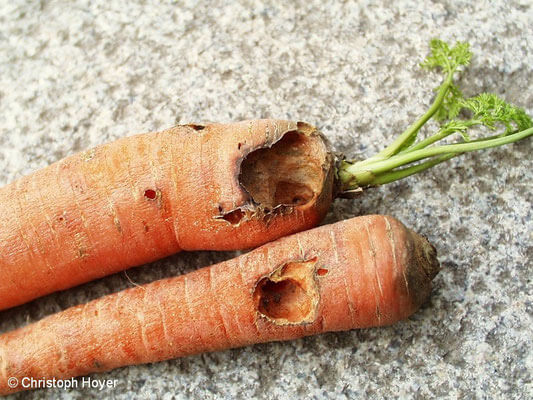
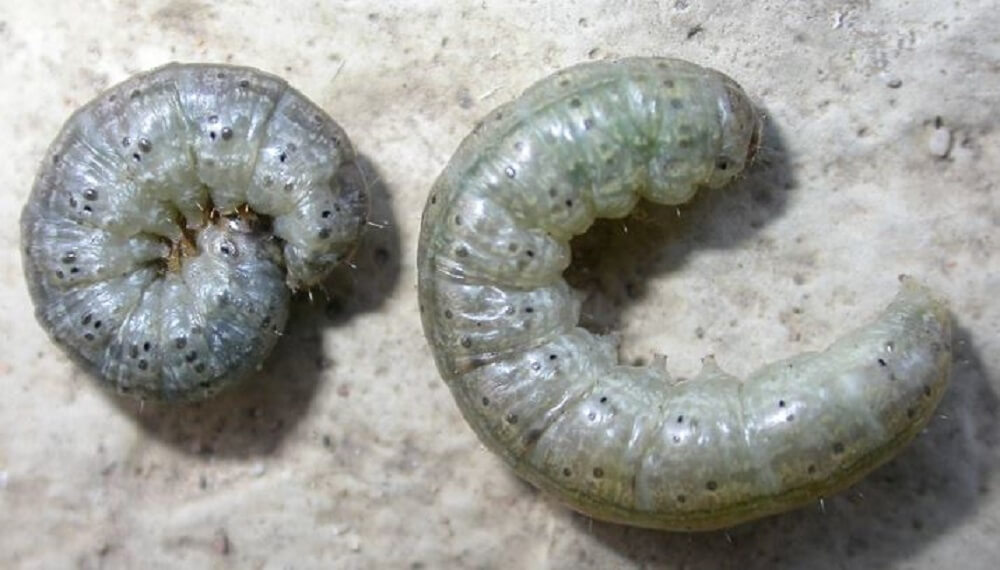

DESCRIPTION
WHO CAUSES IT?
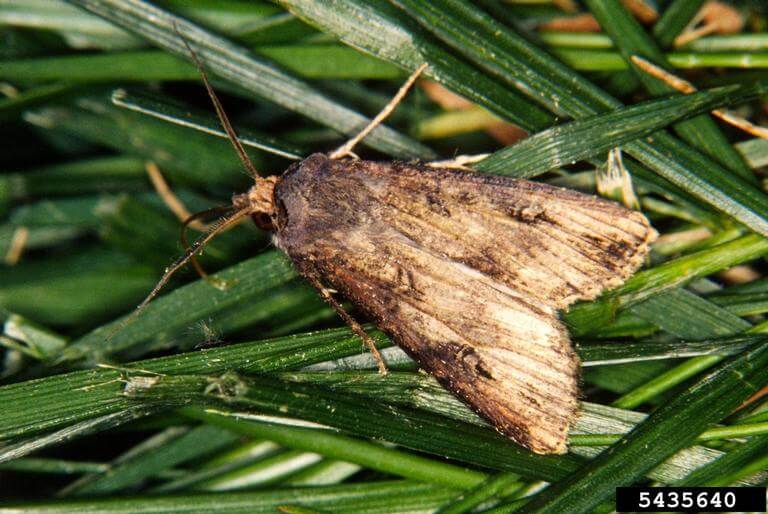
The pathogen Agrotis sp., commonly known as gray worm or cutworm, is a larva belonging to the Noctuidae family. This insect has a biological cycle that includes several stages: egg, larva, pupa and adult. Adults are nocturnal moths that mate and lay their eggs in the soil or near the base of plants. The larvae emerge from the eggs and begin feeding on the roots and stems of young plants. These larvae go through several larval stages, during which they grow and shed their skin several times. Once they have reached full development, they burrow into the ground to pupate. The pupal phase lasts several weeks, after which the adult emerges, thus completing its cycle.
SYMPTOMS
The disease caused by the gray worm or cutworm in carrots is highly destructive, since the larvae feed on the roots and tender stems, causing significant damage to young plants. General symptoms include weakening of plants, wilting and, in severe cases, death of affected plants. In addition, holes are observed at the base of the stems and bitten roots. These damages not only affect plant growth, but also facilitate the entry of other secondary pathogens.
- Weakened plants
- Wilting
- Death of young plants
- Holes at the base of the stems
- Bitten roots


TEMPERATURE AND HUMIDITY
20°C - 30°C
60% - 80%

HOW IS IT SPREAD?
Soil dispersal, Movement of infested plants, Wind, Human activities, Animals, Contaminated plant material

HOW TO REMOVE IT?
Home remedies
There are no home treatments
Chemical treatments
• CYPERMETHRIN 5% [EC] P/V
• CYPERMETHRIN 0.8% [MG] P/P
• DELTAMETHRIN 1.5% [EW] P/V
• DELTAMETHRIN 1.57% [SC] P/V
• DELTAMETHRIN 2.5% [EC] P/V
• DELTAMETHRIN 2.5% [EW] P/V
• LAMBDA CYHALOTHRIN 0.15% [GR] P/P
• LAMBDA CYHALOTHRIN 0.24% [GR] P/P
• LAMBDA CYHALOTHRIN 0.4% [GR] P/P
• LAMBDA CYHALOTHRIN 10% [CS] P/V
• TEFLUTRIN 0.5% [GR] P/P
Treatments allowed in organic farming
• LAMBDA CYHALOTHRIN 0.15% [GR] P/P
• LAMBDA CYHALOTHRIN 0.24% [GR] P/P
• LAMBDA CYHALOTHRIN 0.4% [GR] P/P
• LAMBDA CYHALOTHRIN 10% [CS] P/V
Insect allies
PREDATORY MITES
LADYBUGS
LACEWINGS
PARASITIC WASPS
HOVERFLIES OR PARASITIC FLIES
PREDATORY BUGS
There are no natural allies
Mycodiplosis oidii (predatory mosquito)
EFFECTIVE PRODUCTS TO ELIMINATE THIS DISEASE
Sponsored link
Sponsored link


Sponsored link
Sponsored link
Sponsored link


Sponsored link
Sponsored link
Effective against all types of fungi

Sponsored link


Sponsored link
Sponsored link

Sponsored link


Sponsored link
- Carry out an adequate crop rotation to avoid the accumulation of larvae in the soil.
- Maintain good cleanliness of the field, eliminating plant remains and weeds where moths can lay their eggs.
- Use physical barriers around young plants to protect them from larvae.
- Apply biological treatments with natural enemies of the cutworm, such as entomopathogenic nematodes.
- Implement pheromone traps to capture adult moths and reduce the population of future larvae.
- Apply specific insecticides at the appropriate time, following technical recommendations to minimize environmental impact and avoid resistance.
Recommendations

Enjoy idMicrobe TOTALLY FREE, with no trial periods.


