

Fusariosis
Fusarium wilt or corn lodging: what it is, how it occurs, and how to effectively eliminate it.
Fusarium Wilt Or Corn Return
Fusarium Spp.
Pathogen:
Fungus
Type:
Risk to the plant:
HIGH
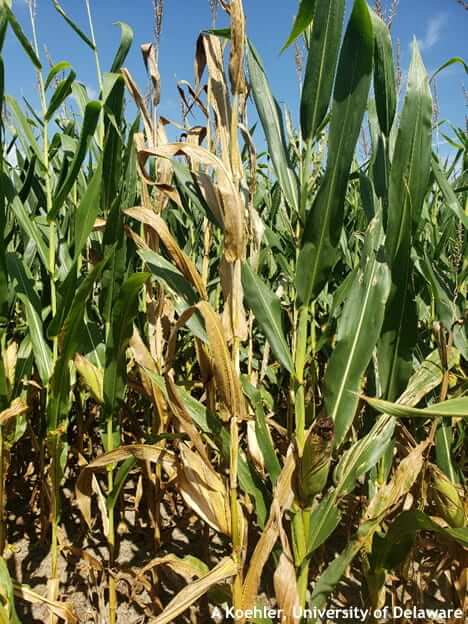
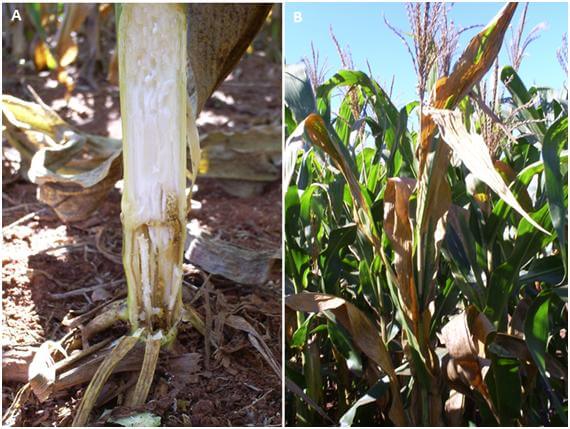

DESCRIPTION
WHO CAUSES IT?
Fusarium spp. It is a genus of filamentous fungi that includes several species pathogenic to corn, causing the disease known as fusarium wilt. These fungi are found in soil and plant residues, where they produce survival structures such as chlamydospores, which can persist for long periods in adverse conditions. When environmental conditions are favorable, chlamydospores germinate and produce mycelium, which can invade plant roots. Fusarium spp. It spreads through the plant's vascular system, blocking the flow of water and nutrients and producing toxins that contribute to wilting. During the crop cycle, the pathogen produces asexual spores called conidia, which are dispersed by wind, water and agricultural tools, facilitating the infection of new plants. At the end of the growing season, the fungus re-forms resistant structures to survive until the next season.
SYMPTOMS
Fusarium wilt in corn is characterized by a set of symptoms that affect both the roots and the aerial parts of the plant. The infection usually starts in the roots, spreading rapidly through the vascular system and causing a decrease in the growth and development of corn. The most common symptoms include:
- Withering of leaves
- Vascular discoloration of roots and stem
- Root necrosis
- Delayed plant growth
- Chlorosis and yellowing of the lower leaves
- General collapse of the plant in advanced stages of infection
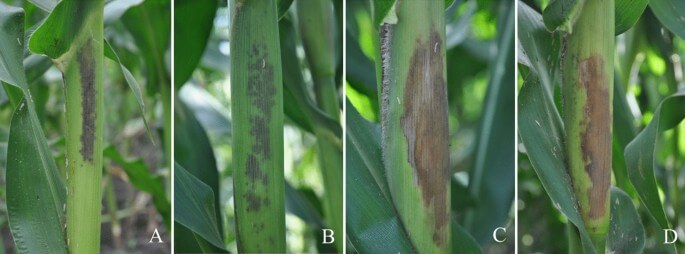
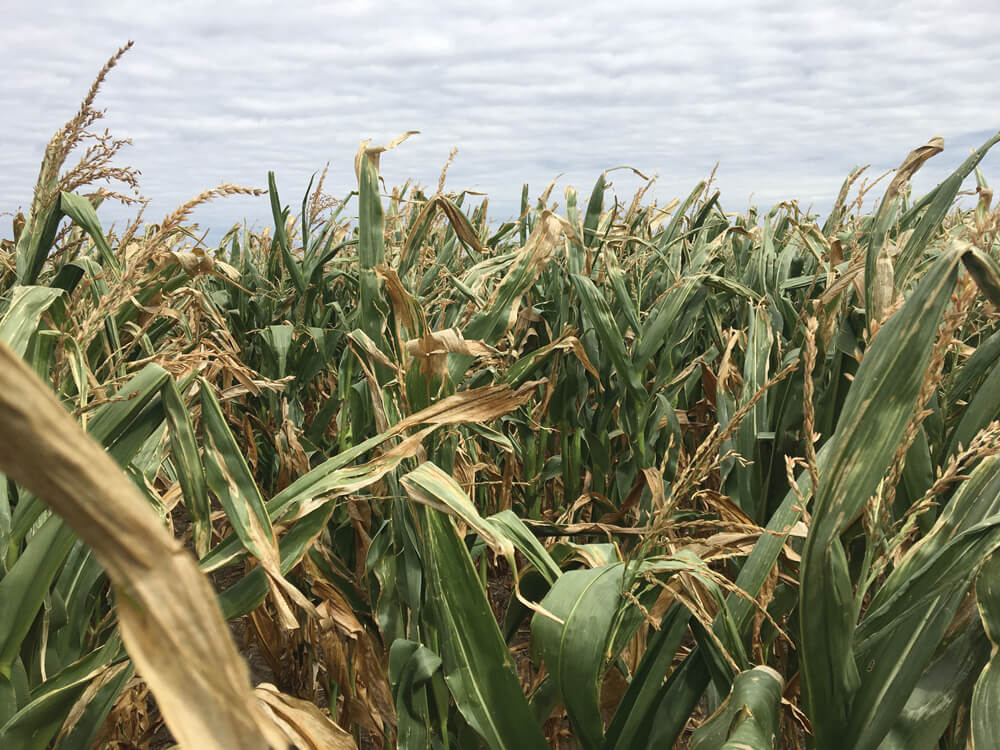


TEMPERATURE AND HUMIDITY
20°C - 30°C
70% - 90%

HOW IS IT SPREAD?
Contaminated soil, infected crop residues, contaminated seeds, agricultural tools, irrigation water

HOW TO REMOVE IT?
Home remedies
There are no home treatments
Chemical treatments
• AZOXISTROBIN 25% [SC] P/V
• POTASSIUM HYDROGEN CARBONATE 85% [SG] P/P
Treatments allowed in organic farming
• POTASSIUM HYDROGEN CARBONATE 85% [SG] P/P
Insect allies
PREDATORY MITES
LADYBUGS
LACEWINGS
PARASITIC WASPS
HOVERFLIES OR PARASITIC FLIES
PREDATORY BUGS
There are no natural allies
Mycodiplosis oidii (predatory mosquito)
EFFECTIVE PRODUCTS TO ELIMINATE THIS DISEASE
Sponsored link
Sponsored link


Sponsored link
Sponsored link
Sponsored link


Sponsored link
Sponsored link
Effective against all types of fungi

Sponsored link


Sponsored link
Sponsored link

Sponsored link


Sponsored link
- Use certified seeds treated with fungicides to reduce the initial presence of the pathogen.
- Implement crop rotation with species not susceptible to fusarium to reduce the accumulation of the pathogen in the soil.
- Improve soil drainage to avoid excessive humidity conditions that favor the development of the fungus.
- Apply specific fungicides in the early stages of the crop and according to technical recommendations.
- Carry out constant monitoring of the crop for early detection of symptoms and apply timely control measures.
- Remove and destroy infected crop residues to reduce the source of inoculum.
- Avoid excessive use of nitrogen in fertilization, as it can favor Fusarium infection.
- Implement tillage practices that favor the decomposition of plant residues and reduce the survival of the fungus in the soil.
Recommendations

Enjoy idMicrobe TOTALLY FREE, with no trial periods.


