

Minadores
Beet Fly
Pegomya Betae
Pathogen:
Insect
Type:
Risk to the plant:
HIGH


DESCRIPTION
WHO CAUSES IT?
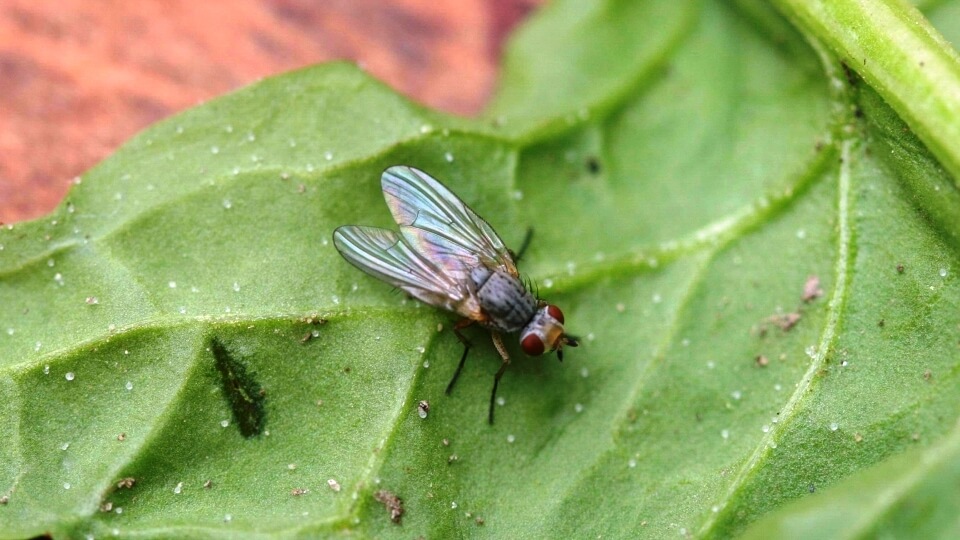
Pegomya betae, commonly known as the beet fly, is an insect that severely affects sugar beet crops. Adults are small, grayish in color, and lay their eggs at the base of plants or in nearby soil. Upon hatching, the larvae, which are creamy white in color and legless, enter the leaf tissue where they feed, creating mines in the leaves. These mines grow as the larvae develop, causing significant damage to the plant. After completing their larval development, the larvae fall to the ground to pupate, and adults emerge from the pupae and restart the reproductive cycle. This process can be repeated several times during the growing season, especially under favorable temperature and humidity conditions.
SYMPTOMS
The beet fly, Pegomya betae, causes a disease characterized by the formation of mines on the leaves of sugar beet. These mines, created by the larvae when feeding on leaf tissue, interfere with photosynthesis and plant growth, reducing its yield and quality.
- Presence of mines on the leaves.
- Yellowish and dry leaves.
- Reduction in the photosynthetic capacity of the plant.
- Decrease in the growth and vigor of the plant.
- Increased susceptibility to other diseases.
- Aesthetic and commercial damage to the crop.



TEMPERATURE AND HUMIDITY
15°C - 25°C
60% - 80%

HOW IS IT SPREAD?
Wind, direct contact with infested plants, agricultural tools, infected plant material, contaminated transplants

HOW TO REMOVE IT?
Home remedies
There are no home treatments
Chemical treatments
• DELTAMETHRIN 2.5% [EW] P/V
• LAMBDA CYHALOTHRIN 10% [CS] P/V
Treatments allowed in organic farming
• LAMBDA CYHALOTHRIN 10% [CS] P/V
Insect allies
PREDATORY MITES
LADYBUGS
LACEWINGS
PARASITIC WASPS
HOVERFLIES OR PARASITIC FLIES
PREDATORY BUGS
There are no natural allies
Mycodiplosis oidii (predatory mosquito)
EFFECTIVE PRODUCTS TO ELIMINATE THIS DISEASE
Sponsored link

Sponsored link


Sponsored link
Sponsored link
Sponsored link


Sponsored link
Sponsored link
Effective against all types of fungi

Sponsored link


Sponsored link
Sponsored link

Sponsored link


Sponsored link
- Carry out regular monitoring of the crop to detect the presence of adults and early mines on the leaves.
- Use yellow sticky traps to capture and monitor Pegomya betae adults.
- Implement crop rotations to reduce fly populations in the field.
- Apply specific insecticide treatments preventively and when infestation levels are detected that justify treatment.
- Promote the presence of natural enemies such as parasitoids and predators that can help control Pegomya betae populations.
- Maintain good field hygiene, eliminating crop remains and weeds that could serve as shelter for adults.
- Use sugar beet varieties that are less susceptible to fly attack.
- Avoid excessive use of nitrogen fertilizers, as they can make the plants more attractive to ovipositoring females.
Recommendations

Enjoy idMicrobe TOTALLY FREE, with no trial periods.


