

Minadores
Carrot Fly
Psila Rosae
Pathogen:
Insect
Type:
Risk to the plant:
HIGH


DESCRIPTION
WHO CAUSES IT?
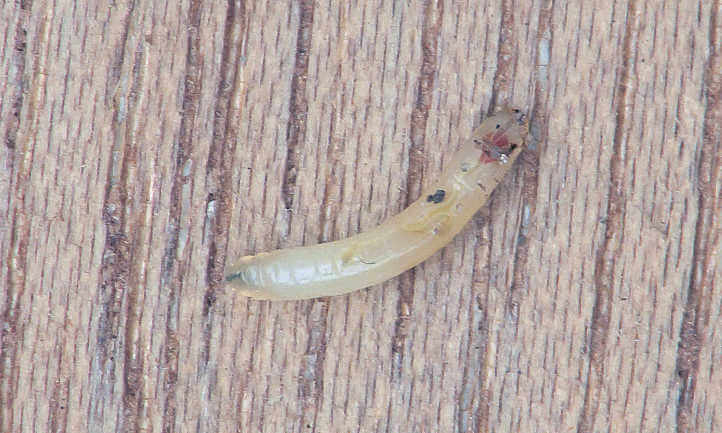
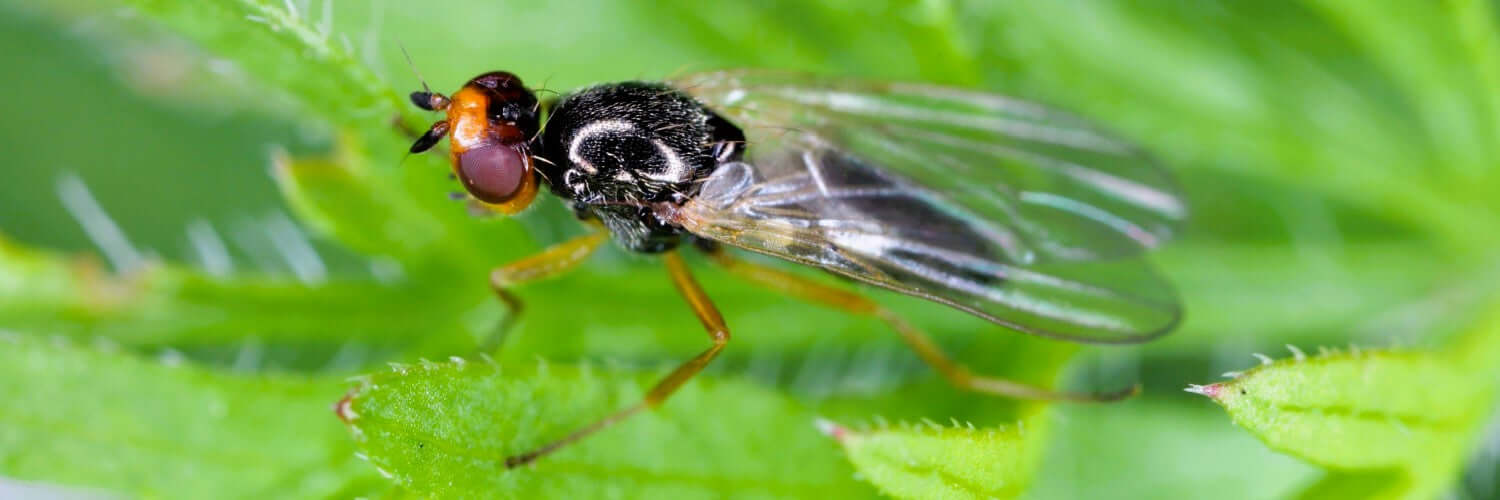
Psila rosae, known as the carrot fly, is an insect belonging to the Psilidae family. This dipteran presents a development cycle that involves several stages. Adults emerge in spring and are characterized by their shiny black color and transparent wings. Females lay their eggs in the soil near the roots of carrots. The larvae, which are small and cream-colored, emerge from the eggs and begin to feed on the tender roots of the carrot. The larvae go through three larval stages before pupating in the soil. The pupae are brown and develop underground, emerging as adults to begin the cycle again. The carrot fly can complete several generations a year, especially in hot, humid climates.
SYMPTOMS
The disease caused by Psila rosae in carrots manifests mainly in the roots, affecting their development and quality. The larvae that feed on the roots cause extensive galleries and damage that can lead to deformation and necrosis of the affected tissues. This not only reduces the marketable quality of carrots, but can also cause death of young plants in severe infestations.
- Presence of galleries and tunnels in the roots.
- Deformation and bifurcation of the roots.
- Brown or black discoloration at the feeding points.
- Delay in plant growth.
- Withering and death of seedlings.
- General loss of vigor in affected plants.


TEMPERATURE AND HUMIDITY
15-25°C
70-90%

HOW IS IT SPREAD?
Wind, Movement of contaminated soil, Infected plants, Agricultural tools, Crop residues

HOW TO REMOVE IT?
Home remedies
There are no home treatments
Chemical treatments
• CHLORANTRANILIPROL 35% [WG] P/P
• CYPERMETHRIN 0.8% [MG] P/P
• TEFLUTRIN 0.5% [GR] P/P
• DELTAMETHRIN 1.57% [SC] P/V
• DELTAMETHRIN 2.5% [EC] P/V
Treatments allowed in organic farming
-
Insect allies
PREDATORY MITES
LADYBUGS
LACEWINGS
PARASITIC WASPS
HOVERFLIES OR PARASITIC FLIES
PREDATORY BUGS
There are no natural allies
Mycodiplosis oidii (predatory mosquito)
EFFECTIVE PRODUCTS TO ELIMINATE THIS DISEASE
Sponsored link
Sponsored link


Sponsored link
Sponsored link
Sponsored link


Sponsored link
Sponsored link
Effective against all types of fungi

Sponsored link


Sponsored link
Sponsored link

Sponsored link


Sponsored link
- Carry out crop rotation to avoid the accumulation of Psila rosae in the soil.
- Use physical barriers such as fine mesh to prevent adults from laying eggs on the ground.
- Apply specific insecticide treatments at key moments in the pest cycle, such as during the emergence of adults.
- Maintain good soil health with proper fertilization and irrigation practices to strengthen plants.
- Monitor the crop regularly with yellow sticky traps to detect the presence of adults.
- Implement pheromone traps to capture and reduce the adult population.
- Eliminate crop residues and weeds that could serve as an alternative host for the pest.
- Promote the presence of natural enemies such as parasitoid wasps and predators through the conservation of suitable habitats.
Recommendations

Enjoy idMicrobe TOTALLY FREE, with no trial periods.


