


Oídio
Powdery mildew: what it is, how it originates, and how to eliminate it effectively
Powdery Mildew
Podosphaera Pannosa
Pathogen:
Fungus
Type:
Risk to the plant:
HIGH


DESCRIPTION
WHO CAUSES IT?
Podosphaera pannosa is a pathogenic fungus that mainly affects plants of the Prunus genus, such as peach, peach and nectarine. This fungus is characterized by the production of asexual spores called conidia, which are dispersed by the wind. During the winter, the fungus survives in a dormant state in infected buds or in remains of fallen leaves on the ground. In spring, with favorable temperature and humidity conditions, the spores germinate and the fungus infects the new leaves and shoots. The mycelium of the fungus grows on the surface of the leaves and other organs of the plant, forming a characteristic whitish or grayish layer. This mycelium produces new conidia that can infect other parts of the plant or nearby plants, perpetuating the infection throughout the growing season.
SYMPTOMS
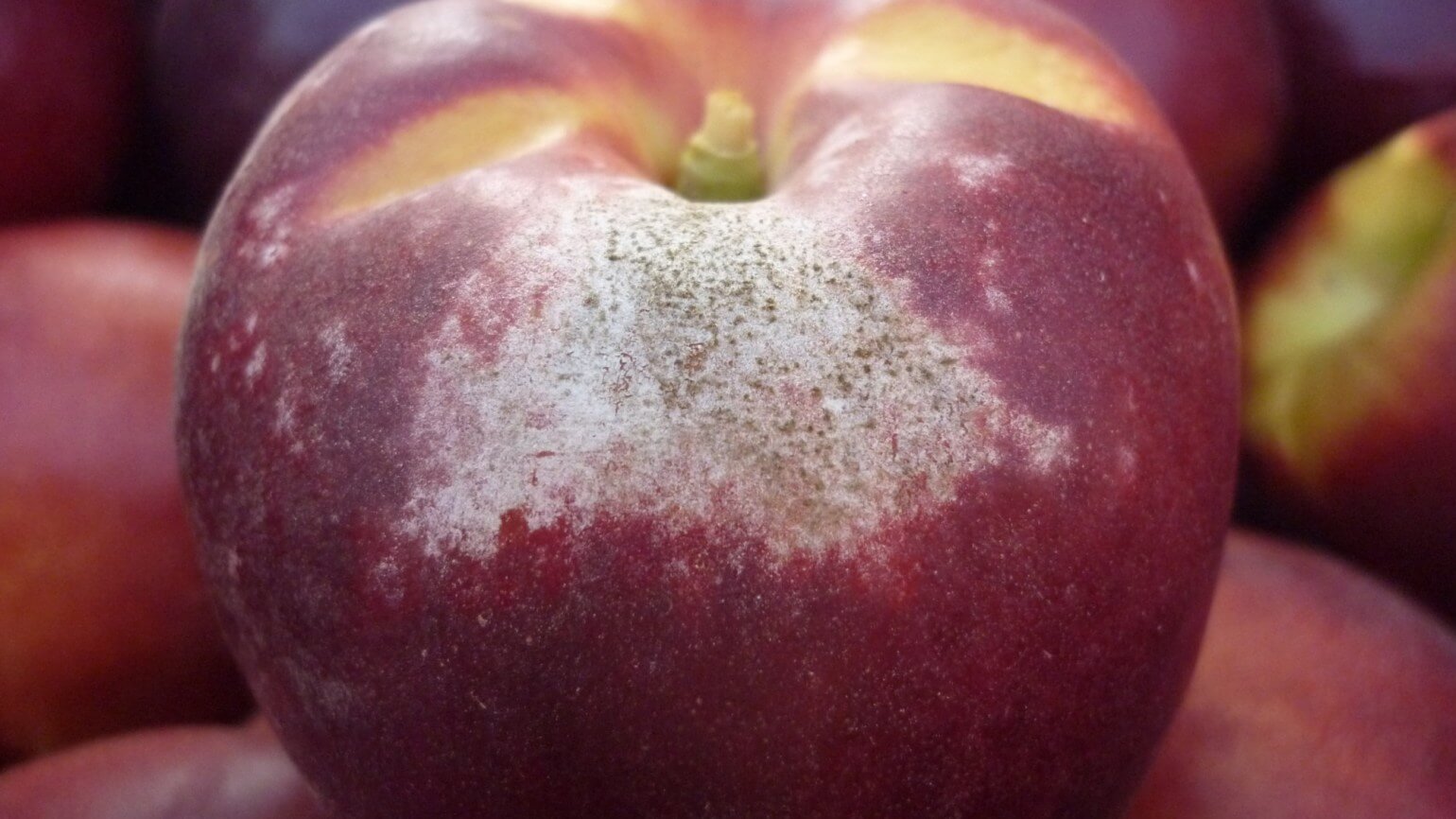
In peach, peach or nectarine, infection by Podosphaera pannosa causes the development of the disease known as powdery mildew. The first signs of the disease usually appear on young leaves and tender shoots, where a thin layer of white or gray powder is observed on the surface. This layer is the mycelium of the fungus and the spores it produces. As the disease progresses, the leaves may become deformed, yellow, and fall prematurely, affecting fruit development and crop quality. In addition, infected fruits may show Taches or deformations that reduce their commercial value.
- Appearance of a white or gray powder on leaves and shoots
- Deformation and yellowing of the leaves
- Premature leaf fall
- Reduction in shoot growth
- Taches and deformations on the fruits
- Decrease in harvest quality
- Reduction in photosynthesis due to mycelium coverage on the leaves.


TEMPERATURE AND HUMIDITY
15-25°C
40-70%

HOW IS IT SPREAD?
Wind, direct contact between plants, contaminated agricultural tools, clothing and work equipment

HOW TO REMOVE IT?
Home remedies
There are no home treatments
Chemical treatments
• ORANGE OIL 6% [SL] P/V
• ORANGE OIL 60g/L [ME] P/S
• SULFUR 70% [SC] P/V
• SULFUR 72% [SC] P/V
• SULFUR 80% [SC] P/V
• SULFUR 80% [WG] P/P
• SULFUR 80% [WP] P/P
• SULFUR 82.5% [SC] P/V
• BUPIRIMATE 25% [EC] P/V
• CIFLUFENAMID 5.13% [EW] P/V
• DIFENOCONAZOLE 25% [EC] P/V
• FLUOPYRAM 20% + TEBUCONAZOLE 20% [SC] P/V
• FLUXAPYROXAD 30% [SC] P/V
• POTASSIUM HYDROGEN CARBONATE 0.425% [AL] P/V
• POTASSIUM HYDROGEN CARBONATE 85% [SP] P/P
• Penconazole 10% [EC] P/V
• PENCONAZOLE 20% [EW] P/V
• PIRACLOSTROBIN 6.7% + BOSCALIDE 26.7% ( ) [WG] P/P
• PIRACLOSTROBIN 6.7% + BOSCALIDE 26.7% [WG] P/P
• TEBUCONAZOLE 20% [EW] P/V
• TEBUCONAZOLE 25% [EC] P/V
• TEBUCONAZOLE 25% [EW] P/V
• TEBUCONAZOLE 25% [WG] P/P
• TEBUCONAZOLE 50% + TRIFLOXISTROBIN 25% [WG] P/P
Treatments allowed in organic farming
• ORANGE OIL 6% [SL] P/V
• ORANGE OIL 60g/L [ME] P/S
• SULFUR 70% [SC] P/V
• SULFUR 72% [SC] P/V
• SULFUR 80% [SC] P/V
• SULFUR 80% [WG] P/P
• SULFUR 80% [WP] P/P
• SULFUR 82.5% [SC] P/V
• POTASSIUM HYDROGEN CARBONATE 0.425% [AL] P/V
• POTASSIUM HYDROGEN CARBONATE 85% [SP] P/P
Insect allies
PREDATORY MITES
LADYBUGS
LACEWINGS
PARASITIC WASPS
HOVERFLIES OR PARASITIC FLIES
PREDATORY BUGS
There are no natural allies
Mycodiplosis oidii (predatory mosquito)
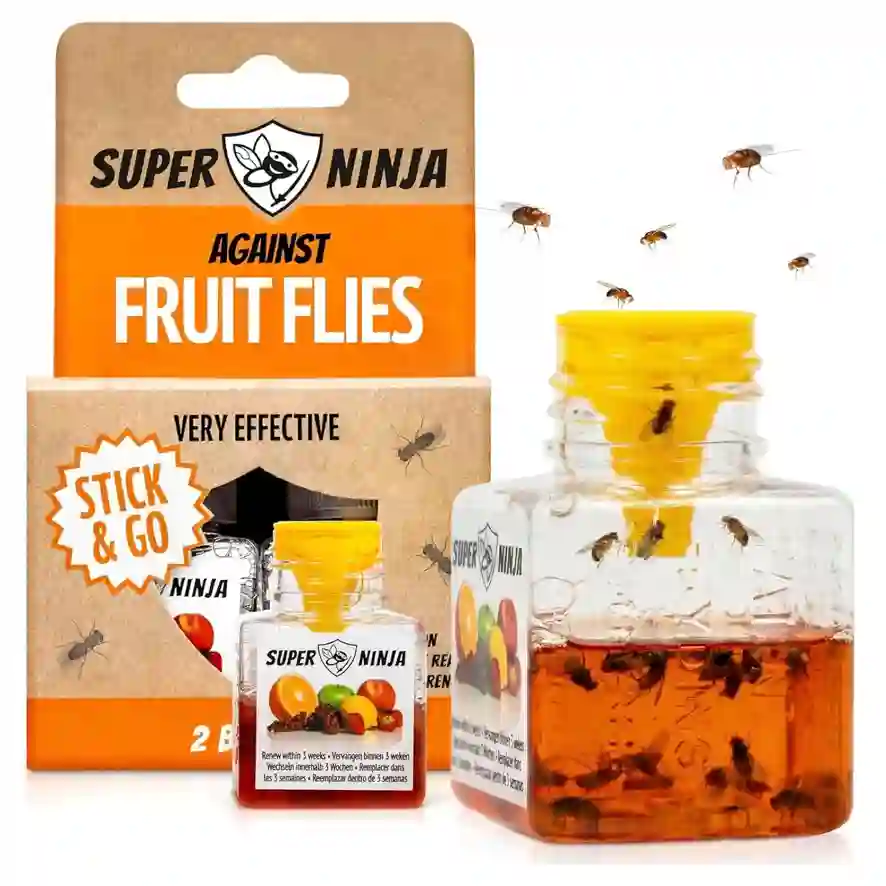
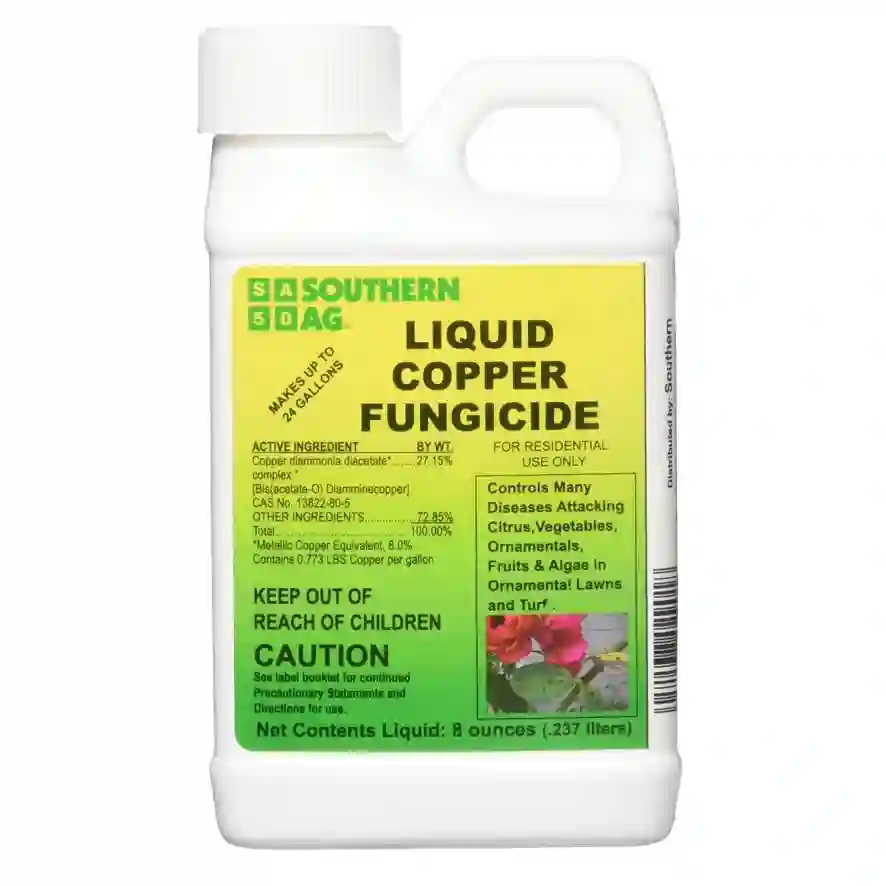
EFFECTIVE PRODUCTS TO ELIMINATE THIS DISEASE



- Carry out sanitation pruning to eliminate infected buds and shoots.
- Maintain good ventilation in the crop to reduce relative humidity.
- Apply specific fungicides to control powdery mildew in a preventive and curative manner.
- Use powdery mildew resistant varieties whenever possible.
- Eliminate and destroy the remains of leaves and shoots fallen to the ground that may harbor the fungus.
- Regularly monitor the crop to detect the first signs of the disease.
- Implement adequate irrigation, avoiding excess moisture in the leaves and foliage.
- Use biological products, such as neem extracts or baking soda, as alternatives to chemical fungicides.
- Rotate the fungicides used to avoid the development of resistance.
- Establish an integrated pest management (IPM) strategy that includes biological and cultural control.
Recommendations



Explore more tools
Services
Contact
Legal
©2023 por ZeriMar Laboratoire. Todos los derechos reservados.