

Oídio
Powdery Mildew
Podosphaera Pannosa
Pathogen:
Fungus
Type:
Risk to the plant:
INTERMEDIATE


DESCRIPTION
WHO CAUSES IT?
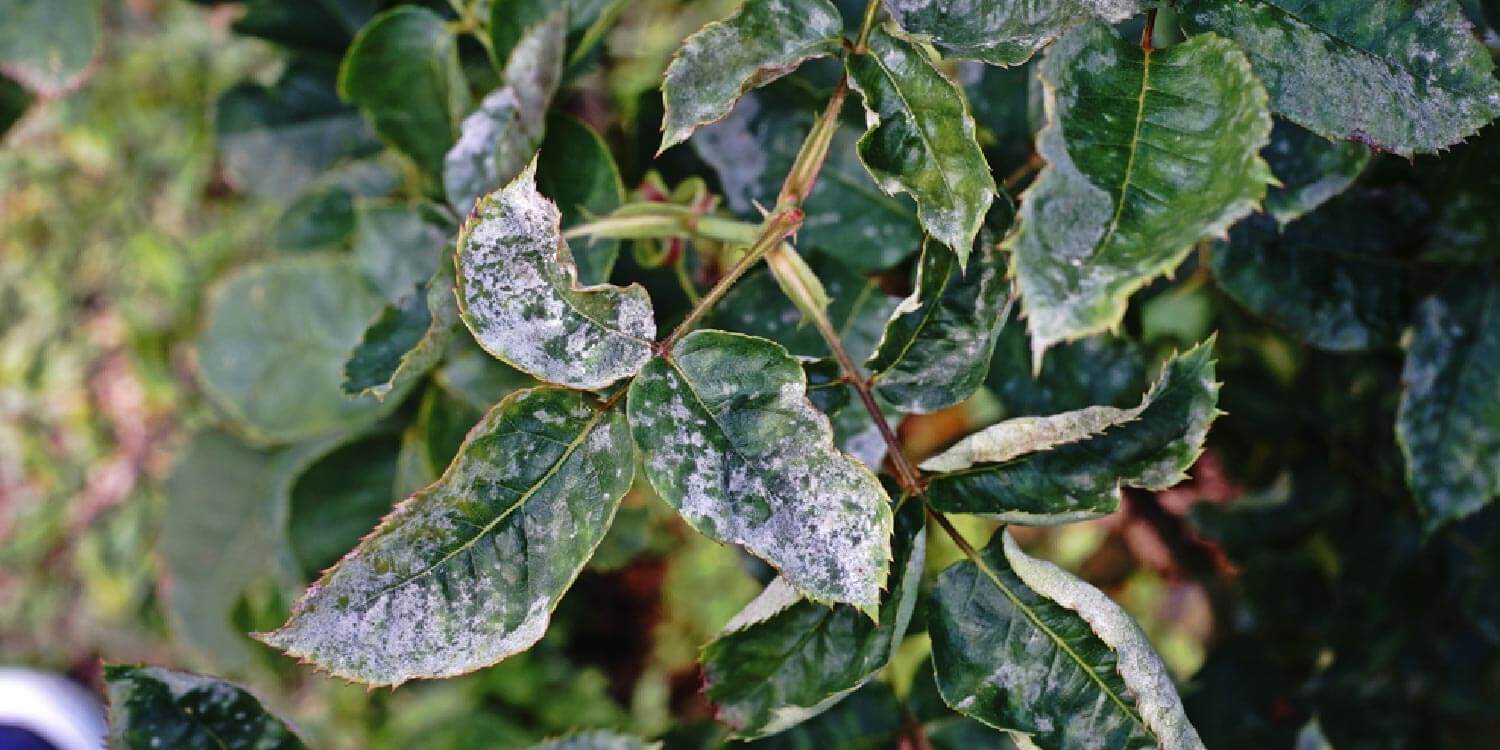
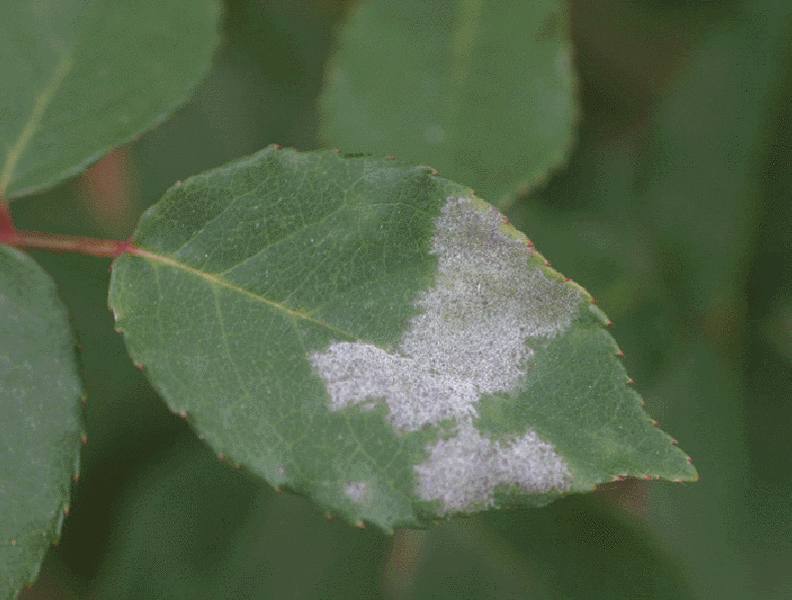
Powdery mildew, also known as white ash, is a fungal disease caused by various fungi of the genus Erysiphales. This pathogen affects a wide variety of plants, including roses, and manifests itself as a white or grayish powder that covers the leaves, stems, and sometimes even the flowers and fruits of the infected plant.
SYMPTOMS
In rose bushes, powdery mildew can cause serious damage if not properly controlled. Symptoms include powdery white Taches on leaves and shoots, which can spread and merge over time, forming a dense layer that hinders photosynthesis and weakens the plant. Additionally, the growth and development of flowers and fruits may be negatively affected, resulting in decreased quality and quantity of production.


TEMPERATURE AND HUMIDITY
18°C - 25°C
60% - 80%

HOW IS IT SPREAD?
Wind, direct contact between infected and healthy plants, as well as passive transport through gardening tools, hands or other contaminated objects.

HOW TO REMOVE IT?
Home remedies
There are no home treatments
Chemical treatments
• ORANGE OIL 6% [SL] P/V
• ORANGE OIL 60g/L [ME] P/S
• SULFUR 20% [SC] P/V
• SULFUR 70% [SC] P/V
• SULFUR 72% [SC] P/V
• SULFUR 80% [DP] P/P
• SULFUR 80% [SC] P/V
• SULFUR 80% [WG] P/P
• SULFUR 80% [WP] P/P
• SULFUR 82.5% [SC] P/V
• BUPIRIMATE 25% [EC] P/V
• COS-OGA 1.25% [SL] P/V
• DIFENOCONAZOLE 25% [EC] P/V
• POTASSIUM HYDROGEN CARBONATE 0.425% [AL] P/V
• POTASSIUM HYDROGEN CARBONATE 85% [SP] P/P
• PIRACLOSTROBIN 6.7% + BOSCALIDE 26.7% ( ) [WG] P/P
• TEBUCONAZOLE 0.0125% + TRIFLOXISTROBIN 0.0125% [AL] P/V
Treatments allowed in organic farming
• ORANGE OIL 6% [SL] P/V
• ORANGE OIL 60g/L [ME] P/S
• SULFUR 20% [SC] P/V
• SULFUR 70% [SC] P/V
• SULFUR 72% [SC] P/V
• SULFUR 80% [DP] P/P
• SULFUR 80% [SC] P/V
• SULFUR 80% [WG] P/P
• SULFUR 80% [WP] P/P
• SULFUR 82.5% [SC] P/V
• COS-OGA 1.25% [SL] P/V
• POTASSIUM HYDROGEN CARBONATE 0.425% [AL] P/V
• POTASSIUM HYDROGEN CARBONATE 85% [SP] P/P
Insect allies
PREDATORY MITES
LADYBUGS
LACEWINGS
PARASITIC WASPS
HOVERFLIES OR PARASITIC FLIES
PREDATORY BUGS
There are no natural allies
Mycodiplosis oidii (predatory mosquito)
EFFECTIVE PRODUCTS TO ELIMINATE THIS DISEASE
Sponsored link
Sponsored link
Sponsored link


Sponsored link
Sponsored link
Sponsored link
Sponsored link


Sponsored link
Sponsored link
Effective against all types of fungi

Sponsored link
Sponsored link


Sponsored link
Sponsored link

Sponsored link
Sponsored link


Sponsored link
To prevent the appearance and spread of powdery mildew in rose bushes, it is important to follow appropriate cultural management practices, such as planting resistant varieties, maintaining adequate ventilation around the plants, avoiding overcrowding and excessive humidity, and performing appropriate pruning to promote good air circulation. Chemical control may also be necessary in severe cases, using specific fungicides for powdery mildew and applying them according to the manufacturer's recommendations.
Recommendations

Enjoy idMicrobe TOTALLY FREE, with no trial periods.


