

Oídio
Powdery Mildew
Podosphaera Sp, Blumeria Sp, Erysiphe Sp., Golovinomyces Sp. Laveillula Sp.
Pathogen:
Fungus
Type:
Risk to the plant:
INTERMEDIATE

DESCRIPTION
WHO CAUSES IT?
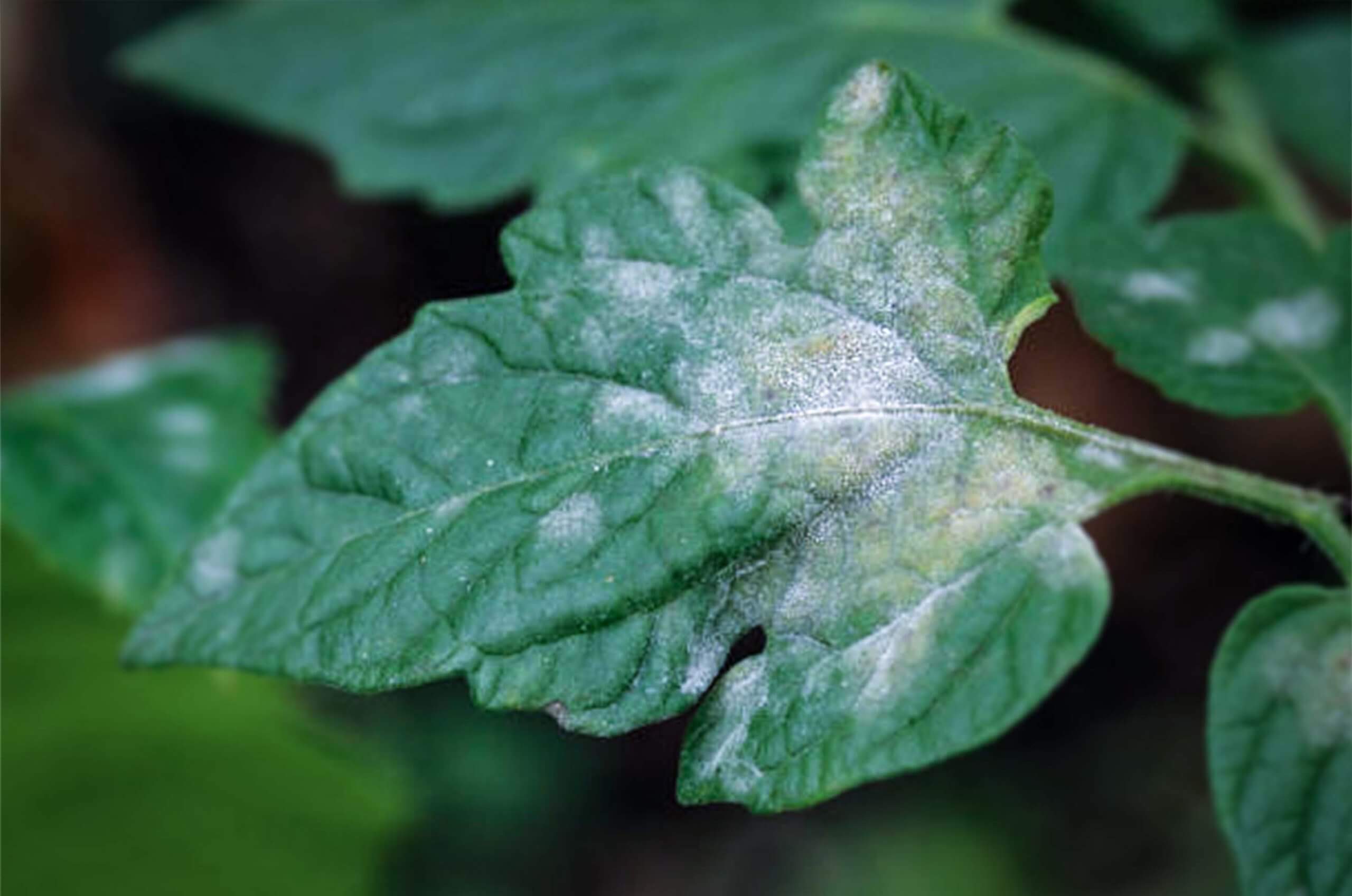
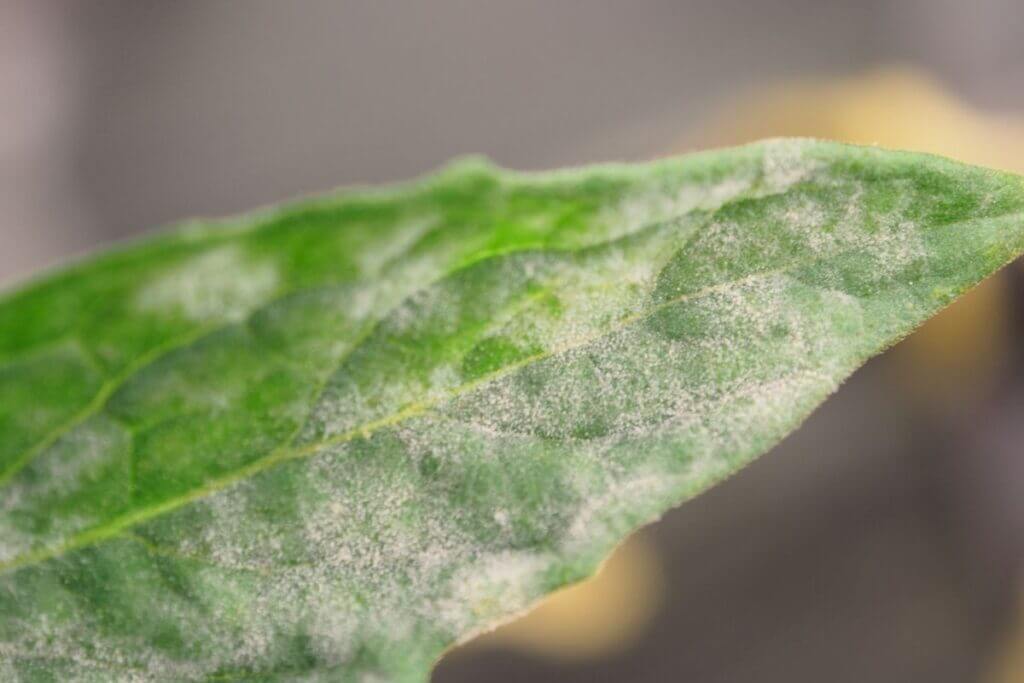
Powdery mildew, also known as powdery mildew, is a fungal disease caused by fungi of the genus Erysiphales. This pathogen is characterized by its powdery appearance, forming a white or gray coating on the leaves, stems and flowers of plants. Powdery mildew fungi develop especially in conditions of high humidity and moderate temperatures, spreading rapidly in warm and humid environments.
SYMPTOMS
The disease caused by powdery mildew in ornamental and garden plants is mainly manifested by the appearance of white or grayish Taches on the surface of the leaves, stems and flowers. These Taches can grow and merge over time, completely covering the affected parts of the plant. In addition, powdery mildew can cause deformations in the leaves and shoots, as well as the arrest of plant growth if the infection is severe.


TEMPERATURE AND HUMIDITY
18°C - 25°C
60% - 80%

HOW IS IT SPREAD?
Direct contact with infected plants, dispersal by wind, transport by insects.

HOW TO REMOVE IT?
Home remedies
There are no home treatments
Chemical treatments
• ORANGE OIL 6% [SL] P/V
• ORANGE OIL 60g/L [ME] P/S
• AZOXISTROBIN 25% [SC] P/V
• SULFUR 80% [SC] P/V
• SULFUR 80% [WG] P/P
• SULFUR 80% [WP] P/P
• CIFLUFENAMID 10% [SC] P/V
• POTASSIUM HYDROGEN CARBONATE 85% [SP] P/P
• METRAPHENONE 50% [SC] P/V
• TETRACONAZOLE 10% [EC] P/V
• TETRACONAZOLE 12.5% [ME] P/V
• TETRACONAZOLE 4% [ME] P/V
Treatments allowed in organic farming
• ORANGE OIL 6% [SL] P/V
• ORANGE OIL 60g/L [ME] P/S
• SULFUR 80% [SC] P/V
• SULFUR 80% [WG] P/P
• SULFUR 80% [WP] P/P
• POTASSIUM HYDROGEN CARBONATE 85% [SP] P/P
Insect allies
PREDATORY MITES
LADYBUGS
LACEWINGS
PARASITIC WASPS
HOVERFLIES OR PARASITIC FLIES
PREDATORY BUGS
There are no natural allies
Mycodiplosis oidii (predatory mosquito)
EFFECTIVE PRODUCTS TO ELIMINATE THIS DISEASE
Sponsored link
Sponsored link


Sponsored link
Sponsored link
Sponsored link


Sponsored link
Sponsored link
Effective against all types of fungi

Sponsored link


Sponsored link
Sponsored link

Sponsored link


Sponsored link
To prevent and control powdery mildew in ornamental and garden plants, it is recommended to maintain good soil drainage to avoid water stagnation, which reduces environmental humidity. In addition, affected parts of the plant should be regularly removed and adequate air circulation maintained around them. The use of specific fungicides can also be useful to control the spread of powdery mildew in case of severe infections.
Recommendations

Enjoy idMicrobe TOTALLY FREE, with no trial periods.


