


Barrenillos
Borers: What they are, how they originate, and how to eliminate them effectively
Drillers Or Augers
Ruguloscolytus Amygdali / Mortoniodendron Anisophyllum
Pathogen:
Insect
Type:
Risk to the plant:
HIGH

DESCRIPTION
WHO CAUSES IT?
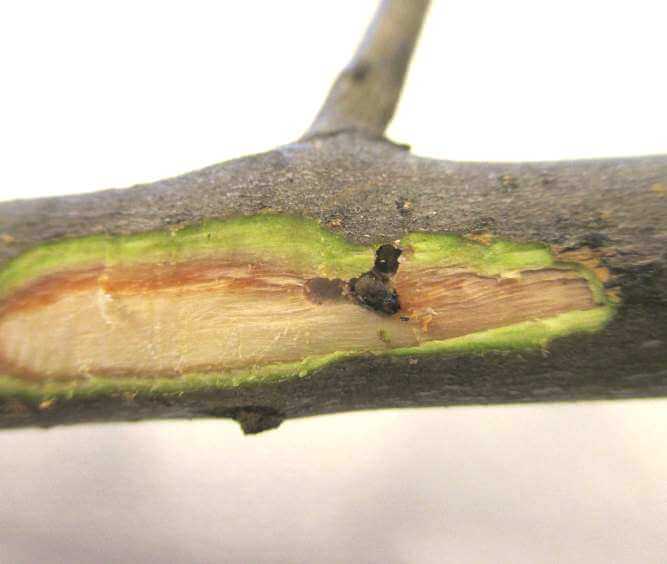
The apricot borer or borer, whose scientific name is Ruguloscolytus amygdali (previously known as Mortoniodendron anisophyllum), is an insect of the family Curculionidae that affects apricot trees. Its life cycle begins when the adult female lays eggs in the bark of apricot trees. The larvae emerge from the eggs and feed on the wood, creating characteristically sinuous galleries. After completing their larval development, the larvae pupate within the galleries and eventually emerge as adults, thus restarting the cycle.
SYMPTOMS
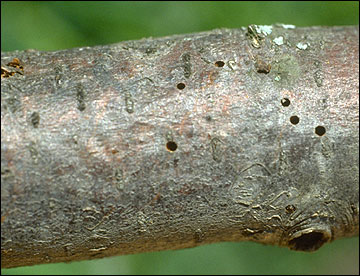
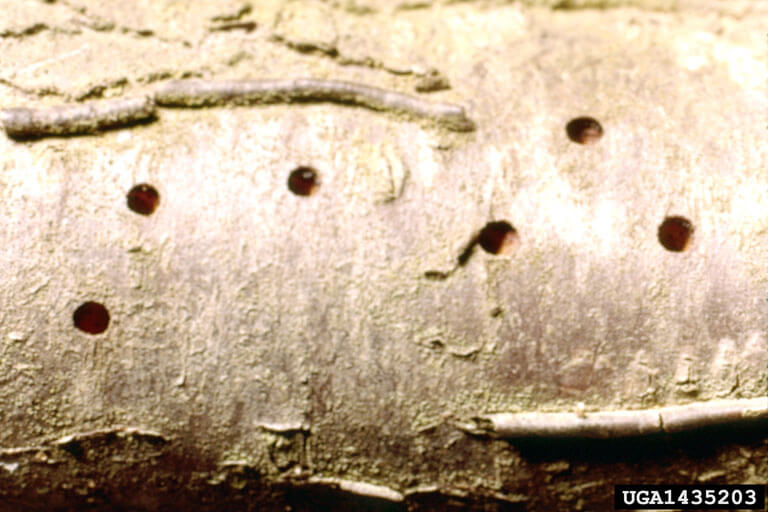
Borer or borer infestation in apricot trees causes significant damage to the trees' vascular system, leading to decreased vigor, wilting, and eventual death of branches and the entire tree. General symptoms include the presence of exit holes in the bark, resin exudation, wilting of leaves and general deterioration in growth.
- Exit holes in the bark
- Exudation of resin on the surface of the bark
- Leaf wilting
- Deterioration of tree growth and vigor
- Death of branches and the entire tree


TEMPERATURE AND HUMIDITY
20-30°C
50-70%

HOW IS IT SPREAD?
Movement of adults, Natural dispersal of larvae, Transport of infested plant material

HOW TO REMOVE IT?
Home remedies
There are no home treatments
Chemical treatments
• DELTAMETHRIN 2.5% [EC] P/V
• LAMBDA CYHALOTHRIN 10% [CS] P/V
Treatments allowed in organic farming
• LAMBDA CYHALOTHRIN 10% [CS] P/V
Insect allies
PREDATORY MITES
LADYBUGS
LACEWINGS
PARASITIC WASPS
HOVERFLIES OR PARASITIC FLIES
PREDATORY BUGS
There are no natural allies
Mycodiplosis oidii (predatory mosquito)
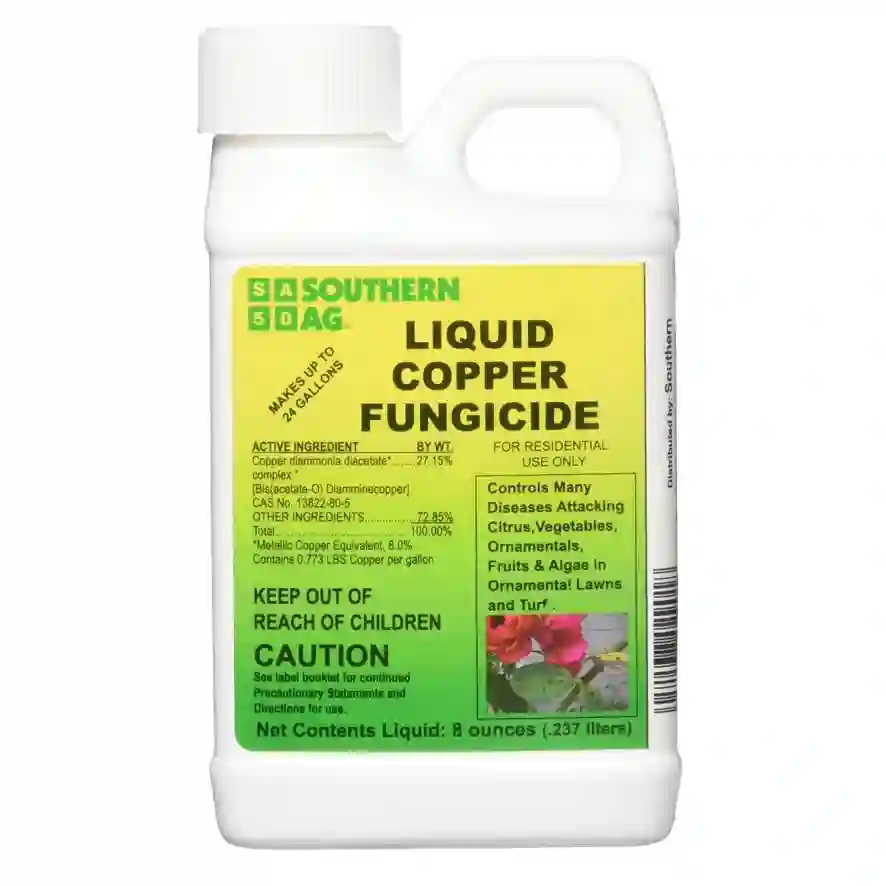
EFFECTIVE PRODUCTS TO ELIMINATE THIS DISEASE



- Maintain the overall health of trees by applying proper management practices such as balanced fertilization and proper irrigation.
- Carry out sanitary pruning to eliminate affected branches and reduce the population of borers.
- Regularly monitor trees to detect the early presence of borers and take preventive control measures.
- Apply specific insecticidal treatments at strategic moments in the borer's life cycle, following integrated pest management recommendations.
- Implement physical methods, such as capturing adults with pheromone traps, to reduce the borer population.
- Encourage the presence of natural enemies of borers, such as parasitoid wasps, to control their population naturally.
Recommendations



Explore more tools
Services
Contact
Legal
©2023 por ZeriMar Laboratoire. Todos los derechos reservados.