

Micosis/Hongos
Phomopsis
Phomopsis Prunorum / Diaporthe Eres / Phomopsis Mali
Pathogen:
Fungus
Type:
Risk to the plant:
HIGH


DESCRIPTION
WHO CAUSES IT?
Phomopsis prunorum, Diaporthe estars and Phomopsis mali are fungal pathogens responsible for the disease known as Phomopsis in pome fruit trees. These fungi survive the winter in the form of pycnidia in dead or infected plant tissues, such as branches and pruning remains. In spring, when humidity and temperature conditions are suitable, pycnidia release spores (conidia) that are dispersed by rainwater or wind. Conidia germinate on the surface of wounds or natural openings of the plant, rapidly colonizing the tissues and producing mycelium that invades the bark and cambium. During the growing season, the fungus continues to produce pycnidia and conidia, facilitating the spread of the infection. In autumn, the activity of the fungus decreases, preparing for the next season.
SYMPTOMS
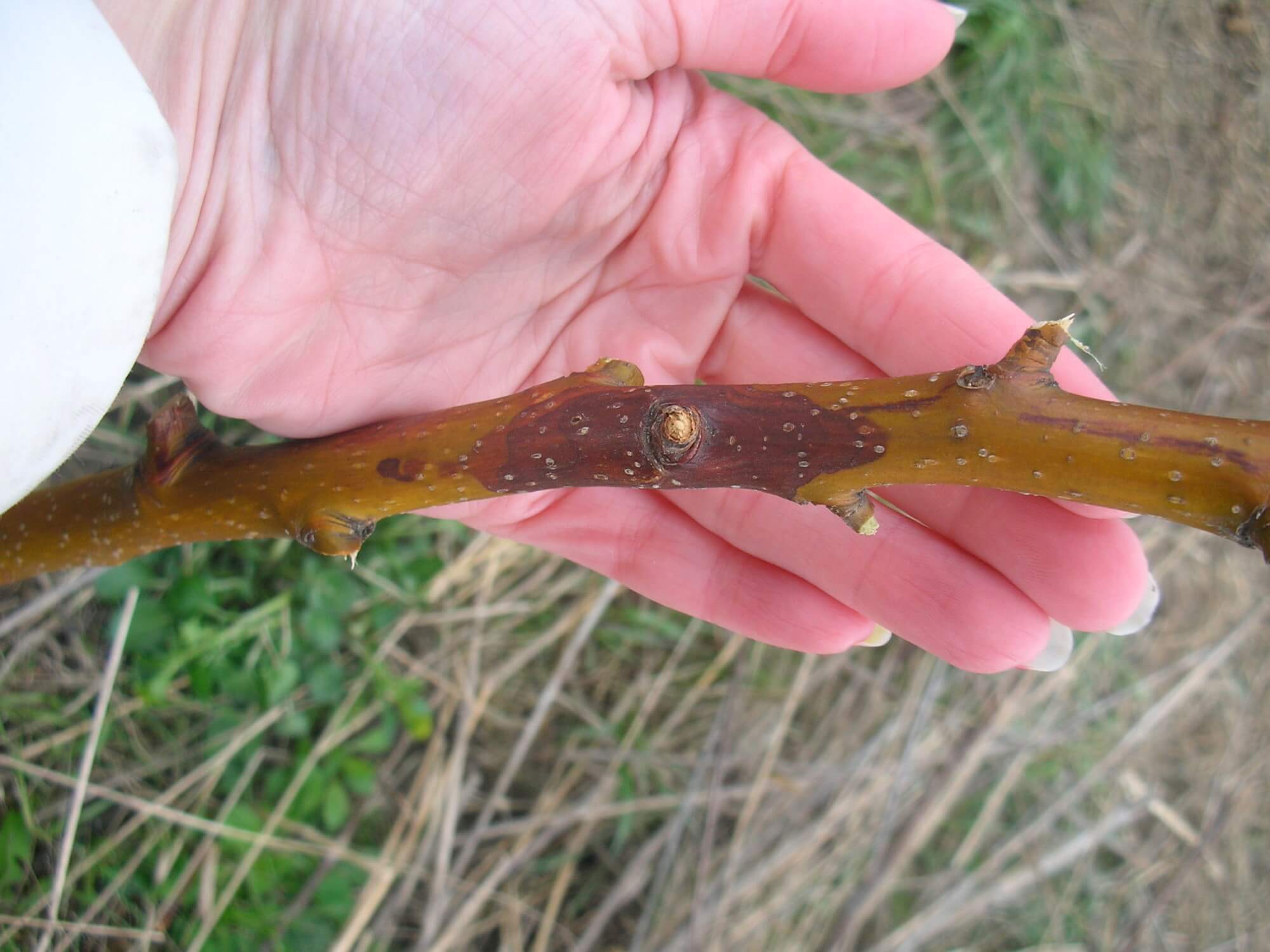
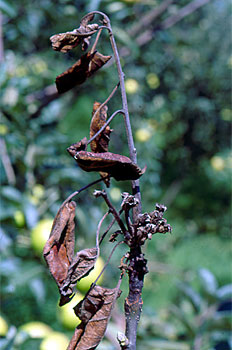
Phomopsis disease affects pome fruit trees, causing significant lesions on branches, leaves and fruits, compromising the vitality of the trees and the quality of the harvest.
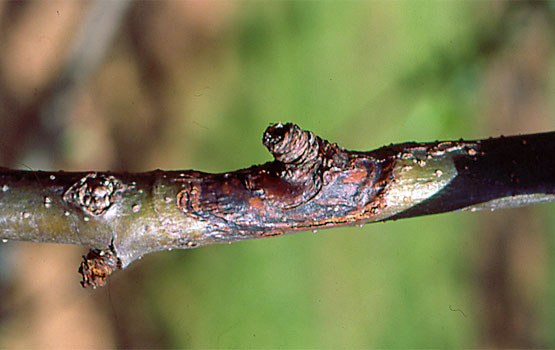
- Cankers on branches and stems, which can exude a gum.
- Regressive death of branches and young shoots.
- Dark and depressed Taches on the bark.
- Leaves with necrosis and premature fall.
- Fruits with dark, sunken and dry Taches.
- Reduction in the general vigor of the tree.


TEMPERATURE AND HUMIDITY
20-25 °C
70-90 %

HOW IS IT SPREAD?
Spores dispersed by rainwater, wind, contaminated pruning tools, direct contact with infected tissues

HOW TO REMOVE IT?
Home remedies
There are no home treatments
Chemical treatments
• COPPER OXYCHLORIDE 35% (exp. in Cu) [WG] P/P
• COPPER OXYCHLORIDE 38% (EXPR. IN CU) [SC] P/V
• COPPER OXYCHLORIDE 50% (EXPR. IN CU) [WP] P/P
Treatments allowed in organic farming
• COPPER OXYCHLORIDE 35% (exp. in Cu) [WG] P/P
• COPPER OXYCHLORIDE 38% (EXPR. IN CU) [SC] P/V
• COPPER OXYCHLORIDE 50% (EXPR. IN CU) [WP] P/P
Insect allies
PREDATORY MITES
LADYBUGS
LACEWINGS
PARASITIC WASPS
HOVERFLIES OR PARASITIC FLIES
PREDATORY BUGS
There are no natural allies
Mycodiplosis oidii (predatory mosquito)
EFFECTIVE PRODUCTS TO ELIMINATE THIS DISEASE
Sponsored link
Sponsored link


Sponsored link
Sponsored link
Sponsored link


Sponsored link
Sponsored link
Effective against all types of fungi

Sponsored link


Sponsored link
Sponsored link

Sponsored link


Sponsored link
- Carry out sanitary pruning to eliminate and destroy infected branches and shoots, thus reducing the source of inoculum.
- Apply protective fungicides before the rainy season and during critical infection periods.
- Avoid injuries to trees during cultural work, and disinfect pruning tools.
- Improve ventilation and drainage of the garden to reduce humidity around the plants.
- Regularly monitor the orchard to detect disease symptoms early and act quickly.
- Use varieties of pome fruit trees that are resistant or tolerant to Phomopsis.
- Implement an integrated pest management (IPM) program that includes rotation of fungicides with different modes of action.
- Remove and destroy infected plant remains from the garden to prevent the spread of the fungus.
Recommendations

Enjoy idMicrobe TOTALLY FREE, with no trial periods.


