


Escamas
San Jose scale: what it is, how it originates, and how to eliminate it effectively.
St. Joseph'S Louse
Quadraspidiotus Perniciosus
Pathogen:
Insect
Type:
Risk to the plant:
HIGH

DESCRIPTION
WHO CAUSES IT?
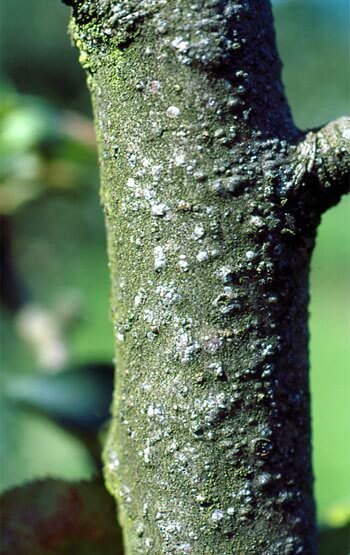
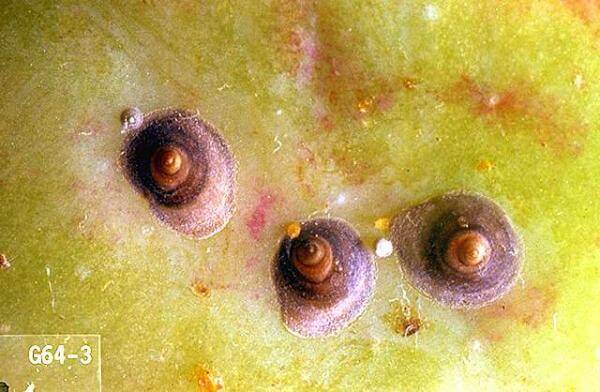
Quadraspidiotus perniciosus, commonly known as the St. Joseph's Louse, is a hemipteran insect of the family Diaspididae. This pathogen is a pest that affects a wide variety of fruit trees, including pear trees. Adult females are circular in shape and grayish in color, while males are winged and smaller in size. The adult female can produce up to 400 eggs, which hatch into nymphs called "crawlers." These nymphs disperse and adhere to the bark, branches and fruits of the pear tree, where they begin to feed on the sap. In doing so, they secrete a protective waxy coating. Quadraspidiotus perniciosus goes through several nymphal stages before becoming an adult. This life cycle can repeat itself several times a year, especially in warm climates, contributing to its rapid spread and increased pest population.
SYMPTOMS
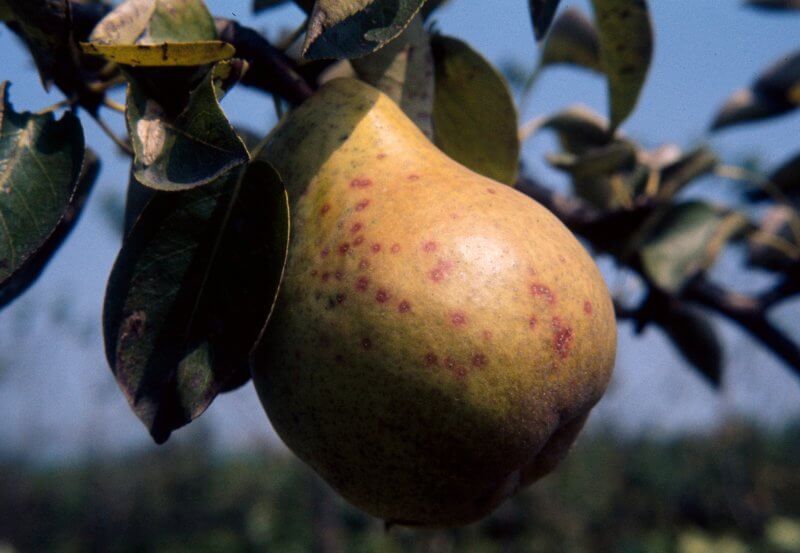
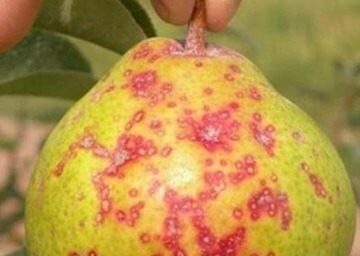
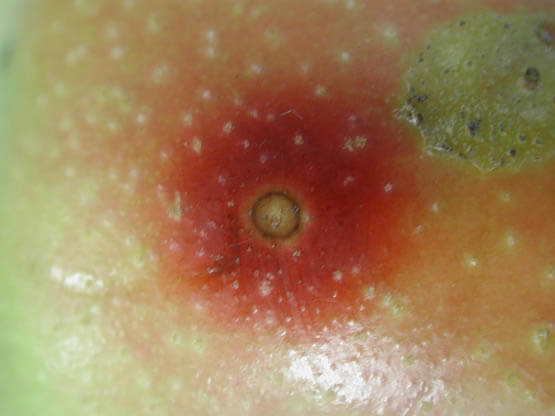
In the pear tree, the San José Louse causes significant damage to both the bark and the fruits. Feeding by nymphs and adults weakens the tree, reduces fruit production and can cause the death of branches and, in severe cases, the entire tree. Affected fruits develop red Taches around feeding sites, which decreases their quality and commercial value. Severe infestation can lead to defoliation and reduced resistance of the tree to other diseases and adverse environmental conditions.
- General weakening of the tree
- Reduction in fruit production
- Death of branches
- Red Taches on the fruits
- Defoliation
- Lower resistance to other diseases and adverse conditions

TEMPERATURE AND HUMIDITY
15-30°C
60-90%

HOW IS IT SPREAD?
Direct contact between plants, Wind, Infected plant material, Contaminated tools, Insect vectors, Movement of infested plants

HOW TO REMOVE IT?
Home remedies
There are no home treatments
Chemical treatments
• RAPE OIL 1.53% [AL] P/V
• RAPE OIL 848.24 g/l [EC] P/V
• PARAFFIN OIL (CAS [8042-47-5]) 83% [EC] P/V
• PARAFFIN OIL (CAS [97862-82-3]) 40% [EW] P/V
• PARAFFIN OIL (CAS [97862-82-3]) 80% [EC] P/V
• DELTAMETHRIN 1.57% [SC] P/V
• DELTAMETHRIN 2.5% [EC] P/V
• DELTAMETHRIN 2.5% [EW] P/V
• PYRIPROXIFEN 10% [EC] P/V
• Quadraspidiotus perniciosus (Pheromone)
• POTASSIUM SALTS OF FATTY ACIDS C14-C20 48% [EW] P/V
Treatments allowed in organic farming
• RAPE OIL 1.53% [AL] P/V
• RAPE OIL 848.24 g/l [EC] P/V
• PARAFFIN OIL (CAS [8042-47-5]) 83% [EC] P/V
• PARAFFIN OIL (CAS [97862-82-3]) 40% [EW] P/V
• PARAFFIN OIL (CAS [97862-82-3]) 80% [EC] P/V
• Quadraspidiotus perniciosus (Pheromone)
• POTASSIUM SALTS OF FATTY ACIDS C14-C20 48% [EW] P/V
Insect allies
PREDATORY MITES
LADYBUGS
LACEWINGS
PARASITIC WASPS
HOVERFLIES OR PARASITIC FLIES
PREDATORY BUGS
There are no natural allies
Mycodiplosis oidii (predatory mosquito)
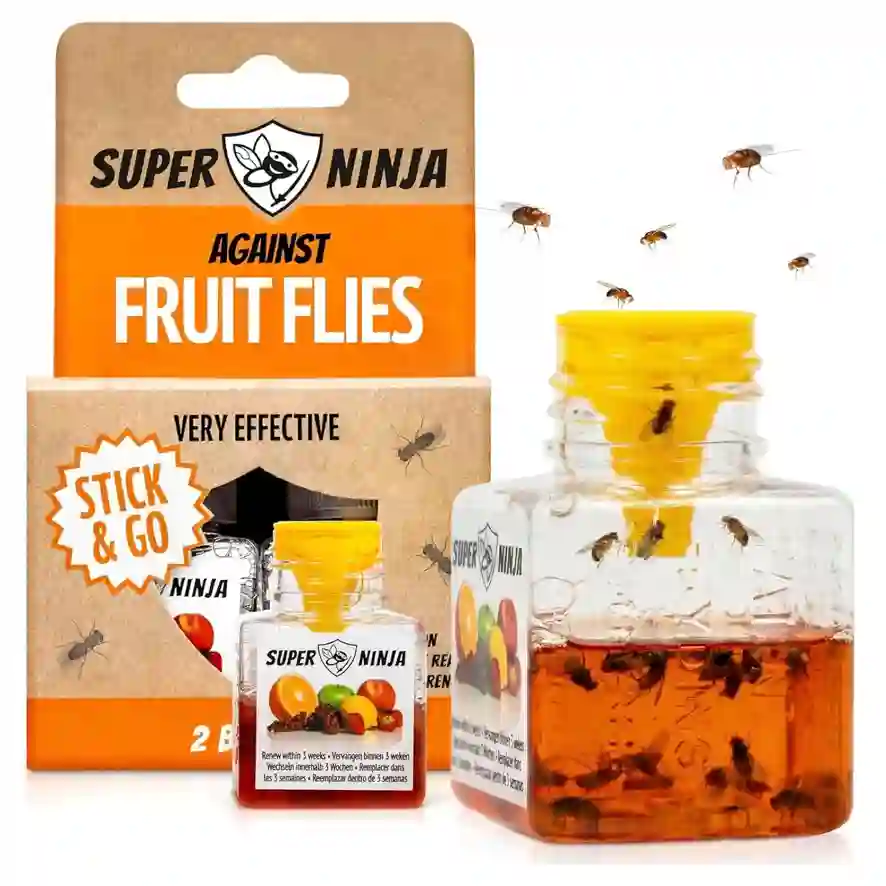
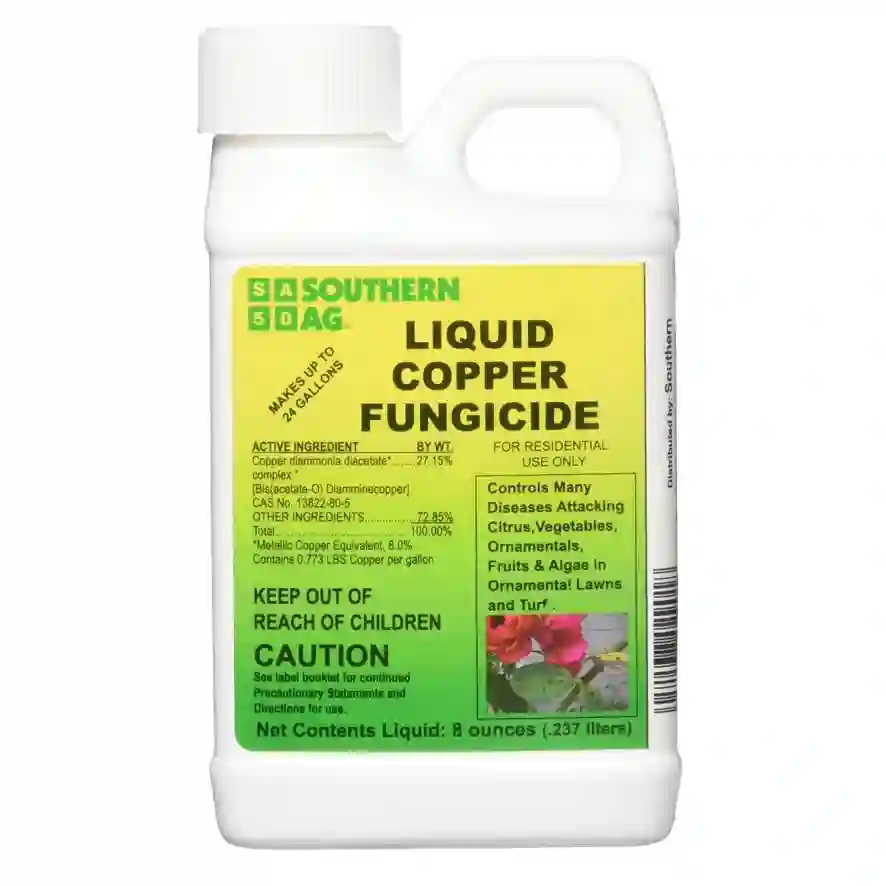
EFFECTIVE PRODUCTS TO ELIMINATE THIS DISEASE



- Carry out regular inspections of the pear tree to detect early signs of infestation.
- Implement a biological control program using natural enemies of the louse, such as parasitoids and specific predators.
- Apply horticultural oils during the tree's dormant period to suffocate nymphs and adults.
- Use specific insecticides according to technical recommendations, ensuring product rotation to avoid resistance.
- Prune and destroy infested branches to reduce the pest population.
- Maintain good garden hygiene, eliminating plant debris and fallen fruits that may harbor the louse.
- Monitor the climate and adjust management practices according to the conditions that favor the development of the pest.
- Educate field personnel on the identification and management of the San José Louse to ensure effective detection and control.
Recommendations



Explore more tools
Services
Contact
Legal
©2023 por ZeriMar Laboratoire. Todos los derechos reservados.