

Polillas
Moth
Scrobipalpa Ocellatella
Pathogen:
Insect
Type:
Risk to the plant:
HIGH

DESCRIPTION
WHO CAUSES IT?
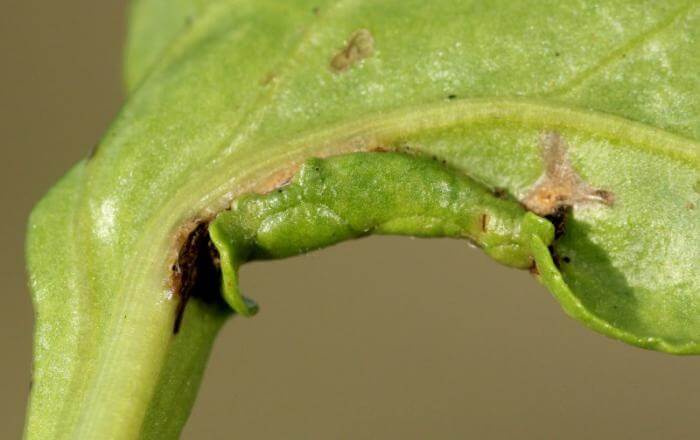
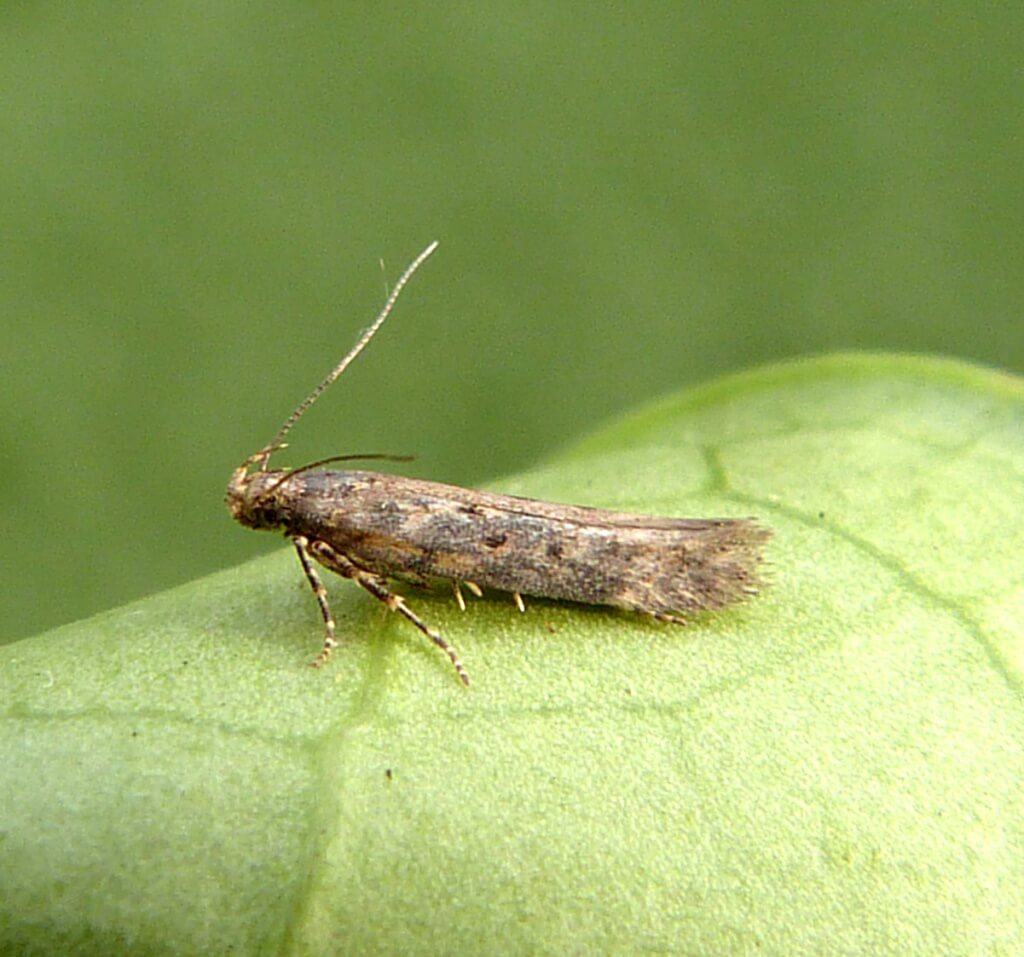
Scrobipalpa ocellatella, known as the beet moth, is a lepidopteran of the Gelechiidae family. Adults are small, grayish-brown moths with a wingspan of 10-15 mm and have dark spot patterns on their wings. Females lay their eggs on beet leaves, preferably in young, tender areas. Upon hatching, the yellowish-white larvae with dark heads begin to feed on leaf tissue, undermining the leaves and causing significant damage. The larvae go through several larval stages, increasing in size and changing color to green before pupating. Pupation occurs on the leaf or in the soil near the host plant. The entire cycle, from egg to adult, can be completed in about a month, and the moth can have multiple generations per year, especially in warm climates.
SYMPTOMS
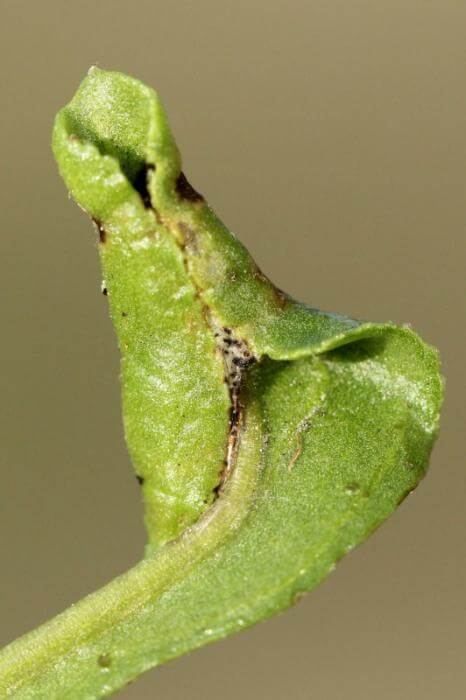
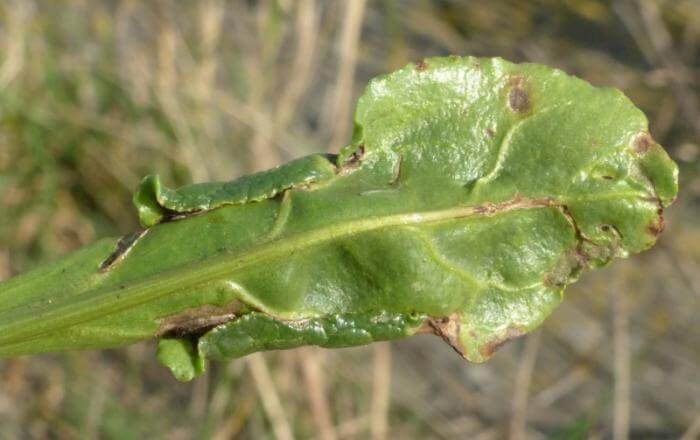
The disease caused by Scrobipalpa ocellatella in beet manifests mainly on the leaves, where the larvae cause significant damage by feeding on leaf tissue. This results in a decrease in the photosynthetic capacity of the plant and affects its growth and yield.
- Mines and tunnels in the leaves
- Dried and rolled leaves
- Brown or necrotic Taches
- Delay in plant growth
- General loss of vigor
- Reduction in root size and quality
- Severe defoliation in cases of high infestations


TEMPERATURE AND HUMIDITY
20°C - 30°C
50% - 70%

HOW IS IT SPREAD?
Wind, Soil movements, Contaminated agricultural machinery, Infested plants

HOW TO REMOVE IT?
Home remedies
There are no home treatments
Chemical treatments
• Azadirachtin 2.6% (AS AZADIRACTIN A) [EC] P/V
Treatments allowed in organic farming
• Azadirachtin 2.6% (AS AZADIRACTIN A) [EC] P/V
Insect allies
PREDATORY MITES
LADYBUGS
LACEWINGS
PARASITIC WASPS
HOVERFLIES OR PARASITIC FLIES
PREDATORY BUGS
There are no natural allies
Mycodiplosis oidii (predatory mosquito)
EFFECTIVE PRODUCTS TO ELIMINATE THIS DISEASE
Sponsored link
Sponsored link
Sponsored link


Sponsored link
Sponsored link
Sponsored link
Sponsored link


Sponsored link
Sponsored link
Effective against all types of fungi

Sponsored link
Sponsored link


Sponsored link
Sponsored link

Sponsored link
Sponsored link


Sponsored link
- Regularly monitor crops to detect the presence of adults and larvae.
- Use pheromone traps to capture and monitor the adult moth population.
- Implement crop rotations to interrupt the life cycle of the moth.
- Maintain good field hygiene by eliminating residue from previous crops and weeds.
- Apply insecticide treatments in a timely manner, following integrated pest management recommendations.
- Promote the presence of natural enemies such as parasitoid wasps and predators.
- Use ground covers and netting to protect young plants.
- Avoid excessive irrigation to reduce soil moisture, which can reduce the survival of pupae.
- Implement tillage practices that expose and destroy pupae in the soil.
- Evaluate and use beet cultivars that present resistance to Scrobipalpa ocellatella, if available.
Recommendations

Enjoy idMicrobe TOTALLY FREE, with no trial periods.


