

Pulgones
Aphids
Aphis Spiraecola, Aphis Gossypii, Aphis Pomi, Dysaphis Plantaginea, Dysaphis Pyri
Pathogen:
Insect
Type:
Risk to the plant:
HIGH
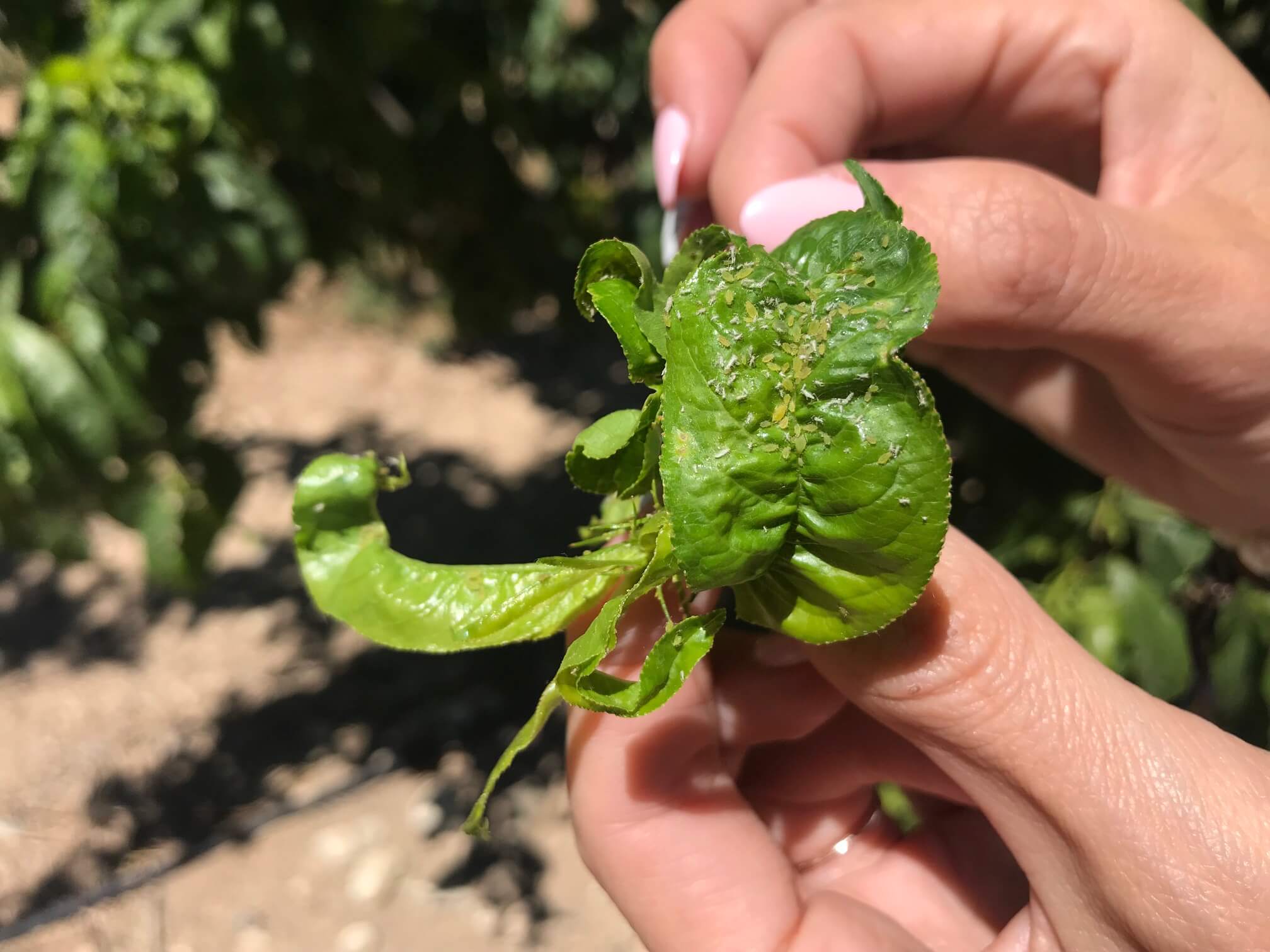
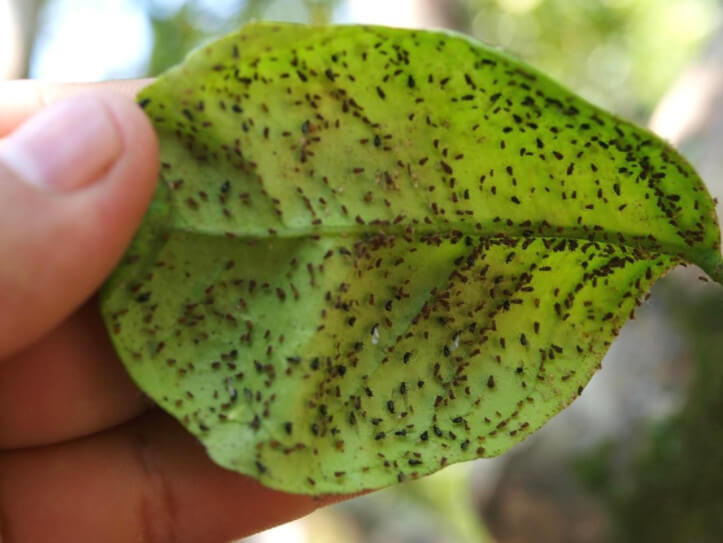

DESCRIPTION
WHO CAUSES IT?
Aphids, including Aphis spiraecola, Aphis gossypii, Aphis pomi, Dysaphis plantaginea and Dysaphis pyri, are small insects that reproduce quickly on pome fruit trees. Aphids overwinter as eggs on the bark of trees or fallen leaves. In spring, the eggs hatch and the nymphs emerge, quickly developing into adults. These insects are parthenogenetic, meaning that females can reproduce without the need for males, producing live offspring instead of eggs, which accelerates their expansion. During the summer, successive generations may include both winged individuals and wingless aphids, the former of which may disperse to new host plants. In late summer and fall, aphids produce sexual males and females that mate and lay eggs for the winter, thus completing their annual development.
SYMPTOMS
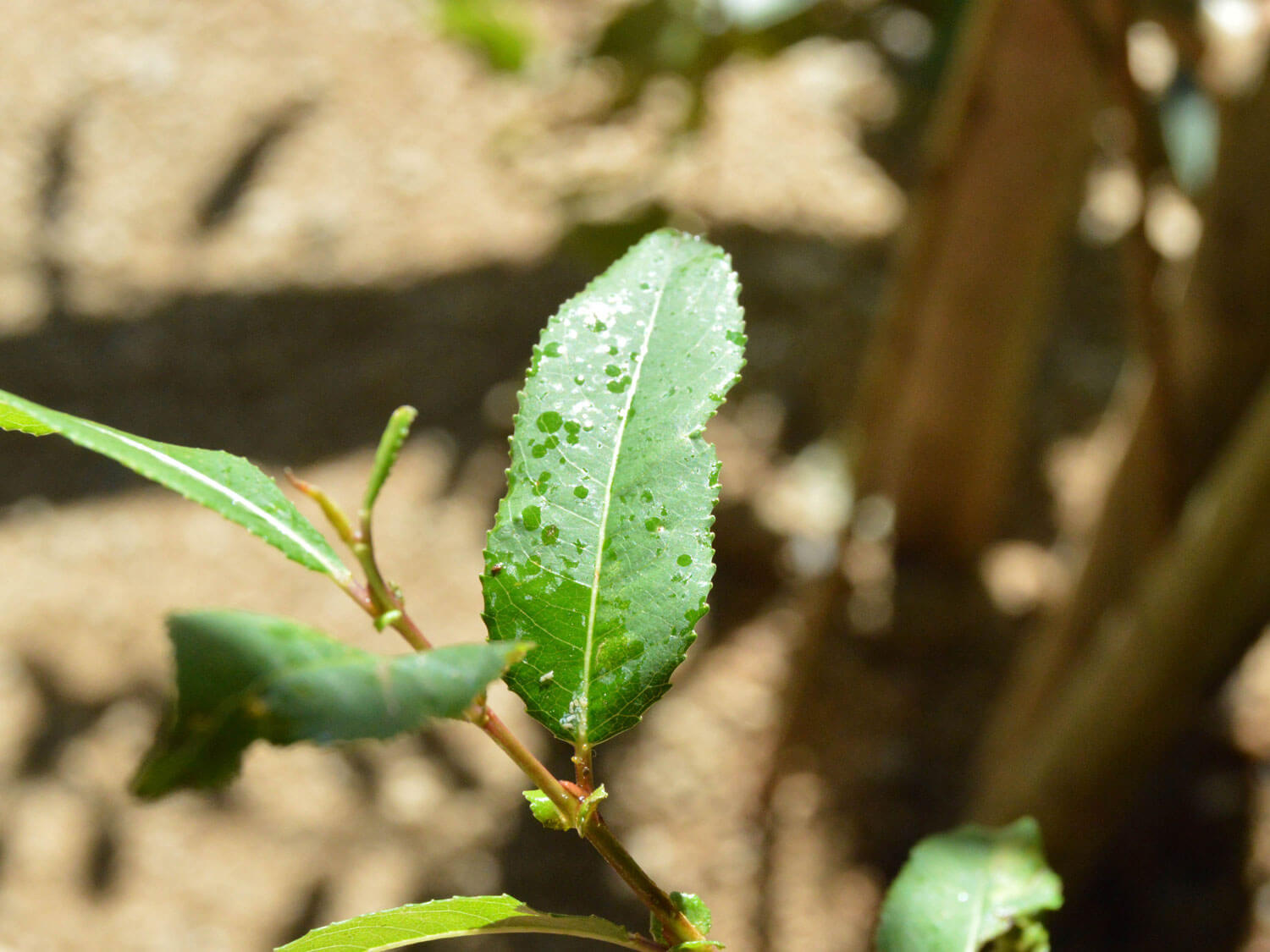
In pome fruit trees, aphids cause a disease known as "aphids", which seriously affects the vitality and production of the plants. These insects feed on the sap of plants, weakening them and causing a series of symptoms that can reduce the quality and quantity of the harvest. The secretion of honeydew by aphids encourages the development of black sooty mold fungi, further complicating the health status of the trees.
- Curling and deformation of the leaves.
- Yellowing and premature leaf fall.
- Delay in the growth of shoots and fruits.
- Presence of a sticky substance (molasses) on leaves and fruits.
- Development of sooty mold fungi on molasses.
- General weakening of trees.
- Reduction in the production and quality of the fruits.
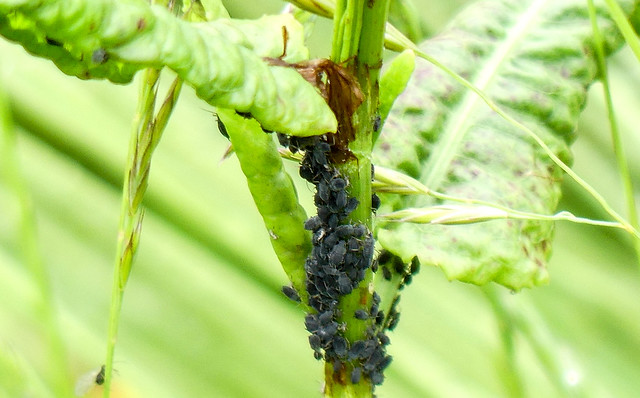
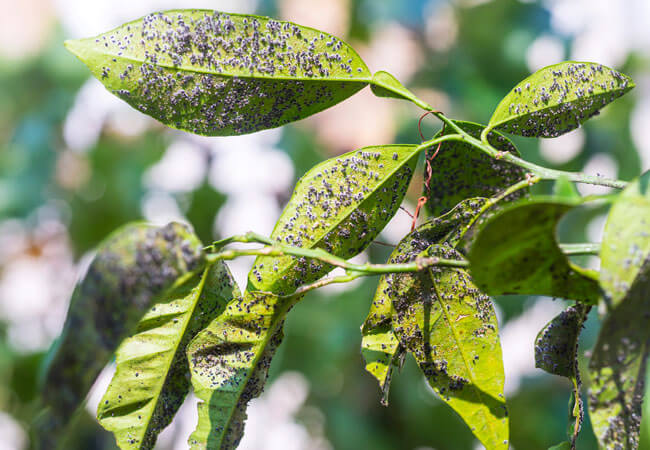

TEMPERATURE AND HUMIDITY
15°C - 25°C
65% - 80%

HOW IS IT SPREAD?
Wind, Direct contact between plants, Contaminated tools, Movements of infested plants

HOW TO REMOVE IT?
Home remedies
There are no home treatments
Chemical treatments
• RAPE OIL 1.53% [AL] P/V
• PARAFFIN OIL (CAS [64742-46-7]) 79% [EC] P/V
• PARAFFIN OIL (CAS [64742-46-7]) 80% [EC] P/V
• PARAFFIN OIL (CAS [8042-47-5]) 54.6% [EW] P/V
• PARAFFIN OIL (CAS [8042-47-5]) 79% [EC] P/V
• PARAFFIN OIL (CAS [8042-47-5]) 83% [EC] P/V
• PARAFFIN OIL 83% [EC] P/V
• ACETAMIPRID 20% [SG] P/P
• ACETAMIPRID 20% [SL] P/V
• ACETAMIPRID 20% [SP] P/P
• CYPERMETHRIN 10% [EC] P/V
• DELTAMETHRIN 2.5% [EC] P/V
• ESFENVALERATE 2.5% [EC] P/V
• ESFENVALERATO 5% [EW] P/V
• LAMBDA CYHALOTHRIN 1.5% [CS] P/V
• LAMBDA CYHALOTHRIN 10% [CS] P/V
• LAMBDA CYHALOTHRIN 2.5% [WG] P/P
• Pyrethrins 12.9 g/l [EC] P/V
• PYRETHRINS 4.65% (as pyrethrum extract) [EC] P/V
• POTASSIUM SALTS OF FATTY ACIDS C14-C20 48% [EW] P/V
• TAU-FLUVALINATE 24% [EW] P/V
• ADHESIVE TRAP
• CHROMATIC TRAP
Treatments allowed in organic farming
• RAPE OIL 1.53% [AL] P/V
• PARAFFIN OIL (CAS [64742-46-7]) 79% [EC] P/V
• PARAFFIN OIL (CAS [64742-46-7]) 80% [EC] P/V
• PARAFFIN OIL (CAS [8042-47-5]) 54.6% [EW] P/V
• PARAFFIN OIL (CAS [8042-47-5]) 79% [EC] P/V
• PARAFFIN OIL (CAS [8042-47-5]) 83% [EC] P/V
• PARAFFIN OIL 83% [EC] P/V
• LAMBDA CYHALOTHRIN 1.5% [CS] P/V
• LAMBDA CYHALOTHRIN 10% [CS] P/V
• LAMBDA CYHALOTHRIN 2.5% [WG] P/P
• Pyrethrins 12.9 g/l [EC] P/V
• PYRETHRINS 4.65% (as pyrethrum extract) [EC] P/V
• POTASSIUM SALTS OF FATTY ACIDS C14-C20 48% [EW] P/V
• ADHESIVE TRAP
• CHROMATIC TRAP
Insect allies
PREDATORY MITES
LADYBUGS
LACEWINGS
PARASITIC WASPS
HOVERFLIES OR PARASITIC FLIES
PREDATORY BUGS
There are no natural allies
Mycodiplosis oidii (predatory mosquito)
EFFECTIVE PRODUCTS TO ELIMINATE THIS DISEASE
Sponsored link

Sponsored link


Sponsored link
Sponsored link
Sponsored link


Sponsored link
Sponsored link
Effective against all types of fungi

Sponsored link


Sponsored link
Sponsored link

Sponsored link


Sponsored link
- Implement crop rotations and avoid monoculture to reduce pest pressure.
- Regularly monitor trees to detect the presence of aphids early.
- Promote the presence of natural enemies such as ladybugs and lacewings, which are predators of aphids.
- Use yellow sticky traps to capture winged aphids and monitor their population.
- Carry out appropriate pruning to improve air circulation and reduce refuge sites for aphids.
- Apply insecticidal soaps and horticultural oils that are less toxic and effective against aphids.
- In cases of severe infestations, resort to systemic insecticides, making sure to rotate the products to avoid resistance.
- Keep trees well nourished and watered, since healthy plants are less susceptible to pests.
Recommendations

Enjoy idMicrobe TOTALLY FREE, with no trial periods.


