

Pulgones
Aphid
Aphis Craccivora, A. Gossyppi, Macrosiphum Euphorbiae, Myzus Persicae.
Pathogen:
Insect
Type:
Risk to the plant:
HIGH
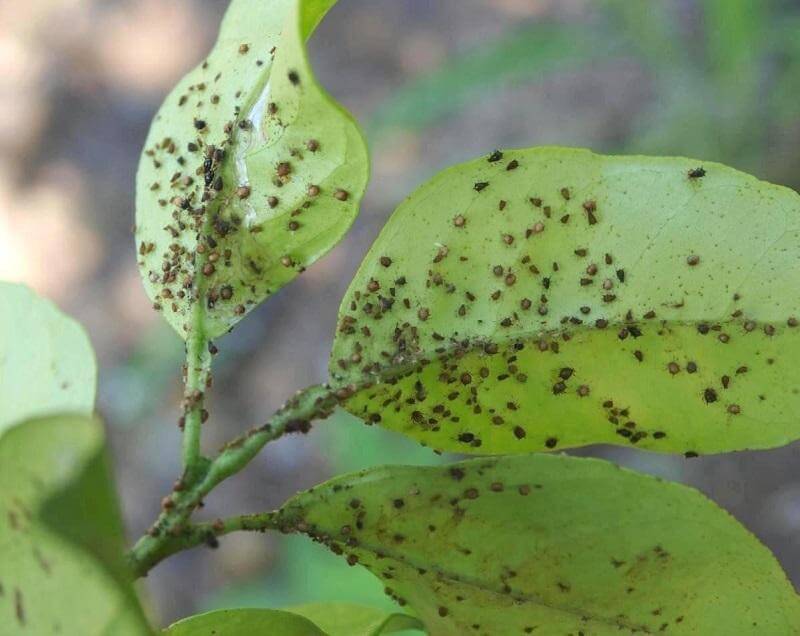
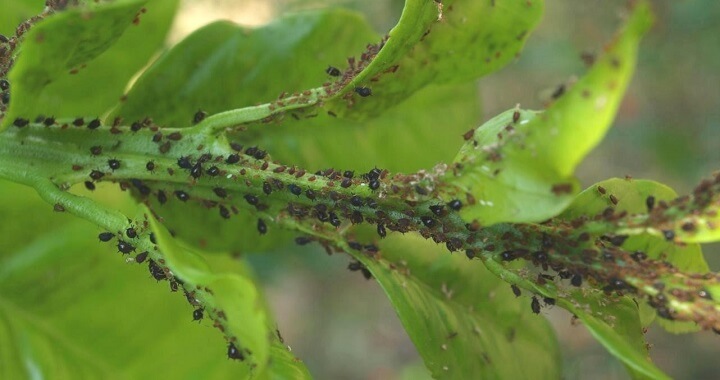

DESCRIPTION
WHO CAUSES IT?
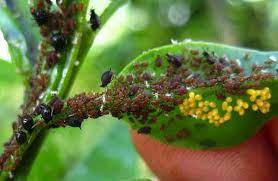
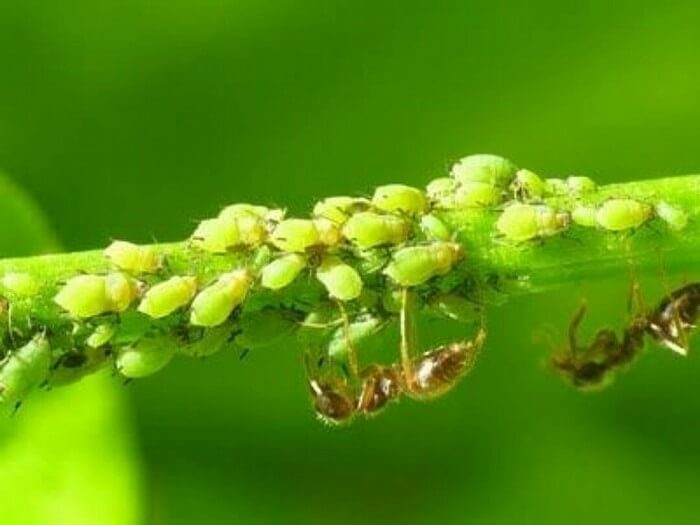
Aphis craccivora, A. gossypii, Macrosiphum euphorbiae and Myzus persicae are species of aphids that attack quinoa. These aphids are small, soft-bodied insects that range in color from green to black. They reproduce quickly, as females can give birth to live young without having to mate (parthenogenesis). Under favorable conditions, a single female can produce hundreds of offspring in a few weeks. Aphids go through several nymphal stages before becoming adults. During all these phases, they feed by sucking plant sap with their mouth stylets. In addition to sucking sap, aphids excrete a sticky substance called honeydew, which can attract sooty fungi, further affecting plant health. Aphids can also be vectors of viral diseases, increasing damage to crops.
SYMPTOMS
The infestation of quinoa by Aphis craccivora, A. gossypii, Macrosiphum euphorbiae and Myzus persicae causes the disease known as aphid, characterized by a series of symptoms that deteriorate the health and productivity of the plants. Aphids, when feeding, weaken the plant and promote the appearance of other secondary problems.
- Rolled and deformed leaves.
- Yellowing and premature leaf fall.
- Delayed plant growth.
- Presence of necrotic Taches on leaves and stems.
- Production of molasses, which induces the growth of black mold.
- Decrease in the quality and quantity of panicles.
- Transmission of viral diseases.
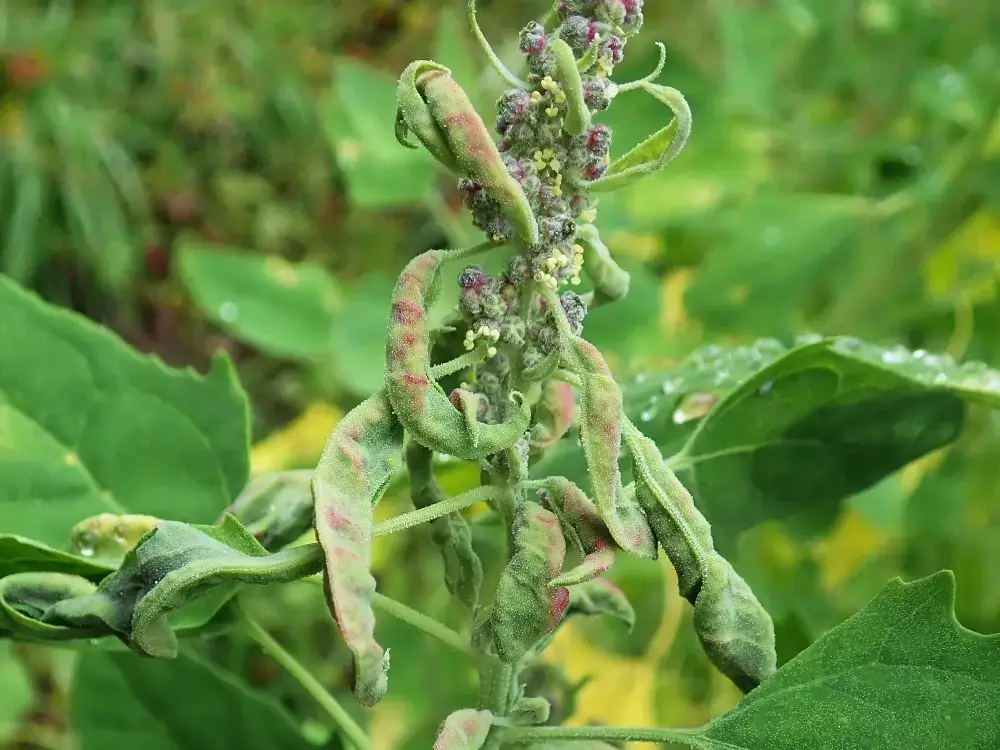

TEMPERATURE AND HUMIDITY
18-25°C
60-80%

HOW IS IT SPREAD?
Insect movement, Wind, Contaminated tools, Infested plant material, Direct contact between plants

HOW TO REMOVE IT?
Home remedies
There are no home treatments
Chemical treatments
• RAPE OIL 1.53% [AL] P/V
• PARAFFIN OIL (CAS [64742-46-7]) 79% [EC] P/V
• PARAFFIN OIL (CAS [8042-47-5]) 54.6% [EW] P/V
• AZADIRACTIN 1% (AS AZADIRACTIN A) [EC] P/V
• Azadirachtin 2.6% (AS AZADIRACTIN A) [EC] P/V
• SULFUR 40% + CYPERMETHRIN 0.5% [DP] P/P
• CYPERMETHRIN 10% [EC] P/V
• CYPERMETHRIN 10% [EW] P/V
• CYPERMETHRIN 50% [EC] P/V
• DELTAMETHRIN 1.57% [SC] P/V
• DELTAMETHRIN 10% [EC] P/V
• DELTAMETHRIN 2.5% [EC] P/V
• DELTAMETHRIN 2.5% [EW] P/V
• ESFENVALERATE 2.5% [EC] P/V
• ESFENVALERATE 5% [EC] P/V
• ESFENVALERATO 5% [EW] P/V
• LAMBDA CYHALOTHRIN 1.5% [CS] P/V
• LAMBDA CYHALOTHRIN 10% [CS] P/V
• LAMBDA CYHALOTHRIN 10% [EC] P/V
• LAMBDA CYHALOTHRIN 2.5% [WG] P/P
• LAMBDA CYHALOTHRIN 5% [EG] P/P
• PYRETHRINS 1.9% [EC] P/V
• Pyrethrins 12.9 g/l [EC] P/V
• PYRETHRINS 2% (PYRETHRE EXTR.) [EC] P/V
• PYRETHRINS 2% [EC] P/V
• PYRETHRINS 4.65% (as pyrethrum extract) [EC] P/V
• PYRETHRINS 4% (PYRETHHRINE EXTR.) [EC] P/V
• PYRETHRINS 4% [EC] P/V
• PYRETHRINS 5% [SC] P/V
• POTASSIUM SALTS OF FATTY ACIDS C14-C20 48% [EW] P/V
• TAU-FLUVALINATE 24% [EW] P/V
Treatments allowed in organic farming
• RAPE OIL 1.53% [AL] P/V
• PARAFFIN OIL (CAS [64742-46-7]) 79% [EC] P/V
• PARAFFIN OIL (CAS [8042-47-5]) 54.6% [EW] P/V
• AZADIRACTIN 1% (AS AZADIRACTIN A) [EC] P/V
• Azadirachtin 2.6% (AS AZADIRACTIN A) [EC] P/V
• LAMBDA CYHALOTHRIN 1.5% [CS] P/V
• LAMBDA CYHALOTHRIN 10% [CS] P/V
• LAMBDA CYHALOTHRIN 10% [EC] P/V
• LAMBDA CYHALOTHRIN 2.5% [WG] P/P
• LAMBDA CYHALOTHRIN 5% [EG] P/P
• PYRETHRINS 1.9% [EC] P/V
• Pyrethrins 12.9 g/l [EC] P/V
• PYRETHRINS 2% (PYRETHRE EXTR.) [EC] P/V
• PYRETHRINS 2% [EC] P/V
• PYRETHRINS 4.65% (as pyrethrum extract) [EC] P/V
• PYRETHRINS 4% (PYRETHHRINE EXTR.) [EC] P/V
• PYRETHRINS 4% [EC] P/V
• PYRETHRINS 5% [SC] P/V
• POTASSIUM SALTS OF FATTY ACIDS C14-C20 48% [EW] P/V
Insect allies
PREDATORY MITES
LADYBUGS
LACEWINGS
PARASITIC WASPS
HOVERFLIES OR PARASITIC FLIES
PREDATORY BUGS
There are no natural allies
Mycodiplosis oidii (predatory mosquito)
EFFECTIVE PRODUCTS TO ELIMINATE THIS DISEASE
Sponsored link

Sponsored link


Sponsored link
Sponsored link
Sponsored link


Sponsored link
Sponsored link
Effective against all types of fungi

Sponsored link


Sponsored link
Sponsored link

Sponsored link


Sponsored link
- Regularly monitor the crop to detect the early presence of aphids.
- Use yellow chromatic traps to capture adults and monitor populations.
- Introduce and encourage natural enemies such as ladybugs, lacewings and parasitoid wasps.
- Apply mineral oils or insecticidal soaps to suffocate aphids.
- Implement crop rotation to interrupt the life cycle of aphids.
- Maintain adequate nutrition and irrigation of plants to increase their natural resistance.
- Carry out sanitation pruning to eliminate infested parts of the plant.
- Apply specific insecticides following technical recommendations and rotating modes of action to avoid resistance.
- Promote cultural practices that reduce excessive humidity and plant stress.
Recommendations

Enjoy idMicrobe TOTALLY FREE, with no trial periods.


