

Verticilosis
Verticillium wilt or olive wilt: what it is, how it occurs, and how to eliminate it effectively
Verticillosis Or Dry Olive Tree
Verticillium Dahliae
Pathogen:
Fungus
Type:
Risk to the plant:
CRITICAL

DESCRIPTION
WHO CAUSES IT?
Verticillium dahliae is a phytopathogenic fungus that causes the disease known as verticillosis or olive dry disease. The fungus can survive in soil and the remains of infected plants for years. It produces resistance structures called microsclerotia, which can remain viable in the soil for long periods of time. These microsclerotia germinate in the roots of the plants, entering the conducting vessels of the olive tree, where they obstruct the flow of water and nutrients.
SYMPTOMS
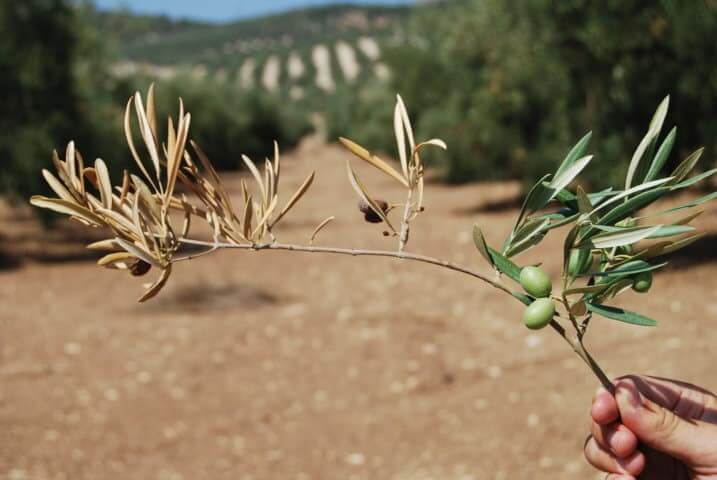
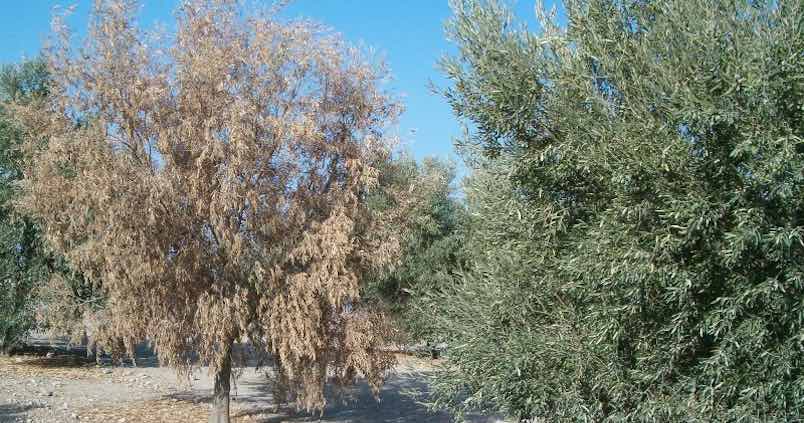
Verticillosis or dry olive tree produces symptoms in the leaves, branches and vascular system of the olive tree. The disease causes a reduction in the absorption of water and nutrients, which leads to wilting and death of plant parts.
• Wilting and yellowing of leaves.
• Drying and premature fall of leaves and branches.
• Necrosis in the branches and trunk.
• Reduction in the quality and quantity of the olive harvest.
• Damage to the plant's vascular system.


TEMPERATURE AND HUMIDITY
20°C - 30°C
60% - 80%

HOW IS IT SPREAD?
Entry through roots, direct contact with infected plants, contaminated tools.

HOW TO REMOVE IT?
Home remedies
There are no home treatments
Chemical treatments
-
Treatments allowed in organic farming
-
Insect allies
PREDATORY MITES
LADYBUGS
LACEWINGS
PARASITIC WASPS
HOVERFLIES OR PARASITIC FLIES
PREDATORY BUGS
There are no natural allies
Mycodiplosis oidii (predatory mosquito)
EFFECTIVE PRODUCTS TO ELIMINATE THIS DISEASE
Sponsored link
Sponsored link


Sponsored link
Sponsored link
Sponsored link


Sponsored link
Sponsored link
Effective against all types of fungi

Sponsored link


Sponsored link
Sponsored link

Sponsored link


Sponsored link
• Avoid planting olive trees in contaminated soil or with a history of the disease.
• Choose varieties resistant to Verticillium dahliae.
• Carry out crop rotations to reduce the presence of the fungus in the soil.
• Control soil humidity to avoid favorable conditions for the fungus.
• Apply specific fungicides when necessary.
• Remove and destroy infected plant parts to prevent spread.
• Disinfect pruning tools to prevent transmission.
Recommendations

Enjoy idMicrobe TOTALLY FREE, with no trial periods.


