

Virus
Citrus tristeza virus: what it is, how it originates, and how to effectively eliminate it.
Citrus Sadness Virus
Ctv (Citrus Tristeza Virus)
Pathogen:
Virus
Type:
Risk to the plant:
CRITICAL
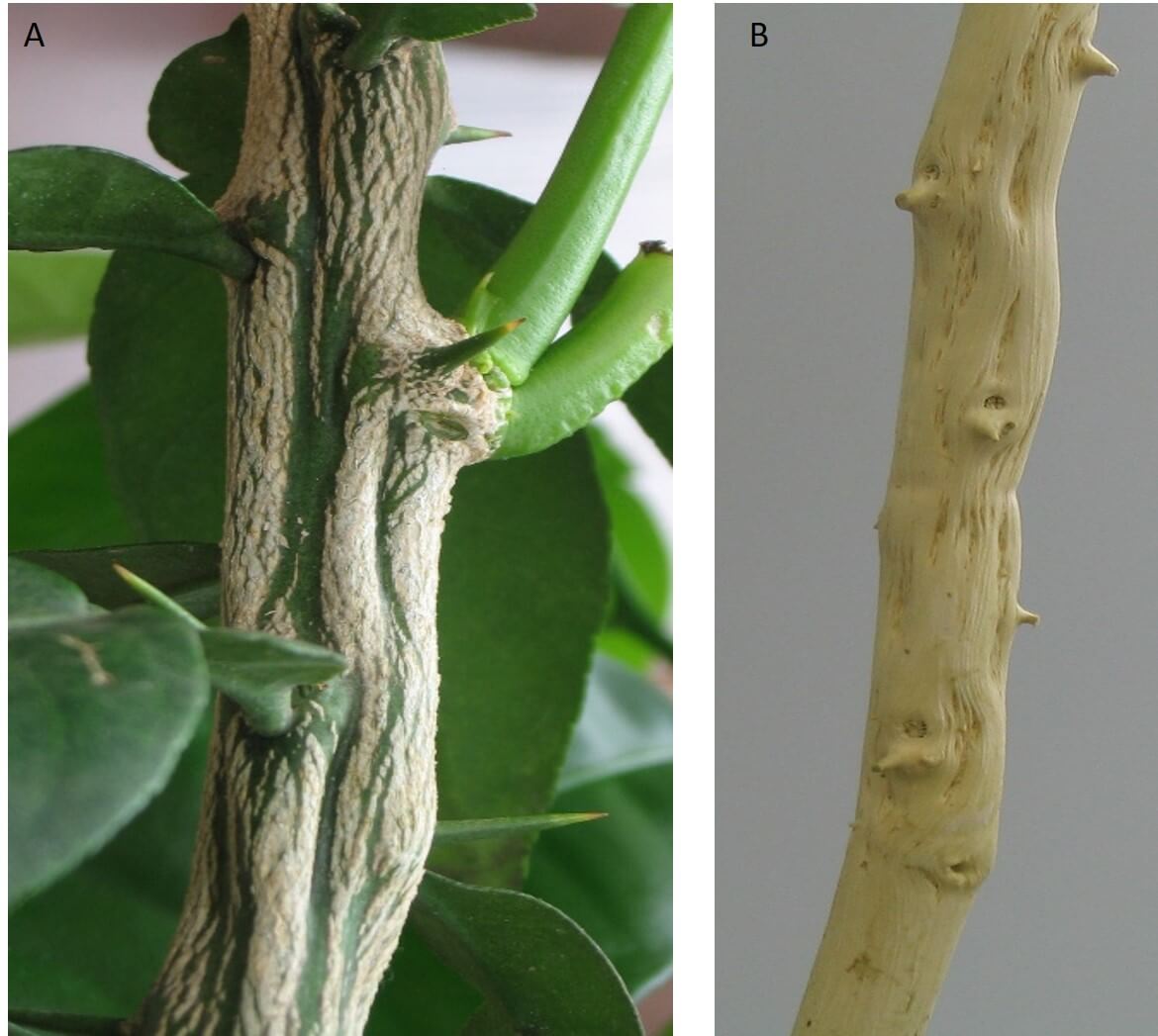


DESCRIPTION
WHO CAUSES IT?
Citrus Tristeza Virus (CTV) is a phytovirus belonging to the Closteroviridae family and is the causal agent of the Citrus Tristeza Virus, one of the most devastating diseases affecting citrus crops worldwide. This virus has a positive single-stranded RNA genome and is transmitted mainly by aphid vectors, with the black citrus aphid (Toxoptera citricida) being one of the main transmission vectors. CTV is highly diverse, with multiple strains and variants that can vary in their virulence and ability to affect different citrus varieties. This genetic variability of the virus further complicates its control and eradication.
SYMPTOMS
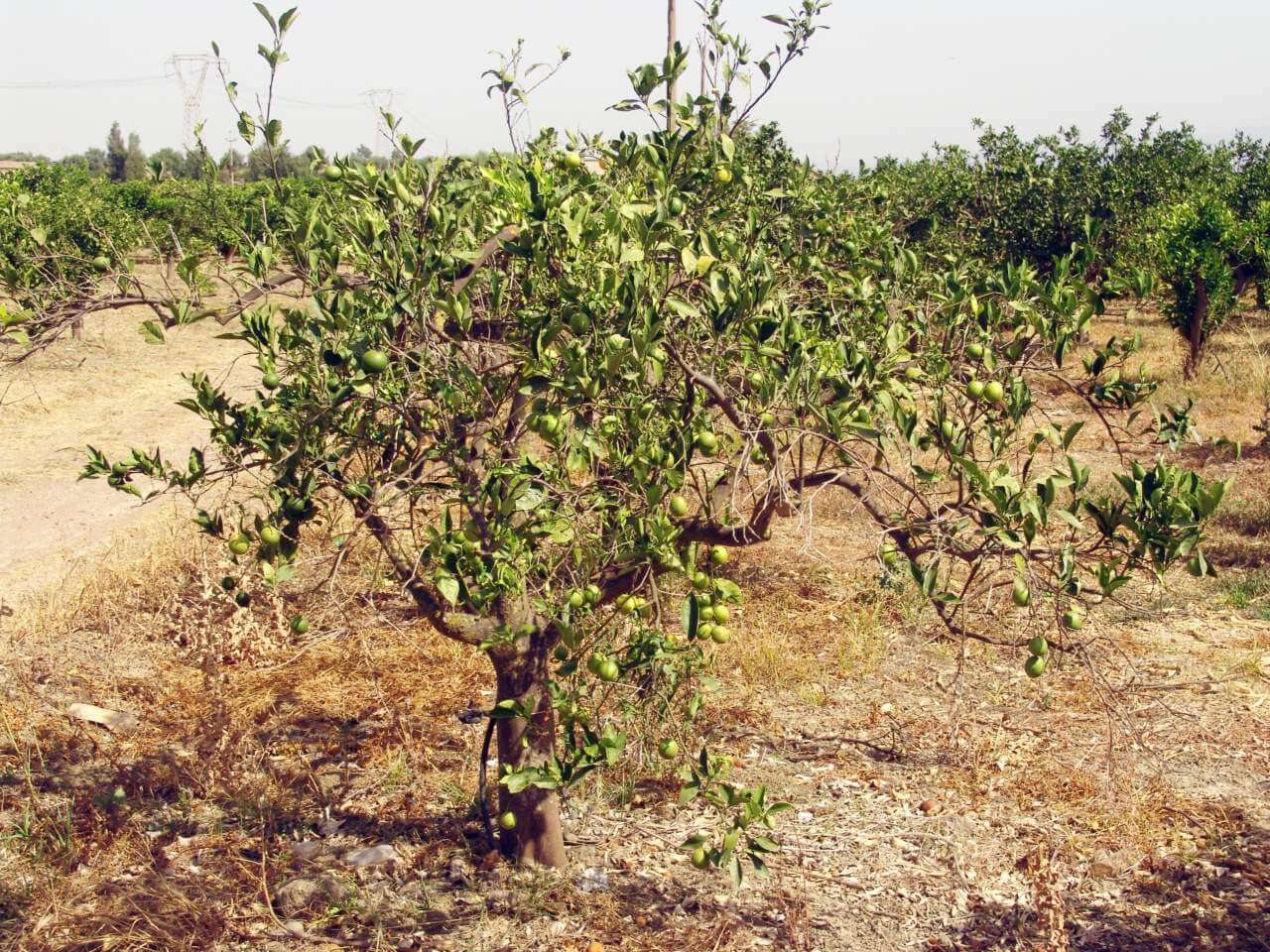
The disease caused by the Citrus Tristeza Virus in citrus manifests itself with a series of general symptoms that affect the health and productivity of the trees. These symptoms include general decline of the tree, leaf chlorosis, leaf deformation, growth retardation, premature fruit drop and eventual death of the tree. Additionally, specific symptoms may be observed depending on the citrus variety and virus strain, which can complicate the diagnosis of the disease.
General decline of the tree.
Leaf chlorosis.
Deformation of the leaves.
Delayed growth.
Premature fall of fruits.


TEMPERATURE AND HUMIDITY
20°C - 30°C
70% - 90%

HOW IS IT SPREAD?
Aphid vectors, graft, infected plant material.

HOW TO REMOVE IT?
Home remedies
There are no home treatments
Chemical treatments
There are no effective treatments against viruses, the treatments are focused on combating the insect or vector carrying the virus (SEE THE TREATMENTS AVAILABLE AGAINST APHIDS)
Treatments allowed in organic farming
There are no effective treatments against viruses, the treatments are focused on combating the insect or vector carrying the virus (SEE THE TREATMENTS AVAILABLE AGAINST APHIDS)
Insect allies
PREDATORY MITES
LADYBUGS
LACEWINGS
PARASITIC WASPS
HOVERFLIES OR PARASITIC FLIES
PREDATORY BUGS
There are no natural allies
Mycodiplosis oidii (predatory mosquito)
EFFECTIVE PRODUCTS TO ELIMINATE THIS DISEASE
Sponsored link
Sponsored link


Sponsored link
Sponsored link
Sponsored link


Sponsored link
Sponsored link
Effective against all types of fungi

Sponsored link


Sponsored link
Sponsored link

Sponsored link


Sponsored link
Recommendations to prevent and control the spread of Citrus Tristeza Virus:
Use certified and virus-free plant material for grafting.
Implement control measures for aphid vectors, such as the use of insecticides and the elimination of weeds.
Carry out regular inspections of crops to detect and eliminate infected plants.
Use virus-resistant rootstocks when possible.
Avoid exchanging grafting tools between infected and healthy trees.
Recommendations

Enjoy idMicrobe TOTALLY FREE, with no trial periods.


