

Virus
Almond leaf decline or xylella: what it is, how it occurs, and how to eliminate it effectively.
Almond Tree Decline Or Xylella
Xylella Fastidiosa
Pathogen:
Bacterium
Type:
Risk to the plant:
CRITICAL

DESCRIPTION
WHO CAUSES IT?
Xylella fastidiosa is a phytopathogenic bacteria that affects a wide range of plants, including almond trees. It is characterized by its ability to colonize the xylem vessels of plants, interfering with the transport of water and nutrients. The bacteria is transmitted mainly by insect vectors such as leafhoppers and cercopids, which feed on xylem. Once Xylella fastidiosa enters the plant's vascular system, it multiplies rapidly, forming biofilms that block xylem vessels. This causes symptoms of water stress and general deterioration of the plant. The bacteria has several subspecies, each with a specific range of hosts and associated symptoms, which further complicates its control and management. Spread of the bacteria can occur through the movement of insect vectors and infected plant material.
SYMPTOMS
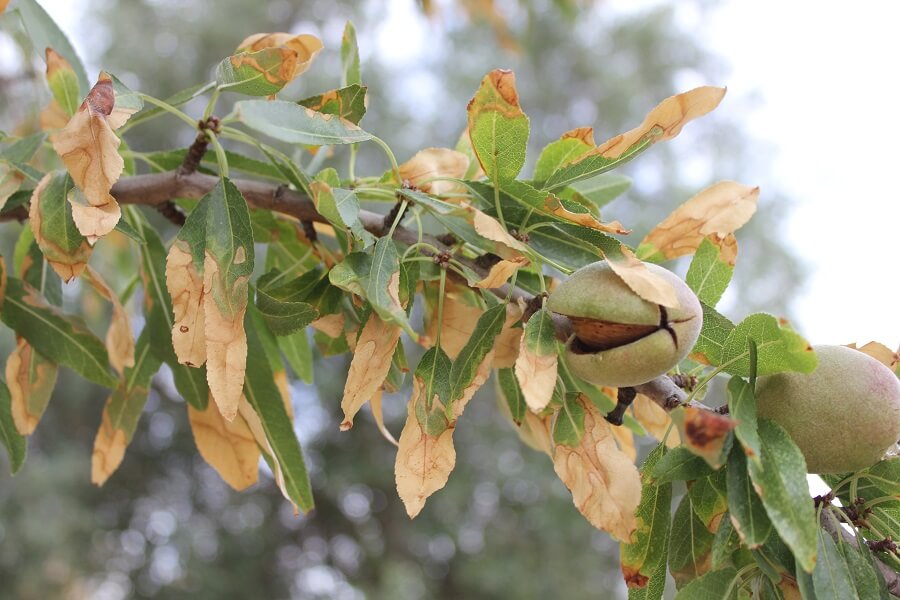
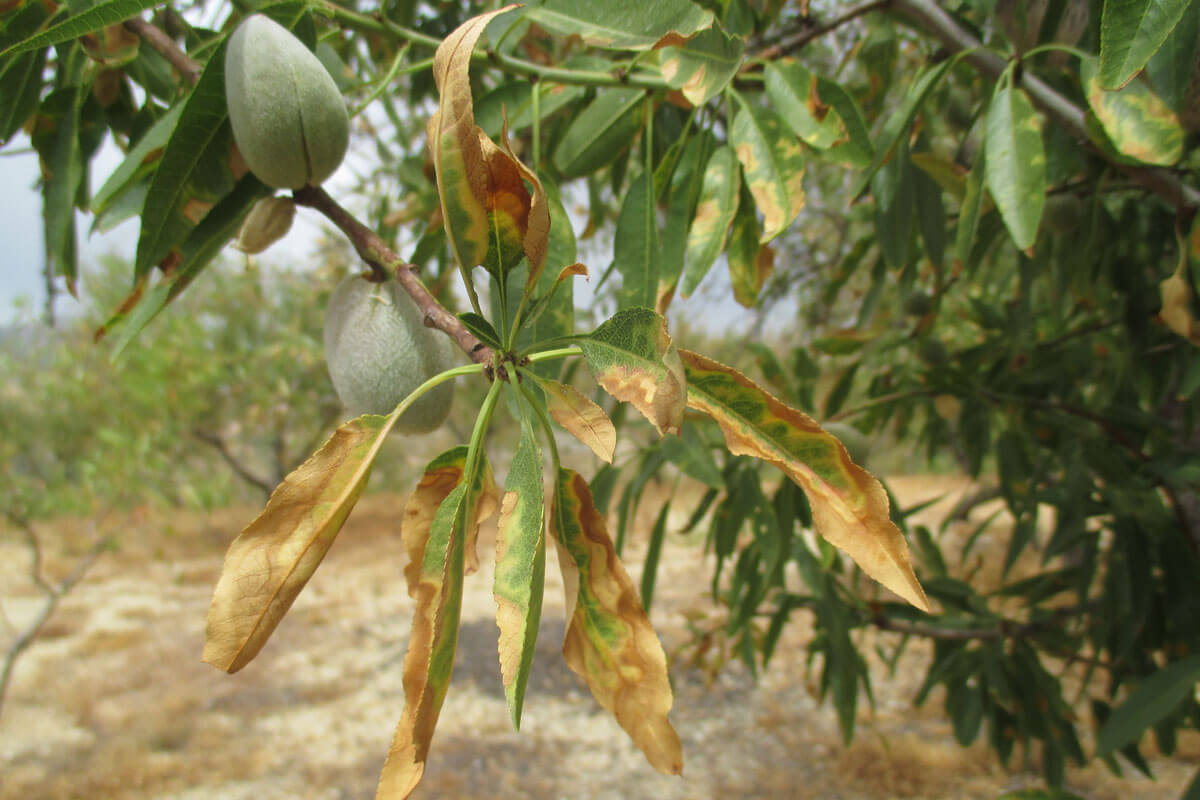
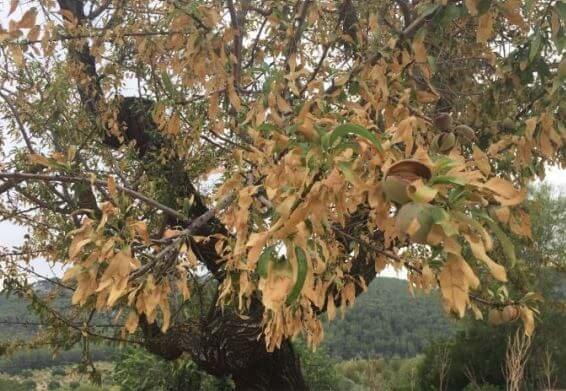
Almond tree decline, caused by Xylella fastidiosa, is a devastating disease that causes a series of symptoms that seriously affect the health and productivity of the almond tree. The infection interferes with the plant's ability to transport water and nutrients, leading to progressive desiccation and weakening of the plant.
- Chlorosis and yellowing of the leaves.
- Burns on the edges of the leaves.
- Wilting of leaves and shoots.
- Premature defoliation.
- Drying and regressive death of branches.
- Reduction in fruit production.
- Appearance of symptoms of water stress even under adequate irrigation conditions.


TEMPERATURE AND HUMIDITY
20°C - 30°C
50% - 80%

HOW IS IT SPREAD?
Insect vectors, Infected plant material, Contaminated tools, Contaminated irrigation water

HOW TO REMOVE IT?
Home remedies
There are no home treatments
Chemical treatments
There are no effective treatments against this pest. It is recommended to remove infected plants and nearby plants to prevent spread. As well as putting measures to control insect vectors.
Treatments allowed in organic farming
There are no effective treatments against this pest. It is recommended to remove infected plants and nearby plants to prevent spread. As well as putting measures to control insect vectors.
Insect allies
PREDATORY MITES
LADYBUGS
LACEWINGS
PARASITIC WASPS
HOVERFLIES OR PARASITIC FLIES
PREDATORY BUGS
There are no natural allies
Mycodiplosis oidii (predatory mosquito)
EFFECTIVE PRODUCTS TO ELIMINATE THIS DISEASE
Sponsored link
Sponsored link


Sponsored link
Sponsored link
Sponsored link


Sponsored link
Sponsored link
Effective against all types of fungi

Sponsored link


Sponsored link
Sponsored link

Sponsored link


Sponsored link
- Implement strict quarantine and control measures to prevent the introduction and spread of the bacteria in unaffected areas.
- Regularly monitor almond plantations to detect early the presence of insect vectors and signs of infection.
- Use certified plants free of Xylella fastidiosa for new plantings and replacements.
- Apply specific insecticide treatments to control vector populations, following local recommendations and regulations.
- Promote integrated pest management (IPM) practices that include biological control of vectors.
- Remove and destroy infected plants to reduce the bacterial inoculum and the spread of the disease.
- Maintain good soil health and adequate plant nutrition to strengthen their natural resistance to infections.
- Promote research and development of almond tree varieties resistant or tolerant to Xylella fastidiosa.
Recommendations

Enjoy idMicrobe TOTALLY FREE, with no trial periods.


