top of page
idMicrobe: Tool to recognize plant diseases and consult home treatments

The Guide to Caring for Your Plants

Learn to recognize pests and how to combat them

Symptoms, treatments, and recommendations for treating lens mite

Crystalline Mite

Oligonychus Perseae

Pathogen:

Type:

Insect

Risk:

HIGH
Symptoms, treatments, and recommendations for treating lens mite

Aguacate

Ácaros

Crystalline Mite: Symptoms and Damage in Avocado
1709890758744.png

WHO CAUSES IT?

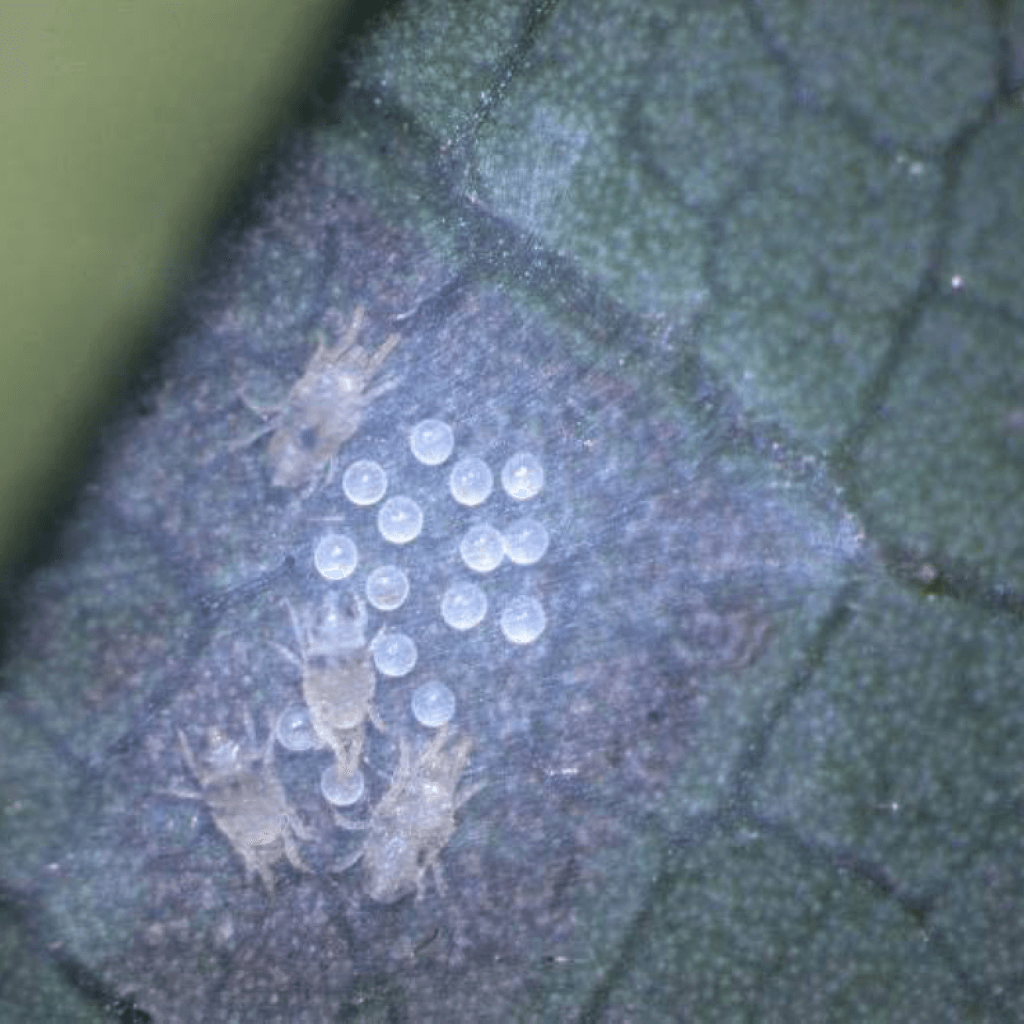
Oligonychus perseae, known as the crystalline mite, is a phytophagous mite that mainly infests avocado crops. This pathogen is tiny in size and its body is transparent or yellowish in color, making it difficult to detect with the naked eye. Females lay their eggs on the underside of leaves, usually near the main veins. The eggs hatch within a few days and the young larvae begin feeding on the leaf tissue. Mite development includes several stages: egg, larva, protonymph, deutonymph and adult. Warm, dry conditions favor their proliferation, and under optimal conditions, an entire generation can develop in just one or two weeks. These mites feed by piercing the mesophyll cells of the leaves and sucking out the cellular contents, leading to discoloration and necrosis of the affected tissue.

1713099015053 (2).png

SYMPTOMS

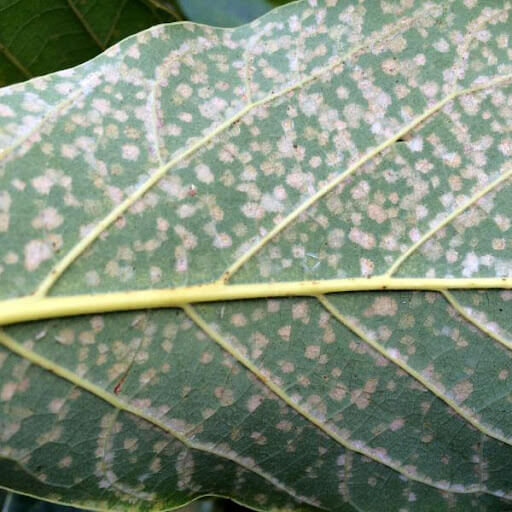
The infestation of Oligonychus perseae in avocado produces the disease known as crystalline mite, which can cause significant damage to the plant if not managed properly. The disease primarily manifests itself on the leaves, where the mites feed and cause visible damage that affects photosynthesis and the overall health of the tree.

- Appearance of chlorotic Taches on the leaves.
- Tanning or burnt appearance in affected areas.
- Loss of shine and vigor in the leaves.
- Premature defoliation.
- Reduction in the size and quality of the fruits.
- Loss of yield in the crop.
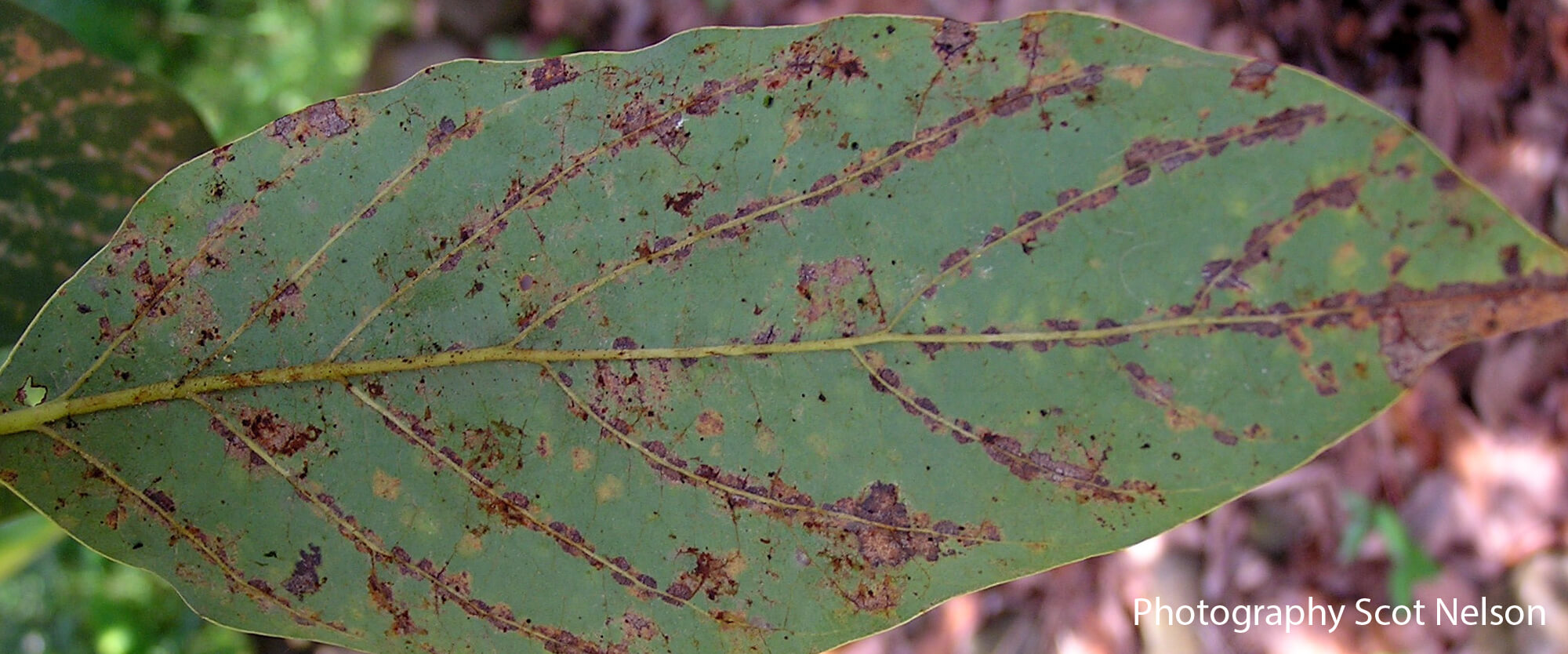
Damage caused by crystal mite in avocado
Crystalline Mite in Avocado: How to Recognize and Treat It Effectively
Crystalline mite on avocado | idMicrobe
1709890758650.png

TEMPERATURE AND HUMIDITY

20°C - 30°C

40% - 60%

1709890758697.png

TRANSMISSION ROUTES

Wind, contaminated agricultural tools, direct contact between plants, workers' clothing and hands, infested plant material

Do you want to remove this disease? Choose how you want to treat it.

1709890758673.png

TREATMENTS

Chemical treatments

• ORANGE OIL 60g/L [ME] P/S
• PARAFFIN OIL (CAS [64742-46-7]) 79% [EC] P/V
• PARAFFIN OIL (CAS [64742-46-7]) 80% [EC] P/V
• PARAFFIN OIL (CAS [8042-47-5]) 54.6% [EW] P/V
• PARAFFIN OIL (CAS [8042-47-5]) 79% [EC] P/V
• PARAFFIN OIL (CAS [97862-82-3]) 40% [EW] P/V
• Paraffin oil 65.4% [EW] P/V
• PARAFFIN OIL 81.7% [EC] P/V
• PARAFFIN OIL 83% [EC] P/V
• SULFUR 70% [SC] P/V
• SULFUR 72% [SC] P/V
• SULFUR 80% [DP] P/P
• SULFUR 80% [SC] P/V
• SULFUR 80% [WG] P/P
• SULFUR 80% [WP] P/P
• ALUMINUM PHOSPHIDE 56% (0.6 G/TABLET) [GE] P/P
• ALUMINUM PHOSPHIDE 56% (3 G/TABLET) [GE] P/P
• ALUMINUM PHOSPHIDE 56% [GE] P/P
• HEXITIAZOX 25.87% [SC] P/V
• LAMBDA CYHALOTHRIN 10% [CS] P/V
• MALTODEXTRIN 47.6% [SL] P/V
• POTASSIUM SALTS OF FATTY ACIDS C14-C20 48% [EW] P/V
• TAU-FLUVALINATE 24% [EW] P/V

Authorized treatments in organic farming

• ORANGE OIL 60g/L [ME] P/S
• PARAFFIN OIL (CAS [64742-46-7]) 79% [EC] P/V
• PARAFFIN OIL (CAS [64742-46-7]) 80% [EC] P/V
• PARAFFIN OIL (CAS [8042-47-5]) 54.6% [EW] P/V
• PARAFFIN OIL (CAS [8042-47-5]) 79% [EC] P/V
• PARAFFIN OIL (CAS [97862-82-3]) 40% [EW] P/V
• Paraffin oil 65.4% [EW] P/V
• PARAFFIN OIL 81.7% [EC] P/V
• PARAFFIN OIL 83% [EC] P/V
• SULFUR 70% [SC] P/V
• SULFUR 72% [SC] P/V
• SULFUR 80% [DP] P/P
• SULFUR 80% [SC] P/V
• SULFUR 80% [WG] P/P
• SULFUR 80% [WP] P/P
• LAMBDA CYHALOTHRIN 10% [CS] P/V
• MALTODEXTRIN 47.6% [SL] P/V
• POTASSIUM SALTS OF FATTY ACIDS C14-C20 48% [EW] P/V

Biological control

• METARHIZIUM BRUNNEUM strain Ma 43 10.5% [OD] P/V

Recommendations

- Regularly monitor crops to detect the presence of crystalline mites early.
- Implement integrated pest management practices that include biological controls, such as the use of natural mite predators.
- Maintain an adequate irrigation program to avoid drought conditions that favor the proliferation of mites.
- Apply selective acaricides according to technical recommendations and rotate different classes of acaricides to avoid resistance.
- Perform sanitary pruning to remove infested leaves and improve air circulation in the tree canopy.
- Avoid excessive use of nitrogen fertilizers, as they promote the growth of tender tissue that is more susceptible to mite infestation.
- Maintain good hygiene in the garden, eliminating plant remains and weeds that may harbor mites.
- Use plant covers and mulching to maintain soil moisture and reduce the spread of mites.

Sponsored link

Sponsored link

Sponsored link

Sponsored link

Insecticidal soap

Insecticidal soap

Home treatment. Eco-friendly

Sponsored link

Bacillus Thuringiensis BT Organic Worm & Caterpillar Control

Bacillus Thuringiensis BT Organic Worm & Caterpillar Control

Eco-friendly. Respectful of animals, the environment, and people.

Sponsored link

Fruit fly traps

Fruit fly traps

Non-Toxic. Reusable. For indoor and outside

Sponsored link

Treatment against snails and slugs

Treatment against snails and slugs

Granulated bait, attractive, safe and fast.

Sponsored link

Sponsored link

Sponsored link

Sponsored link

Sponsored link

Sponsored link

Natural Pesticide, Fungicide, Miticide, Insecticide, Spider Mites, Powdery Mildew, Botrytis and Mold

Natural Pesticide, Fungicide, Miticide, Insecticide, Spider Mites, Powdery Mildew, Botrytis and Mold

100% ecological fungicide

Sponsored link

Nematodes - Biological Pest Control for Fungus Gnats, Thrips, & Whiteflies

Nematodes - Biological Pest Control for Fungus Gnats, Thrips, & Whiteflies

Biological Pest Control for Fungus Gnats, Thrips, & Whiteflies

Sponsored link

Light traps for insects

Light traps for insects

Solar trap for outside

Sponsored link

Sponsored link

Effective against all types of fungi

Sponsored link

Anti-ant adhesive tape

Anti-ant adhesive tape

Tree protection. Easy to use.

Sponsored link

Sponsored link

Sponsored link

Adhesive traps for insects

Adhesive traps for insects

For orchards, terraces and flower pots.

Sponsored link

Insecticide, fungicide, acaricide and nematicide spraying

Insecticide, fungicide, acaricide and nematicide spraying

100% organic. For indoor and outdoor use

Sponsored link

Lime for whitewashing

Lime for whitewashing

Insect Barrier/Repellent

Sponsored link

Fungus Gnat Killer & Bug Spray

Fungus Gnat Killer & Bug Spray

For outdoor and indoor use. Pet friendly

Sponsored link

Sponsored link

Sponsored link

Mature compost. Worm castings

Mature compost. Worm castings

100% Natural. Soil Restorative

Sponsored link

Sponsored link

Sponsored link

100% organic diatomaceous earth

100% organic diatomaceous earth

Natural insecticide against insects

Sponsored link

Beetle traps

Beetle traps

Ideal for ornamentals, flowers and shrubs.

Sponsored link

Trap for Tuta absoluta

Trap for Tuta absoluta

Attracts and traps tomato moths

Sponsored link

Snail and slug traps

Snail and slug traps

Ideal for orchards, gardens and pots.

Sponsored link

Copper-based fungicide - Curative and preventive

Copper-based fungicide - Curative and preventive

Effective against all types of fungi

Sponsored link

*The recommended treatments are recommendations based on the authorities' databases and do not replace in any way the guidelines established by the legislation of each country.

*Products shown are recommendations and not our own products. As Amazon Associates, we earn revenue from purchases of recommended products.

1709890758673.png

TREATMENTS

Homemade remedies

BONE MEAL OR GROUND FISH SHELLS

RUSTY NAILS OR IRON SHAVINGS

BANANA PEELS

EPSOM SALTS (MAGNESIUM SULFATE)

SOLUTION WITH HOUSEHOLD BORAX

GROUND OR BOILED EGGSHELLS

COMPOST WITH ONION OR GARLIC SCRAPS

VEGETABLE COOKING WATER

WOOD ASH

WATER WITH VINEGAR OR LEMON (VERY DILUTED)

GARLIC INFUSION

USED COFFEE OR TEA

BANANA AND EGGSHELL INFUSION

POTATO OR LEGUME COOKING WATER

COMPOST FROM FRESH GREEN LEAVES

COMPOST OR WELL-AGED MANURE

DILUTED MILK (1:10)

BANANA TEA

LEAF COMPOST

NETTLE SLURRY

POTASSIUM SOAP AND NEEM OIL SOLUTION

POTASSIUM SOAP SOLUTION + NEEM OIL + DIATOMACEOUS EARTH

BAKING SODA AND NEUTRAL SOAP SOLUTION

GARLIC INFUSION WITH NEUTRAL SOAP

CHROMATIC OR ADHESIVE TRAPS

DILUTED MILK

HORSETAIL INFUSION

TRUNK WHITEWASHING

DIATOMACEOUS EARTH

WOOD ASH

NETTLE SLURRY

CUT THE AFFECTED BRANCHES AND APPLY CINNAMON

GARLIC AND CINNAMON INFUSION

INFUSION OF WORMWOOD, CHILI OR CHILLI

CLEAN THE AFFECTED AREA AND APPLY ASH PASTE WITH GARLIC OR CINNAMON

GARLIC AND MINT INFUSION

LIGHT TRAPS

APPLY CINNAMON POWDER

PITFALL TRAPS

CRUSHED EGG SHELLS

CLEAN AND SEAL THE WOUND WITH CLAY, CINNAMON AND GARLIC PASTE

GARLIC INFUSION

MATURE COMPOST

TRAPS WITH VINEGAR AND SOAP

SEAL HOLES WITH ASH PASTE AND CRUSHED GARLIC

VINEGAR AND BAKING SODA SOLUTION

ANT TRAP

TAPE TRAP

PHEROMONE TRAP

ALCOHOL TRAPS

FUNNEL TRAP

There are no home treatments

Natural allies

PREDATORY MITES

LADYBUGS

LACEWINGS

PARASITIC WASPS

HOVERFLIES OR PARASITIC FLIES

PREDATORY BUGS

There are no natural allies

Mycodiplosis oidii (predatory mosquito)

Chemical treatments

AGRICULTURAL SULFUR (POWDER OR SOLUBLE)

POTASSIUM FERTILIZERS

MAGNESIUM FERTILIZERS

BORON FERTILIZERS

CALCIUM FERTILIZERS

NITROGEN FERTILIZERS

PHOSPHORUS FERTILIZERS

IRON FERTILIZERS

SULFUR FERTILIZERS

NPK FERTILIZERS

There are no treatments for this disease. Treatments are directed at the insect vectors that transmit it. See insect treatments.

ABAMECTIN 0.0015% + PYRETHRINS 0.02%

RAPESEAL OIL

RAPESEAL OIL + PYRETHRINS

ORANGE OIL 6%

PARAFFIN OIL

ACETAMIPRID

ACETAMIPRID 0.005%

ACETAMIPRID 20%

SULFUR

COPPER 20%

COPPER 25%

COPPER 35%

COPPER 38%

COPPER 50%

COPPER 52%

DELTAMETHRIN 1.57%

DELTAMETHRIN 10%

DELTAMETHRIN 2.5%

DIFENOCONAZOLE 1.67%

ESFENVALERATE 2.5%

ESFENVALERATE 5%

100% GARLIC EXTRACT

PHENHEXAMIDE 50%

FLUPYRADIFURONE

FLUPIRADIFURONE 20%

FOSETIL-AL 80%

FERRIC PHOSPHATE

ALUMINUM PHOSPHIDE 56%

PHOSTIAZATE 10%

PHOSTIAZATE 15%

HEXITIAZOX 10%

POTASSIUM HYDROGEN CARBONATE

LAMBDA CYHALOTHRIN

LAMINARIN 4.5%

METALDEHYDE

PIRACLOSTROBIN 6.7% + BOSCALIDE 26.7%

PYRETHRINS

PYRIPROXIFEN 10%

POTASSIUM SALTS OF UNSATURATED FATTY ACIDS

SPINOSAD 0.024%

SPINOSAD 12%

SPINOSAD 48%

TAU-FLUVALINATE 24%

TETRACONAZOLE 10%

TETRACONAZOLE 12.5%

TETRACONAZOLE 4%

TRICHODERMA ASPERELLUM (STRAIN T34)

1709890758720.png

RECOMMENDATIONS

1714749024044.png

REPELLENT PLANTS

EFFECTIVE PRODUCTS TO ELIMINATE THIS DISEASE

Sponsored link

Sponsored link

Sponsored link

Sponsored link

Home treatment. Eco-friendly

Insecticidal soap

Home treatment. Eco-friendly

Sponsored link

Eco-friendly. Respectful of animals, the environment, and people.

Bacillus Thuringiensis BT Organic Worm & Caterpillar Control

Eco-friendly. Respectful of animals, the environment, and people.

Sponsored link

Non-Toxic. Reusable. For indoor and outside

Fruit fly traps

Non-Toxic. Reusable. For indoor and outside

Sponsored link

Granulated bait, attractive, safe and fast.

Treatment against snails and slugs

Granulated bait, attractive, safe and fast.

Sponsored link

Sponsored link

Sponsored link

Sponsored link

Sponsored link

Sponsored link

100% ecological fungicide

Natural Pesticide, Fungicide, Miticide, Insecticide, Spider Mites, Powdery Mildew, Botrytis and Mold

100% ecological fungicide

Sponsored link

Biological Pest Control for Fungus Gnats, Thrips, & Whiteflies

Nematodes - Biological Pest Control for Fungus Gnats, Thrips, & Whiteflies

Biological Pest Control for Fungus Gnats, Thrips, & Whiteflies

Sponsored link

Solar trap for outside

Light traps for insects

Solar trap for outside

Sponsored link

Sponsored link

Effective against all types of fungi

Effective against all types of fungi

Sponsored link

Tree protection. Easy to use.

Anti-ant adhesive tape

Tree protection. Easy to use.

Sponsored link

Sponsored link

Sponsored link

For orchards, terraces and flower pots.

Adhesive traps for insects

For orchards, terraces and flower pots.

Sponsored link

100% organic. For indoor and outdoor use

Insecticide, fungicide, acaricide and nematicide spraying

100% organic. For indoor and outdoor use

Sponsored link

Insect Barrier/Repellent

Lime for whitewashing

Insect Barrier/Repellent

Sponsored link

For outdoor and indoor use. Pet friendly

Fungus Gnat Killer & Bug Spray

For outdoor and indoor use. Pet friendly

Sponsored link

Sponsored link

Sponsored link

100% Natural. Soil Restorative

Mature compost. Worm castings

100% Natural. Soil Restorative

Sponsored link

Sponsored link

Sponsored link

Natural insecticide against insects

100% organic diatomaceous earth

Natural insecticide against insects

Sponsored link

Ideal for ornamentals, flowers and shrubs.

Beetle traps

Ideal for ornamentals, flowers and shrubs.

Sponsored link

Attracts and traps tomato moths

Trap for Tuta absoluta

Attracts and traps tomato moths

Sponsored link

Ideal for orchards, gardens and pots.

Snail and slug traps

Ideal for orchards, gardens and pots.

Sponsored link

Effective against all types of fungi

Copper-based fungicide - Curative and preventive

Effective against all types of fungi

Sponsored link

*The recommended treatments are recommendations based on the authorities' databases and do not replace in any way the guidelines established by the legislation of each country.

*Products shown are recommendations and not our own products. As Amazon Associates, we earn revenue from purchases of recommended products.

project_20250513_2128439-03.jpg

Enjoy idMicrobe TOTALLY FREE, with no trial periods.

button_google_play_EN.png
boton_mobile_Version_EN.jpg

OTHER PESTS

Nitrogen deficiency in plants | idMicrobe

Nitrogen Deficiency

Potassium deficiency in plants | idMicrobe

Potassium Deficiency

Calcium deficiency in plants | idMicrobe

Calcium Deficiency

Carrot weevil | idMicrobe

Carrot Weevil

Brown crown and root rot in beets | idMicrobe

Brown Crown And Root Rot

Southern blight on beets | idMicrobe

Sclerotium Disease, Southern Blight Or Southern Blight

Phosphorus deficiency in plants | idMicrobe

Phosphorus Deficiency

Magnesium deficiency in plants | idMicrobe

Magnesium Deficiency

Sulfur deficiency in plants | idMicrobe

Sulfur Deficiency

Carrot scab | idMicrobe

Carrot Scab

Vinous malformation in beets | idMicrobe

Bad Vinous

Ramularia in beets | idMicrobe

Ramularia

Iron deficiency in plants | idMicrobe

Iron Deficiency

Boron deficiency in plants | idMicrobe

Boron Deficiency

Carrot ring rot or disease | idMicrobe

Ring Rot Or Disease

Carrot Thrips | idMicrobe

Thrips

Phomosis in beets | idMicrobe

Phomosis

Alternaria in beets | idMicrobe

Alternariosis

bottom of page