

Anthracnose
Colletotrichum Gloeosporioides
Pathogen:
Type:
Fungus
Risk:
HIGH

Aguacate
Antracnosis
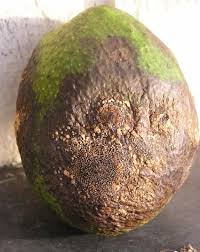

WHO CAUSES IT?
Colletotrichum gloeosporioides is a pathogenic fungus that affects various plants, including avocado. This fungus produces conidial spores in structures called acervuli, which emerge from infected tissues. Spores are dispersed mainly by splashing water and wind, finding new wounds or vulnerable tissues in which to germinate. Under favorable conditions of high humidity and warm temperatures, spores germinate and form appressoria that penetrate plant tissues. Once inside, the fungus colonizes the cells, causing necrosis and tissue death. As the infection progresses, more acervuli develop in the dead tissues, repeating the cycle. This process can be rapid, being completed in a few days under ideal conditions, which facilitates the spread and establishment of the pathogen in new areas.
.png)
SYMPTOMS
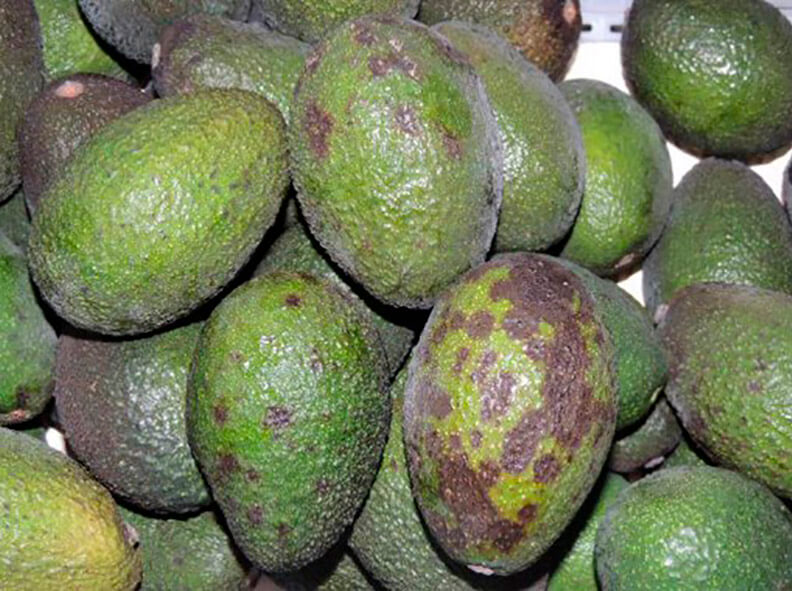
In avocado, anthracnose caused by Colletotrichum gloeosporioides manifests itself with visible symptoms on fruits, leaves and branches. The disease begins as small black Taches that quickly expand, developing sunken, discolored areas. Severe infections can cause premature fruit and leaf drop, significantly affecting the productivity and quality of avocados.
- Black Taches on the fruits
- Sunken and discolored areas on fruits and leaves
- Premature fall of fruits and leaves
- Necrosis in young branches
- Reduction in the quality and size of the fruits
- Loss of vigor in the affected tree


TEMPERATURE AND HUMIDITY
25-30°C
85-95%

TRANSMISSION ROUTES
Wind, Water, Contaminated tools, Direct contact between plants, Insect vectors, Infected plant material
Do you want to remove this disease? Choose how you want to treat it.

TREATMENTS
Chemical treatments
• CIPRODINIL 37.5% + FLUDIOXONIL 25% [WG] P/P
• CUPRIC HYDROXIDE 13.6% (EXPR. IN CU) + COPPER OXYCHLORIDE 13.6% (EXPR. IN CU) [SC] P/V
• CUPRIC HYDROXIDE 25% (EXPR. IN CU) [WG] P/P
• CUPRIC HYDROXIDE 50% (EXPR. IN CU) [WP] P/P
• LAMINARIN 4.5% [SL] P/S
• COPPER OXYCHLORIDE 35% (exp. in Cu) [WG] P/P
• COPPER OXYCHLORIDE 35% (EXPR. IN CU) [WG] P/P
• COPPER OXYCHLORIDE 37.5% (EXPR. IN CU) [WG] P/P
• COPPER OXYCHLORIDE 38% (EXPR. IN CU) [SC] P/V
• COPPER OXYCHLORIDE 50% (EXPR. IN CU) [WP] P/P
• COPPER OXYCHLORIDE 52% (EXPR. IN CU) [SC] P/V
• CUPROCALCIC SULFATE 20% (EXPR. IN CU) [WG] P/P
• CUPROCALCIC SULFATE 20% (EXPR. IN CU) [WP] P/P
• CUPROCALCIC SULFATE 20% (EXPR. IN CU) [WG] P/P
Authorized treatments in organic farming
• CUPRIC HYDROXIDE 13.6% (EXPR. IN CU) + COPPER OXYCHLORIDE 13.6% (EXPR. IN CU) [SC] P/V
• CUPRIC HYDROXIDE 25% (EXPR. IN CU) [WG] P/P
• CUPRIC HYDROXIDE 50% (EXPR. IN CU) [WP] P/P
• LAMINARIN 4.5% [SL] P/S
• COPPER OXYCHLORIDE 35% (exp. in Cu) [WG] P/P
• COPPER OXYCHLORIDE 35% (EXPR. IN CU) [WG] P/P
• COPPER OXYCHLORIDE 37.5% (EXPR. IN CU) [WG] P/P
• COPPER OXYCHLORIDE 38% (EXPR. IN CU) [SC] P/V
• COPPER OXYCHLORIDE 50% (EXPR. IN CU) [WP] P/P
• COPPER OXYCHLORIDE 52% (EXPR. IN CU) [SC] P/V
• CUPROCALCIC SULFATE 20% (EXPR. IN CU) [WG] P/P
• CUPROCALCIC SULFATE 20% (EXPR. IN CU) [WP] P/P
• CUPROCALCIC SULFATE 20% (EXPR. IN CU) [WG] P/P
Biological control
• BACILLUS SUBTILIS (STRAIN QST 713) 1.34% [SC] P/V
Recommendations
- Carry out regular monitoring of crops to detect the presence of symptoms early.
- Prune and remove infected parts of the tree to reduce the source of inoculum.
- Improve ventilation in plantations to reduce relative humidity.
- Apply preventive and curative fungicides following the specific technical recommendations for Colletotrichum gloeosporioides.
- Implement a crop rotation program to minimize the accumulation of pathogens in the soil.
- Avoid sprinkler irrigation that favors the dispersal of spores; prefer drip irrigation.
- Use resistant avocado varieties when possible.
- Disinfect pruning and harvesting tools to prevent the transmission of the pathogen.
Sponsored link
Sponsored link
Sponsored link


Sponsored link
Sponsored link
Sponsored link
Sponsored link


Sponsored link
Sponsored link
Effective against all types of fungi

Sponsored link
Sponsored link


Sponsored link
Sponsored link

Sponsored link
Sponsored link


Sponsored link
*The recommended treatments are recommendations based on the authorities' databases and do not replace in any way the guidelines established by the legislation of each country.
*Products shown are recommendations and not our own products. As Amazon Associates, we earn revenue from purchases of recommended products.

TREATMENTS
Homemade remedies
There are no home treatments
Natural allies
Chemical treatments
There are no treatments for this disease. Treatments are directed at the insect vectors that transmit it. See insect treatments.

RECOMMENDATIONS

REPELLENT PLANTS
EFFECTIVE PRODUCTS TO ELIMINATE THIS DISEASE
Sponsored link
Sponsored link
Sponsored link
Sponsored link
Sponsored link
Sponsored link
Sponsored link
Sponsored link
Sponsored link
Effective against all types of fungi
Sponsored link
Sponsored link
Sponsored link
Sponsored link
Sponsored link
Sponsored link
Sponsored link
*The recommended treatments are recommendations based on the authorities' databases and do not replace in any way the guidelines established by the legislation of each country.
*Products shown are recommendations and not our own products. As Amazon Associates, we earn revenue from purchases of recommended products.

Enjoy idMicrobe TOTALLY FREE, with no trial periods.


