

Stem Or Collar Borer
Zascelis Sp
Pathogen:
Type:
Insect
Risk:
HIGH
Mora
Barrenadores

WHO CAUSES IT?
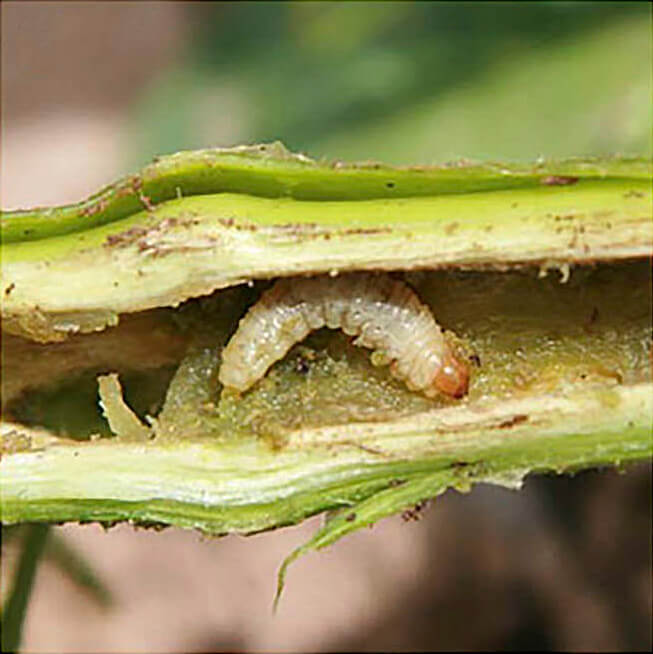
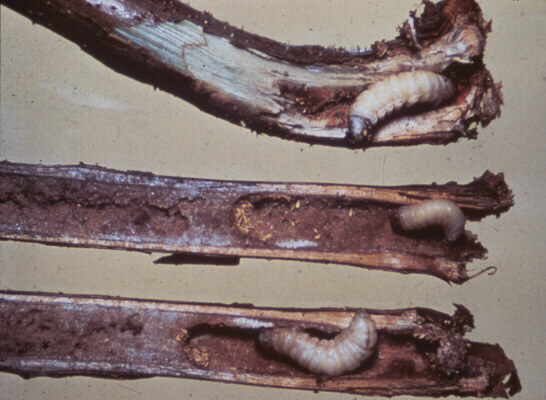
Zascelis sp. is a genus of insects belonging to the family Curculionidae, commonly known as stem or neck borers. Adults are small beetles, cylindrical in shape and dark in color, which deposit their eggs in the bark of host plants. Once the larvae emerge, they enter the interior of the stem or neck of the plant, where they excavate galleries by feeding on the internal tissue. This internal feeding process lasts several weeks, during which the larvae develop through several stages before turning into pupae. The pupal stage also occurs inside the stem, and after completing this phase, they emerge as adults. The duration of each stage of development of Zascelis sp. It may vary depending on environmental conditions, but they generally complete their development cycle in approximately two to three months.
.png)
SYMPTOMS
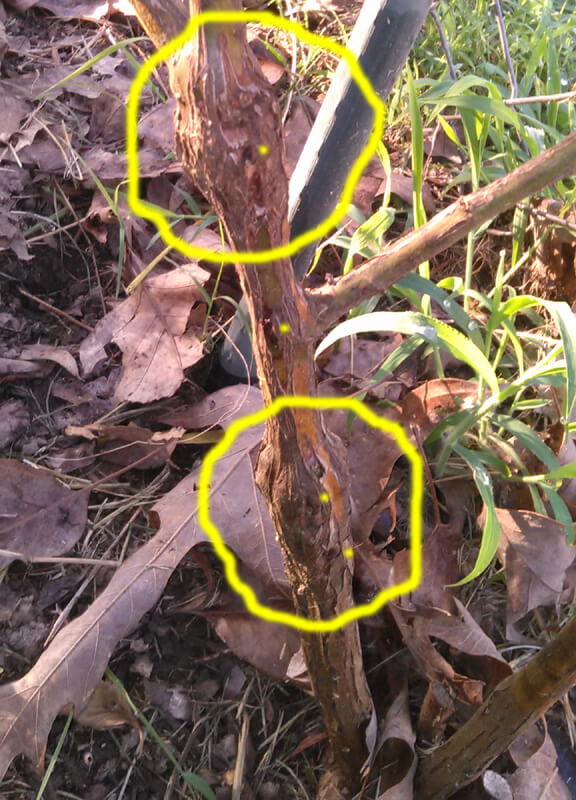
In blackberries, infestation by Zascelis sp. It causes a disease that manifests itself mainly in the structural weakening of the plant, due to the galleries that the larvae excavate inside the stem or neck. This interferes with the transport of water and nutrients, which can lead to a significant decrease in plant vigor and, in severe cases, plant death. Symptoms include wilting of leaves and shoots, yellowing of leaves, and the presence of sawdust or exudate at the base of the affected plant. In advanced stages, the stem may show visible swelling or deformation.
- Withering of leaves and shoots
- Yellowing of the leaves
- Presence of sawdust or exudate at the base of the plant
- Visible swellings or deformations on the stem
- Reduction in plant growth and vigor
- Death of the plant in severe infestations


TEMPERATURE AND HUMIDITY
20-30°C
50-80%

TRANSMISSION ROUTES
Wind, movement of infected plant material, contaminated tools, direct contact between infested and healthy plants
Do you want to remove this disease? Choose how you want to treat it.

TREATMENTS
Chemical treatments
• ORANGE OIL 60g/L [ME] P/S
• AZADIRACTIN 1% (AS AZADIRACTIN A) [EC] P/V
• Azadirachtin 2.6% (AS AZADIRACTIN A) [EC] P/V
• DELTAMETHRIN 2.5% [EC] P/V
• LAMBDA CYHALOTHRIN 1.5% [CS] P/V
• LAMBDA CYHALOTHRIN 10% [CS] P/V
• SPINOSAD 48% [SC] P/V
Authorized treatments in organic farming
• ORANGE OIL 60g/L [ME] P/S
• AZADIRACTIN 1% (AS AZADIRACTIN A) [EC] P/V
• Azadirachtin 2.6% (AS AZADIRACTIN A) [EC] P/V
• LAMBDA CYHALOTHRIN 1.5% [CS] P/V
• LAMBDA CYHALOTHRIN 10% [CS] P/V
• SPINOSAD 48% [SC] P/V
Biological control
• STEINERNEMA CARPOCAPSAE (Parasitoid and predatory nematodes)
• STEINERNEMA FELTIAE (Parasitoid and predatory nematodes)
Recommendations
- Carry out regular plant inspections for early signs of infestation.
- Eliminate and destroy infected plants to prevent the spread of the pathogen.
- Use physical barriers around the base of the plants to prevent oviposition.
- Implement crop rotations to reduce the accumulation of pests in the soil.
- Apply specific phytosanitary treatments during critical periods of the pest.
- Promote biodiversity in cultivation to attract natural enemies of borers.
- Maintain adequate plant health through proper fertilization and irrigation.
- Use pheromone traps to monitor and control adult populations.
- Avoid plant stress, since weakened plants are more susceptible to infestation.
- Consult with an integrated pest management specialist for specific control strategies.
Sponsored link
Sponsored link


Sponsored link
Sponsored link
Sponsored link


Sponsored link
Sponsored link
Effective against all types of fungi

Sponsored link


Sponsored link
Sponsored link

Sponsored link


Sponsored link
*The recommended treatments are recommendations based on the authorities' databases and do not replace in any way the guidelines established by the legislation of each country.
*Products shown are recommendations and not our own products. As Amazon Associates, we earn revenue from purchases of recommended products.

TREATMENTS
Homemade remedies
There are no home treatments
Natural allies
Chemical treatments
There are no treatments for this disease. Treatments are directed at the insect vectors that transmit it. See insect treatments.

RECOMMENDATIONS

REPELLENT PLANTS
EFFECTIVE PRODUCTS TO ELIMINATE THIS DISEASE
Sponsored link
Sponsored link
Sponsored link
Sponsored link
Sponsored link
Sponsored link
Sponsored link
Effective against all types of fungi
Sponsored link
Sponsored link
Sponsored link
Sponsored link
Sponsored link
*The recommended treatments are recommendations based on the authorities' databases and do not replace in any way the guidelines established by the legislation of each country.
*Products shown are recommendations and not our own products. As Amazon Associates, we earn revenue from purchases of recommended products.

Enjoy idMicrobe TOTALLY FREE, with no trial periods.


