

Cacoecia, Capua, Or Carnation Worm
Cacoecimorpha Pronubana
Pathogen:
Type:
Insect
Risk:
HIGH
Peral
Orugas o gusanos

WHO CAUSES IT?
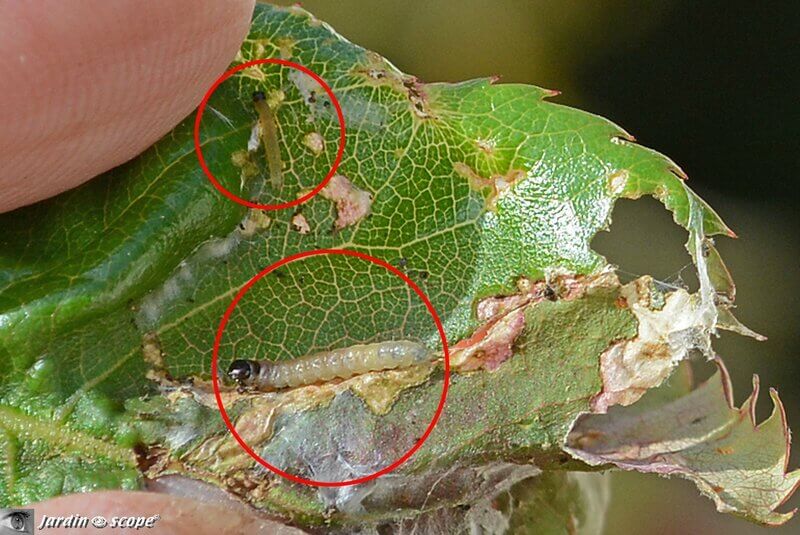
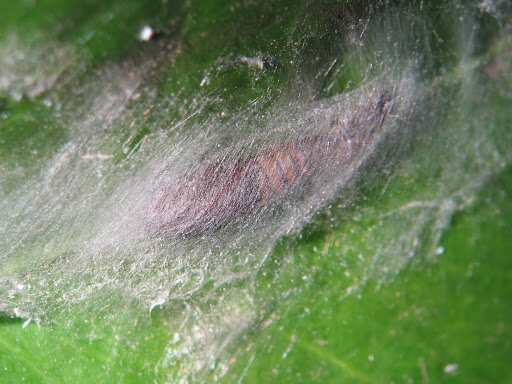
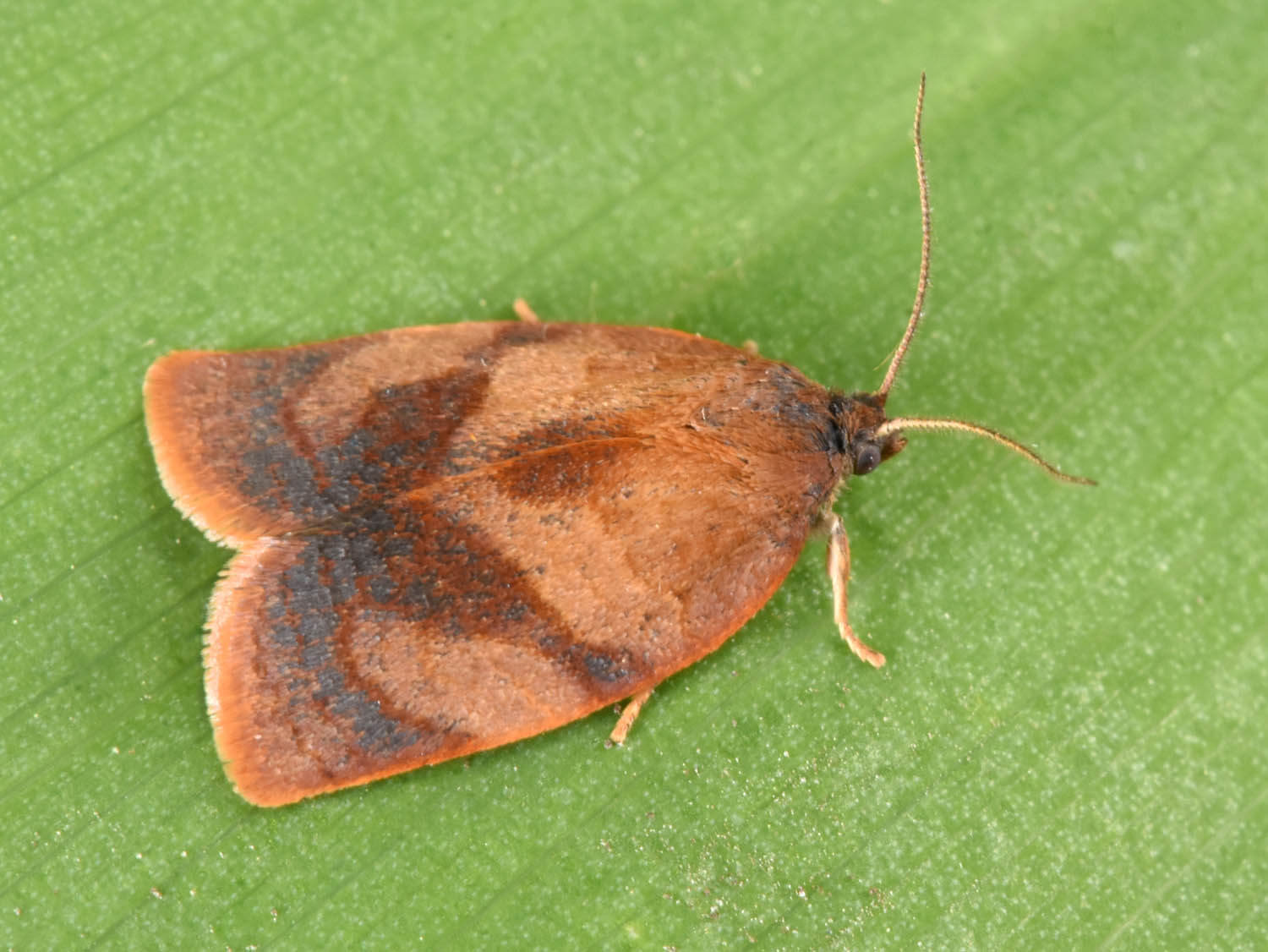
Cacoecimorpha pronubana, commonly known as the cacoecia or carnation worm, is a lepidopteran belonging to the Tortricidae family. Adults are small brown moths with forewings characterized by dark transverse bands. Females lay eggs in groups on the surface of pear leaves. The eggs hatch into larvae that feed on leaf tissue, rolling up the leaves to create a protective shelter. The larvae go through five instars before reaching maturity, at which point they descend to the ground or seek refuge in the bark to pupate. The pupal phase lasts between two and four weeks, depending on environmental conditions, after which the adults emerge to start a new cycle. In temperate climate regions, Cacoecimorpha pronubana may have two to three generations per year, while in warmer climates, generations may increase to four.
.png)
SYMPTOMS
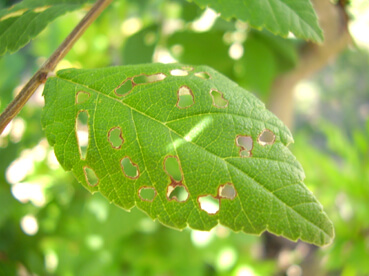
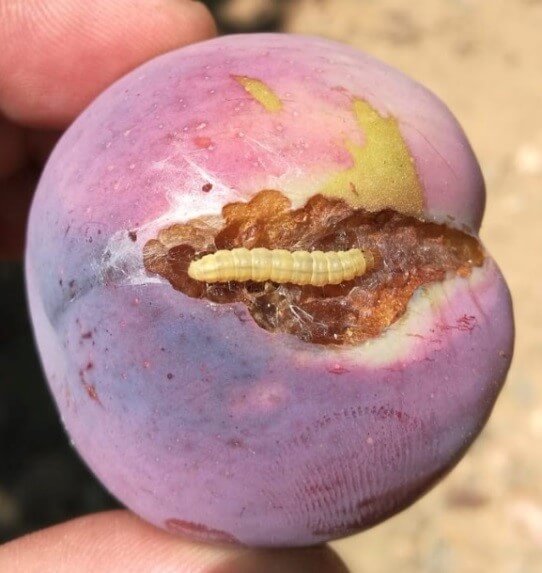
The infestation of Cacoecimorpha pronubana in the pear tree causes various damages that affect both the growth of the tree and the quality of the fruits. The larvae feed on foliage and young shoots, which can cause deformed leaves and stunted growth. In addition, the fruits can be attacked, presenting scars and dents that reduce their commercial value and storage capacity.
- Rolled and damaged leaves.
- Presence of larvae and excrement on the leaves.
- Deformations and delayed growth in new shoots.
- Scars and dents on the fruits.
- Premature fall of damaged fruits.
- Lower quality and size of the fruits.

TEMPERATURE AND HUMIDITY
15°C - 30°C
50% - 80%

TRANSMISSION ROUTES
Wind, Mobility of adults, Infected plant material, Transport of infested fruits
Do you want to remove this disease? Choose how you want to treat it.

TREATMENTS
Chemical treatments
• AZADIRACTIN 1% (AS AZADIRACTIN A) [EC] P/V
• Cacoecimorpha pronubana (Pheromone)
• DELTAMETHRIN 1.57% [SC] P/V
• DELTAMETHRIN 2.5% [EC] P/V
• ESFENVALERATE 2.5% [EC] P/V
• LAMBDA CYHALOTHRIN 1.5% [CS] P/V
• LAMBDA CYHALOTHRIN 10% [CS] P/V
• LAMBDA CYHALOTHRIN 2.5% [WG] P/P
• LAMBDA CYHALOTHRIN 5% [EG] P/P
Authorized treatments in organic farming
• AZADIRACTIN 1% (AS AZADIRACTIN A) [EC] P/V
• Cacoecimorpha pronubana (Pheromone)
• LAMBDA CYHALOTHRIN 1.5% [CS] P/V
• LAMBDA CYHALOTHRIN 10% [CS] P/V
• LAMBDA CYHALOTHRIN 2.5% [WG] P/P
• LAMBDA CYHALOTHRIN 5% [EG] P/P
Biological control
• BACILLUS THURINGIENSIS KURSTAKI (ABTS-351 strain, 640 g/kg) (32 MILLION CLU/g) 64% [WP] P/P
• BACILLUS THURINGIENSIS KURSTAKI (ABTS-351 strain) (32 MILLION CLU/g) 54% (540 g/kg) [WG] P/P
• BACILLUS THURINGIENSIS KURSTAKI (ABTS-351 strain) (32 MILLION CLU/g) 54% [WG] P/P
• BACILLUS THURINGIENSIS KURSTAKI (ABTS-351 strain) 54[WG] P/P
• BACILLUS THURINGIENSIS KURSTAKI (Strain EG 2348) 22.6% (24 x 10E6 UI/g) [SC] P/V
• BACILLUS THURINGIENSIS KURSTAKI (STRAIN PB 54) (16x10E6 IU/G) 9.74% [SC] P/V
• BACILLUS THURINGIENSIS KURSTAKI (STRAIN PB 54) 32% (32 MILLION IU/G) [WP] P/P
• BACILLUS THURINGIENSIS KURSTAKI (Strain SA-11) 85% (32 MILLION IU/G) [WG] P/P
• BACILLUS THURINGIENSIS KURSTAKI (SA-12 strain) 18% ((8.5 X 10^12 CFU/KG)) [WG] P/P
• BACILLUS THURINGIENSIS KURSTAKI (EG 2348) (24x106 I.U./G) 18.3% [SC] P/V
Recommendations
- Regularly monitor trees for the presence of eggs, larvae or initial damage.
- Use pheromone traps to capture adults and reduce the pest population.
- Implement biological control programs through the introduction of specific parasitoids and natural predators of Cacoecimorpha pronubana.
- Apply insecticide treatments at critical times, especially during the first larval stages.
- Promote cultural practices such as pruning and elimination of affected parts to reduce the habitat of the larvae.
- Practice integrated pest management, combining biological, cultural and chemical methods to minimize the use of insecticides.
- Keep the garden clean and free of weeds that could serve as a refuge for the larvae.
- Promote biodiversity in the garden to increase the presence of natural enemies of the pest.
- Apply preventive treatments at times of highest risk of infestation, based on monitoring and environmental conditions.
Sponsored link

Sponsored link


Sponsored link
Sponsored link
Sponsored link


Sponsored link
Sponsored link
Effective against all types of fungi

Sponsored link


Sponsored link
Sponsored link

Sponsored link


Sponsored link
*The recommended treatments are recommendations based on the authorities' databases and do not replace in any way the guidelines established by the legislation of each country.
*Products shown are recommendations and not our own products. As Amazon Associates, we earn revenue from purchases of recommended products.

TREATMENTS
Homemade remedies
There are no home treatments
Natural allies
Chemical treatments
There are no treatments for this disease. Treatments are directed at the insect vectors that transmit it. See insect treatments.

RECOMMENDATIONS

REPELLENT PLANTS
EFFECTIVE PRODUCTS TO ELIMINATE THIS DISEASE
Sponsored link
Sponsored link
Sponsored link
Sponsored link
Sponsored link
Sponsored link
Sponsored link
Effective against all types of fungi
Sponsored link
Sponsored link
Sponsored link
Sponsored link
Sponsored link
*The recommended treatments are recommendations based on the authorities' databases and do not replace in any way the guidelines established by the legislation of each country.
*Products shown are recommendations and not our own products. As Amazon Associates, we earn revenue from purchases of recommended products.

Enjoy idMicrobe TOTALLY FREE, with no trial periods.


