

Gray Worms
Agrotis Ssp.
Pathogen:
Type:
Insect
Risk:
HIGH
Apio
Orugas o gusanos

WHO CAUSES IT?
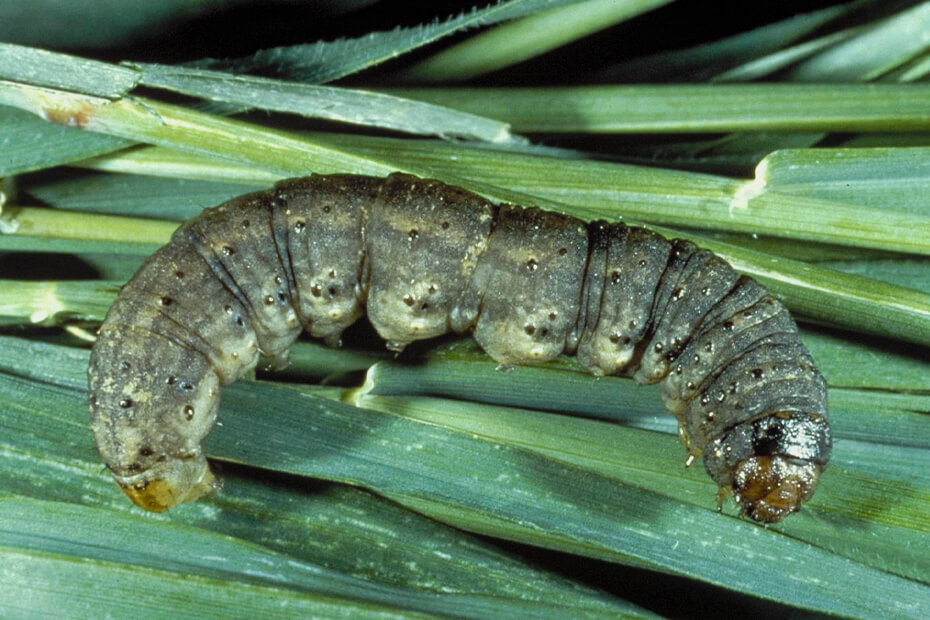
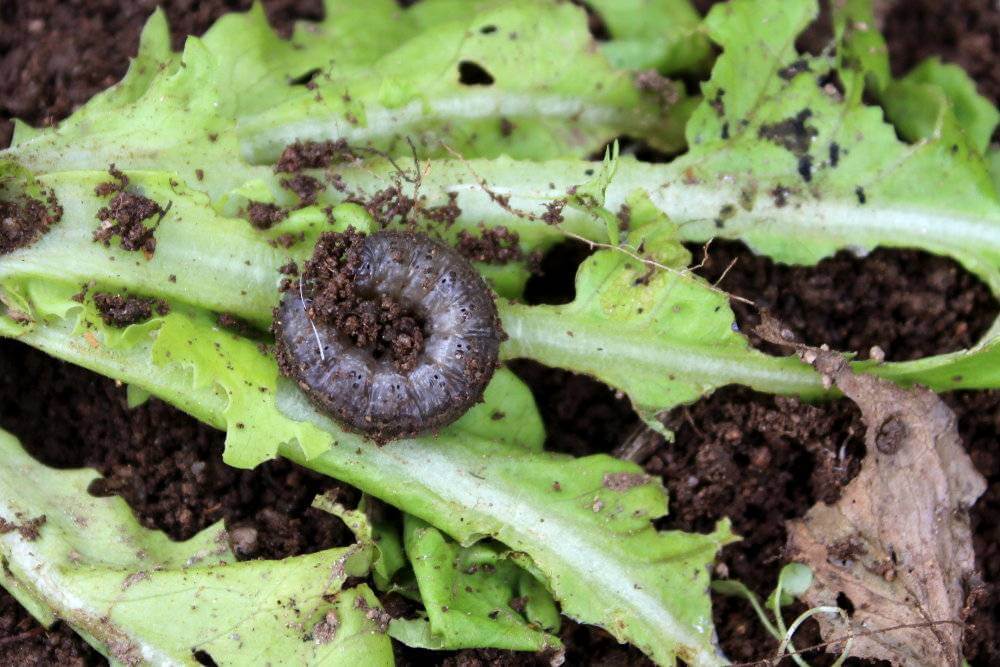
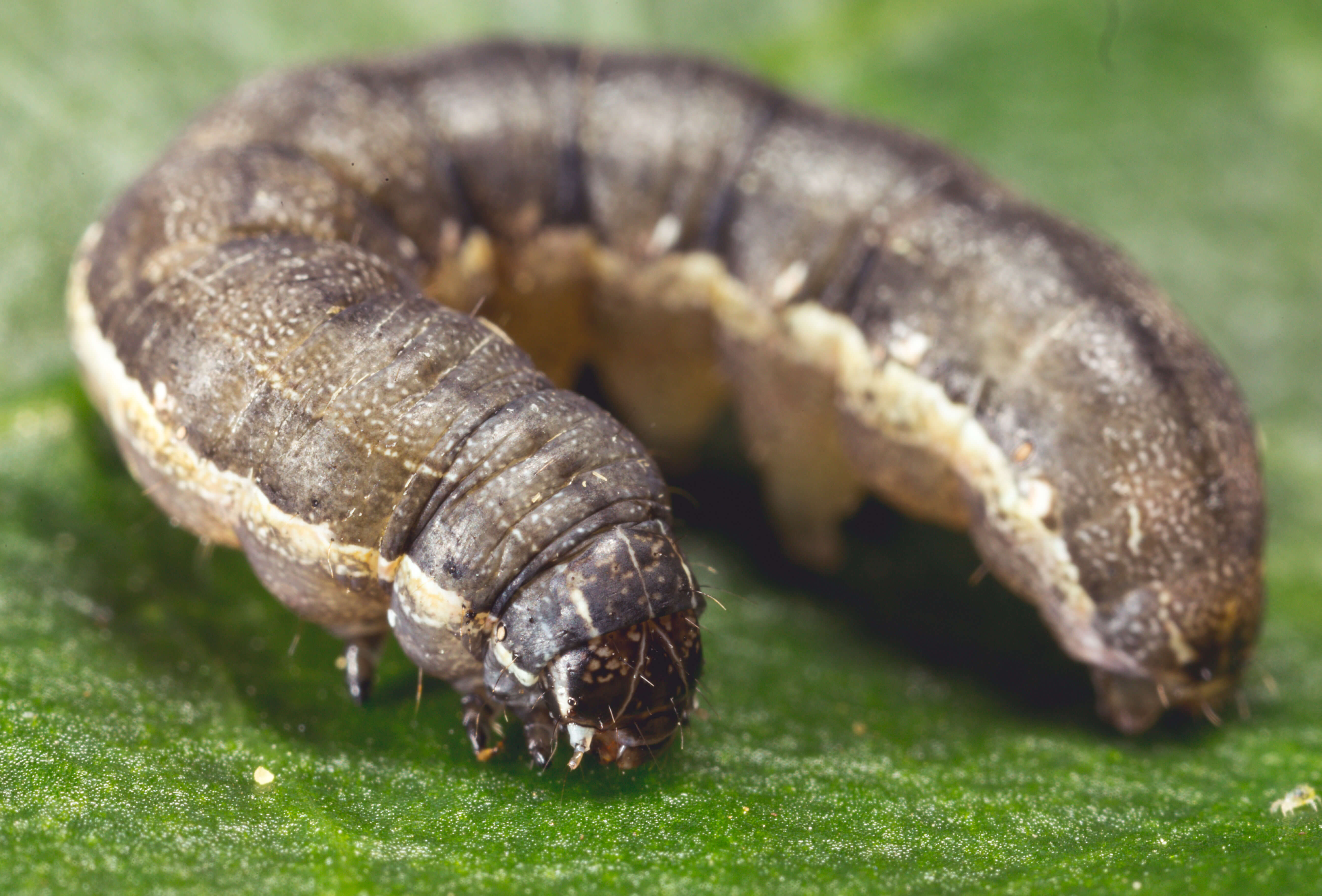
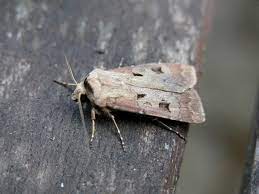
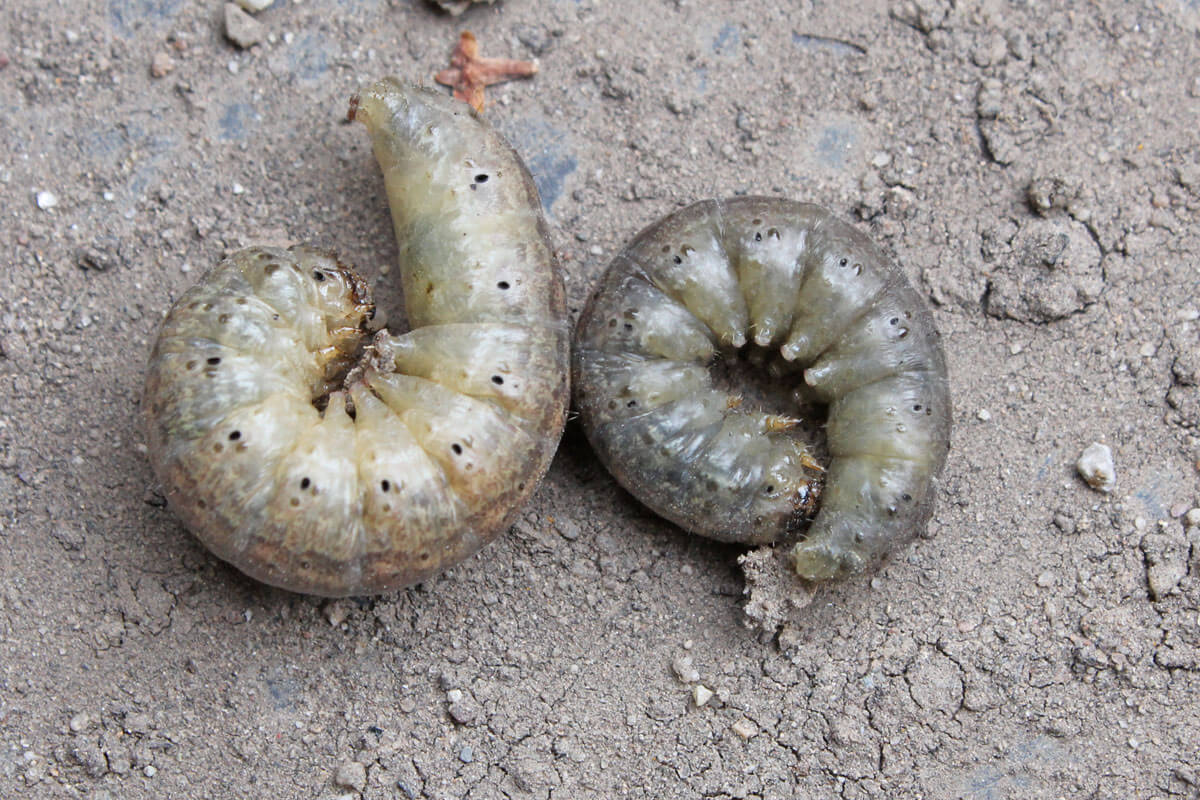
Agrotis spp., commonly known as gray grubs, are noctuid lepidopterans that affect a wide variety of crops, including celery. These insects go through several stages of development: egg, larva, pupa and adult. Adult females lay their eggs in the soil or at the base of plants, which hatch within a few days. The larvae, known as gray worms, emerge and remain in the soil during the day, feeding at night. During their larval development, which can last several weeks, they go through several molts and become larger and darker. Mature larvae burrow into the soil to pupate, pupating in an earthen cocoon. The pupal period can last several weeks depending on the temperature, after which the adults emerge to complete the cycle. Gray worms can have several generations a year, especially in warm climates.
.png)
SYMPTOMS
The disease caused by Agrotis spp., known as gray worms, affects celery significantly. The larvae feed on the roots, stems and leaves of the plant, causing extensive damage that can lead to the death of the plant. The first signs of infestation include wilting and weak plants, followed by the appearance of holes in the leaves and damage to the base of the stems. As the infestation progresses, the plants may be completely destroyed.
- Withered and weak plants.
- Holes in the leaves.
- Damage to the base of the stems.
- Damaged roots.
- Complete destruction of plants in severe infestations.
- Death of the plant in extreme cases.

TEMPERATURE AND HUMIDITY
15-25°C
60-80%

TRANSMISSION ROUTES
Direct contact, Contaminated plant material, Agricultural machinery, Transport of infected plants, Dispersal of adults, Soil movement
Do you want to remove this disease? Choose how you want to treat it.

TREATMENTS
Chemical treatments
• DELTAMETHRIN 1.57% [SC] P/V
• DELTAMETHRIN 10% [EC] P/V
• DELTAMETHRIN 2.5% [EC] P/V
• LAMBDA CYHALOTHRIN 0.4% [GR] P/P
• TEFLUTRIN 0.5% [GR] P/P
Authorized treatments in organic farming
• LAMBDA CYHALOTHRIN 0.4% [GR] P/P
Biological control
• BACILLUS THURINGIENSIS AIZAWAI (ABTS-1857 strain, 540 g/kg) (15 million CLU/g) 54% [WG] P/P
• BACILLUS THURINGIENSIS KURSTAKI (EG 2348) (24x106 I.U./G) 18.3% [SC] P/V
• STEINERNEMA CARPOCAPSAE (Parasitoid and predatory nematodes)
• STEINERNEMA FELTIAE (Parasitoid and predatory nematodes)
Recommendations
- Regularly monitor crops for early signs of infestation.
- Use pheromone traps to capture and monitor the adult population.
- Implement crop rotation to interrupt the life cycle of gray worms.
- Apply treatments with entomopathogenic nematodes to control larvae in the soil.
- Encourage the presence of natural enemies such as birds and rodents that feed on larvae.
- Maintain adequate field hygiene by eliminating crop residues and weeds.
- Avoid excess watering that can favor conditions for the pest.
- Carry out phytosanitary treatments with specific insecticides when the first signs of infestation are detected.
Sponsored link

Sponsored link


Sponsored link
Sponsored link
Sponsored link


Sponsored link
Sponsored link
Effective against all types of fungi

Sponsored link


Sponsored link
Sponsored link

Sponsored link


Sponsored link
*The recommended treatments are recommendations based on the authorities' databases and do not replace in any way the guidelines established by the legislation of each country.
*Products shown are recommendations and not our own products. As Amazon Associates, we earn revenue from purchases of recommended products.

TREATMENTS
Homemade remedies
There are no home treatments
Natural allies
Chemical treatments
There are no treatments for this disease. Treatments are directed at the insect vectors that transmit it. See insect treatments.

RECOMMENDATIONS

REPELLENT PLANTS
EFFECTIVE PRODUCTS TO ELIMINATE THIS DISEASE
Sponsored link
Sponsored link
Sponsored link
Sponsored link
Sponsored link
Sponsored link
Sponsored link
Effective against all types of fungi
Sponsored link
Sponsored link
Sponsored link
Sponsored link
Sponsored link
*The recommended treatments are recommendations based on the authorities' databases and do not replace in any way the guidelines established by the legislation of each country.
*Products shown are recommendations and not our own products. As Amazon Associates, we earn revenue from purchases of recommended products.

Enjoy idMicrobe TOTALLY FREE, with no trial periods.


