

Cyst Nematode
Heterodera Schachtii
Pathogen:
Type:
Nematode
Risk:
CRITICAL
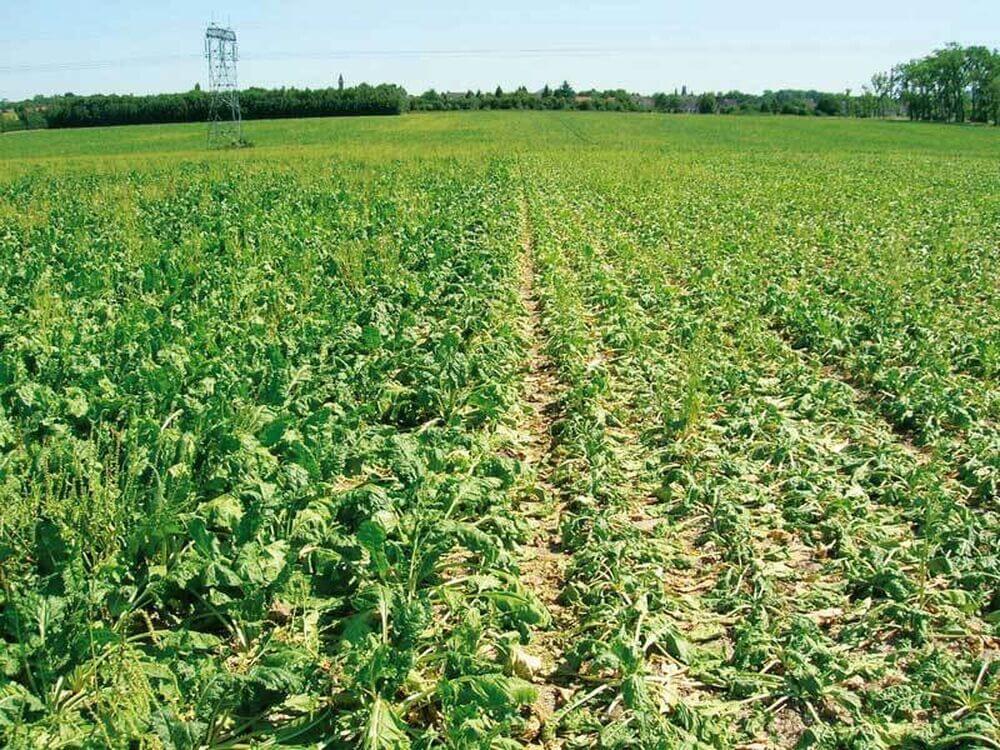
Remolacha azucarera
Nematodos

WHO CAUSES IT?
Heterodera schachtii is a parasitic nematode that belongs to the Heteroderidae family. This organism is responsible for the disease known as cyst nematode, which affects a wide variety of crops, especially sugar beets. Adult nematodes are small threadlike worms, with males being motile and females sedentary. Fertilized females develop into cysts, protective egg-filled structures that can contain hundreds of embryos. These cysts remain in the soil until conditions are suitable for the hatching of juveniles, which are the infectious phase. Second-instar juveniles emerge from the cyst and penetrate the roots of the host plant, where they feed and develop, causing damage to the plant. Eventually, the mature females transform into new cysts, restarting the cycle and facilitating the spread of the nematode in the field.
.png)
SYMPTOMS
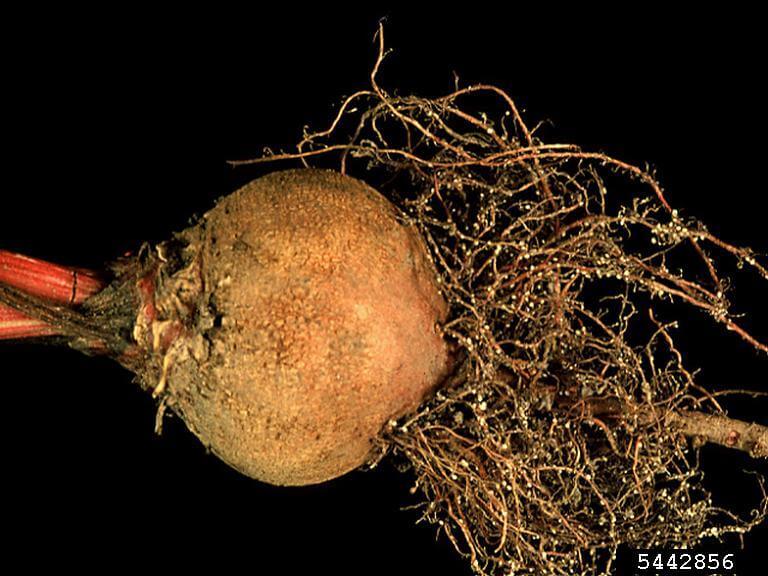
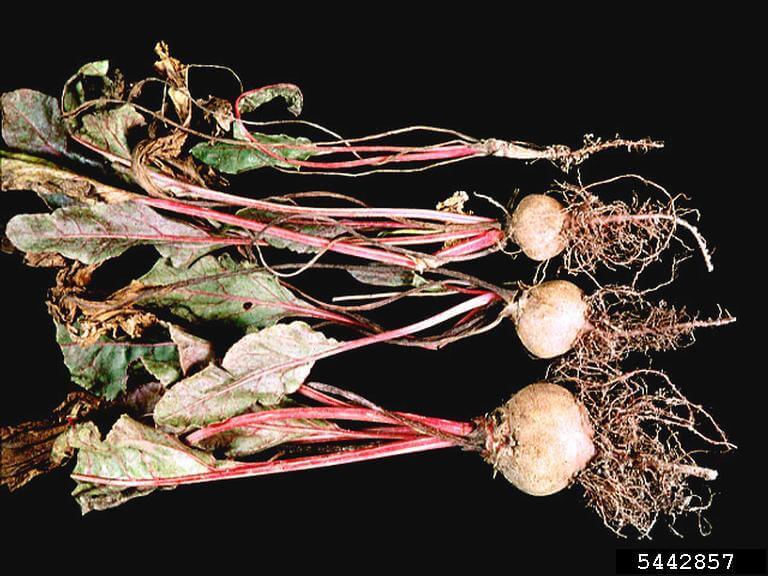
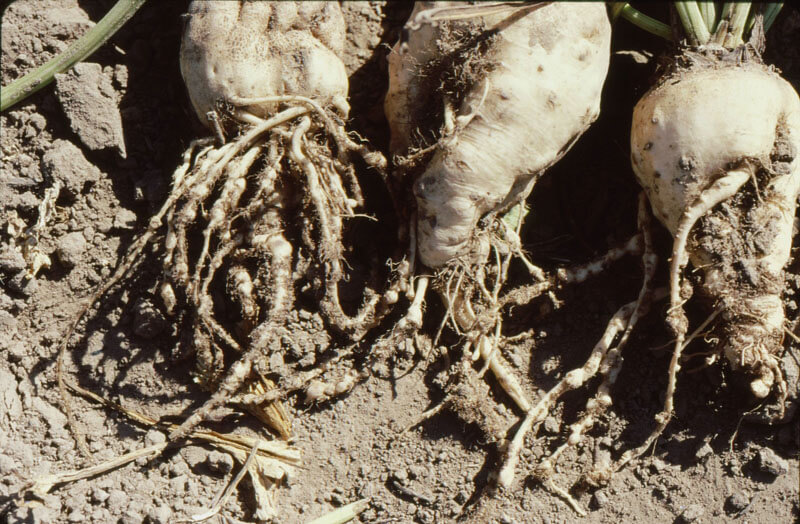
Sugar beets affected by Heterodera schachtii experience a range of symptoms that reflect damage to the roots and reduced ability of the plant to absorb water and nutrients. Nematodes penetrate the roots, where they form feeding structures that interfere with the normal flow of nutrients. This results in poor growth and a reduction in crop quality and yield.
- Yellowing and wilting of leaves.
- Uneven plant growth.
- Swollen and deformed roots.
- Presence of white or brown cysts on the roots.
- Reduction in sugar production.
- Smaller root size.
- Difficulty in absorbing water and nutrients.


TEMPERATURE AND HUMIDITY
18°C - 28°C
50% - 70%

TRANSMISSION ROUTES
Irrigation water, contaminated tools, soil movement, infested plants, wind, agricultural machinery
Do you want to remove this disease? Choose how you want to treat it.

TREATMENTS
Chemical treatments
• Azadirachtin 2.6% (AS AZADIRACTIN A) [EC] P/V
Authorized treatments in organic farming
• Azadirachtin 2.6% (AS AZADIRACTIN A) [EC] P/V
Biological control
• BACILLUS FIRMUS I-1582 5% [WP] P/P
• PURPUREOCILLIUM LILACINUM (CEPA 251) 21.6% [DC] P/V
• STEINERNEMA CARPOCAPSAE (Parasitoid and predatory nematodes)
Recommendations
- Rotate crops with non-host plants to reduce nematode populations in the soil.
- Use beet varieties resistant to Heterodera schachtii.
- Apply chemical nematicides in a controlled manner and according to technical recommendations.
- Implement tillage practices that expose cysts to adverse conditions.
- Maintain good field hygiene, eliminating crop remains that may harbor cysts.
- Increase soil organic matter to improve overall soil health and promote natural nematode antagonists.
- Use green manures and trap crops that attract and kill juvenile nematodes.
- Carry out regular monitoring of the soil and roots to detect and quantify the presence of nematodes.
- Avoid transplanting plants or using contaminated soil in unaffected areas.
- Promote the use of specific biocontrollers for nematodes.
Sponsored link
Sponsored link


Sponsored link
Sponsored link
Sponsored link


Sponsored link
Sponsored link
Effective against all types of fungi

Sponsored link


Sponsored link
Sponsored link

Sponsored link


Sponsored link
*The recommended treatments are recommendations based on the authorities' databases and do not replace in any way the guidelines established by the legislation of each country.
*Products shown are recommendations and not our own products. As Amazon Associates, we earn revenue from purchases of recommended products.

TREATMENTS
Homemade remedies
There are no home treatments
Natural allies
Chemical treatments
There are no treatments for this disease. Treatments are directed at the insect vectors that transmit it. See insect treatments.

RECOMMENDATIONS

REPELLENT PLANTS
EFFECTIVE PRODUCTS TO ELIMINATE THIS DISEASE
Sponsored link
Sponsored link
Sponsored link
Sponsored link
Sponsored link
Sponsored link
Sponsored link
Effective against all types of fungi
Sponsored link
Sponsored link
Sponsored link
Sponsored link
Sponsored link
*The recommended treatments are recommendations based on the authorities' databases and do not replace in any way the guidelines established by the legislation of each country.
*Products shown are recommendations and not our own products. As Amazon Associates, we earn revenue from purchases of recommended products.

Enjoy idMicrobe TOTALLY FREE, with no trial periods.


