

Root Rot
Rhizoctonia Solani
Pathogen:
Type:
Fungus
Risk:
HIGH
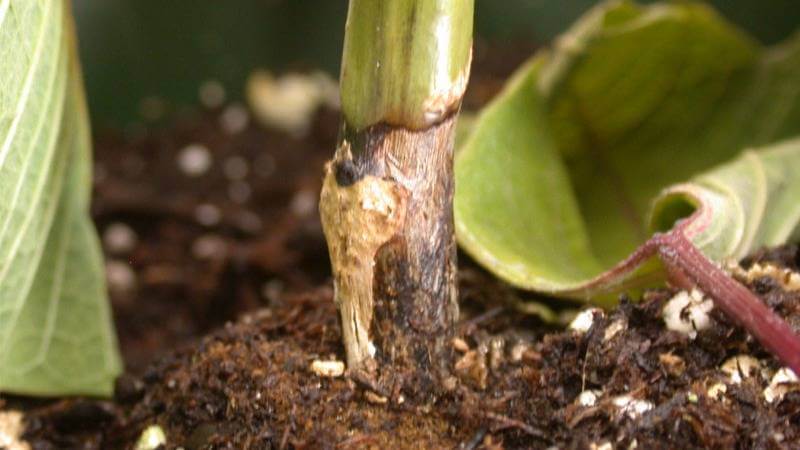
Calabaza
Pudrición de raíz y tallo
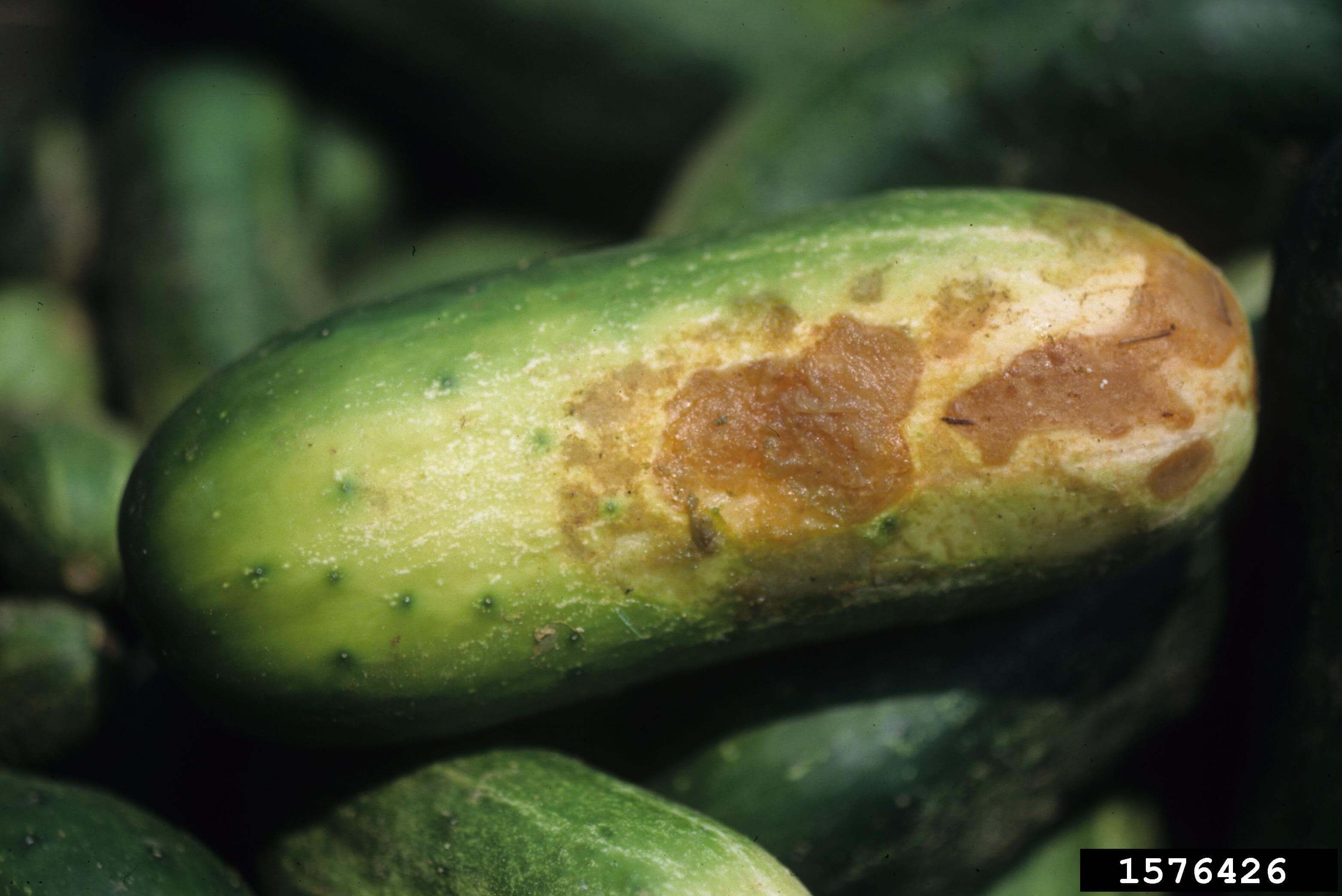

WHO CAUSES IT?
Rhizoctonia solani is a phytopathogenic fungus that causes the disease known as root rot in pumpkin plants. This pathogen has a complex life cycle that begins with the production of survival structures, such as mycelium and sclerotia, in the soil. These structures can remain dormant in the soil for long periods and germinate when conditions are favorable, infecting the roots of host plants. Once inside the plant, the fungus spreads through the vascular tissue, causing damage and rot to the roots.
.png)
SYMPTOMS
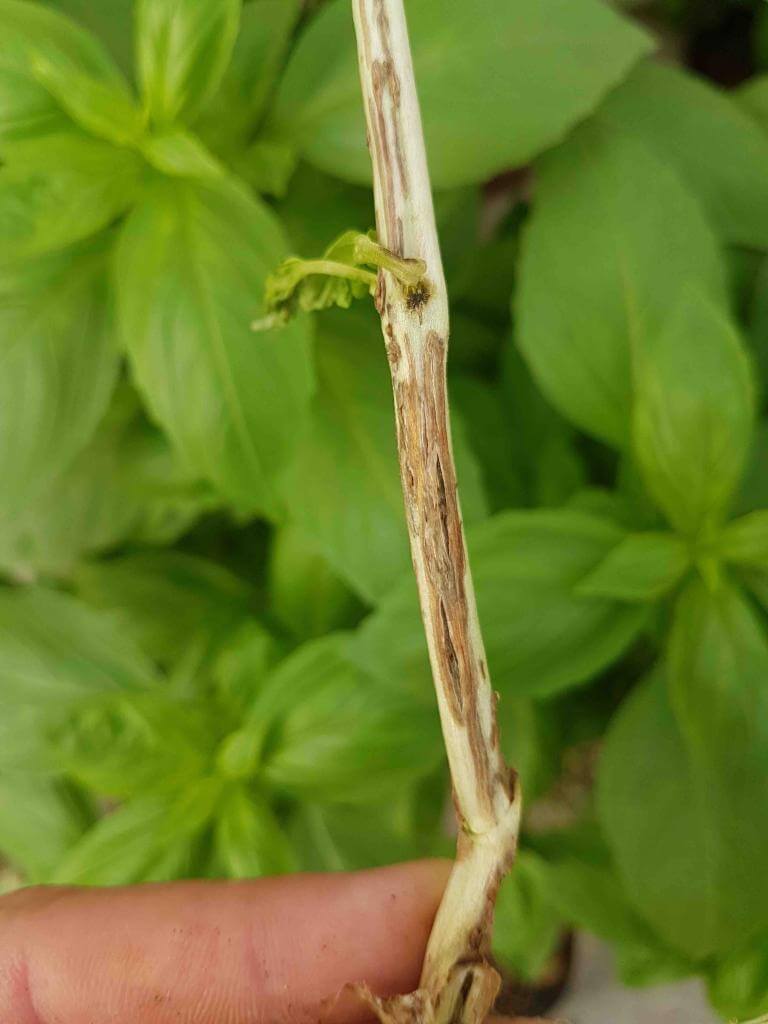
Root rot caused by Rhizoctonia solani produces a number of general symptoms in squash plants, including:
- Withering of the plant.
- Yellowing and necrosis of the leaves.
- Reduction in root growth and development.
- Rotting and decomposition of the root system.
- Possible premature death of the plant.


TEMPERATURE AND HUMIDITY
20°C - 30°C
70% - 80%

TRANSMISSION ROUTES
Sclerotia in the soil, remains of infected crops, contaminated seeds
Do you want to remove this disease? Choose how you want to treat it.

TREATMENTS
Chemical treatments
• AZOXISTROBIN 25% [SC] P/V
Authorized treatments in organic farming
-
Biological control
• BACILLUS AMYLOLIQUEFACIENS subsp. plantarum (strain D747) 5% [SC] P/V
• BACILLUS SUBTILIS (STRAIN QST 713) 1.34% [SC] P/V
• CLONOSTACHYS ROSEA CEPA J1446 (GLIOCLADIUM CATENULATUM (CEPA J1446)) (1 x 10E 9 cfu/g) 900 g/kg [WG] P/P
• GLIOCLADIUM CATENULATUM (STRAIN J1446) 32% (2 X 10E8 CFU/G) [WP] P/P
• TRICHODERMA ASPERELLUM (STRAIN T25) (1X10E8 CFU/G) 0.5% + TRICHODERMA ATROVIRIDE (STRAIN T11) (1X10E8 CFU/G) 0.5% [WG] P/P
• TRICHODERMA ATROVIRIDE (STRAIN I-1237) (1x10E8 cfu/g) 5% [WP] P/P
Recommendations
- Practice crop rotation to reduce the presence of sclerotia in the soil.
- Use healthy seedlings free of infections to avoid the introduction of the pathogen into the crop.
- Improve soil drainage to reduce excessive humidity, which favors the development of the disease.
- Apply preventive fungicides at critical moments in crop development.
- Carry out integrated pest management practices to reduce the pathogen population in the soil.
- Promote soil health through regenerative agriculture practices.
Sponsored link
Sponsored link


Sponsored link
Sponsored link
Sponsored link


Sponsored link
Sponsored link
Effective against all types of fungi

Sponsored link


Sponsored link
Sponsored link

Sponsored link


Sponsored link
*The recommended treatments are recommendations based on the authorities' databases and do not replace in any way the guidelines established by the legislation of each country.
*Products shown are recommendations and not our own products. As Amazon Associates, we earn revenue from purchases of recommended products.

TREATMENTS
Homemade remedies
There are no home treatments
Natural allies
Chemical treatments
There are no treatments for this disease. Treatments are directed at the insect vectors that transmit it. See insect treatments.

RECOMMENDATIONS

REPELLENT PLANTS
EFFECTIVE PRODUCTS TO ELIMINATE THIS DISEASE
Sponsored link
Sponsored link
Sponsored link
Sponsored link
Sponsored link
Sponsored link
Sponsored link
Effective against all types of fungi
Sponsored link
Sponsored link
Sponsored link
Sponsored link
Sponsored link
*The recommended treatments are recommendations based on the authorities' databases and do not replace in any way the guidelines established by the legislation of each country.
*Products shown are recommendations and not our own products. As Amazon Associates, we earn revenue from purchases of recommended products.

Enjoy idMicrobe TOTALLY FREE, with no trial periods.


