

Worms
Spodoptera Frugiperda, Helicoverpa Zea, Agrotis Ípsilon, Argyrotaenia Sp. ,Etc...
Pathogen:
Type:
Insect
Risk:
HIGH

Frambuesa
Orugas o gusanos


WHO CAUSES IT?
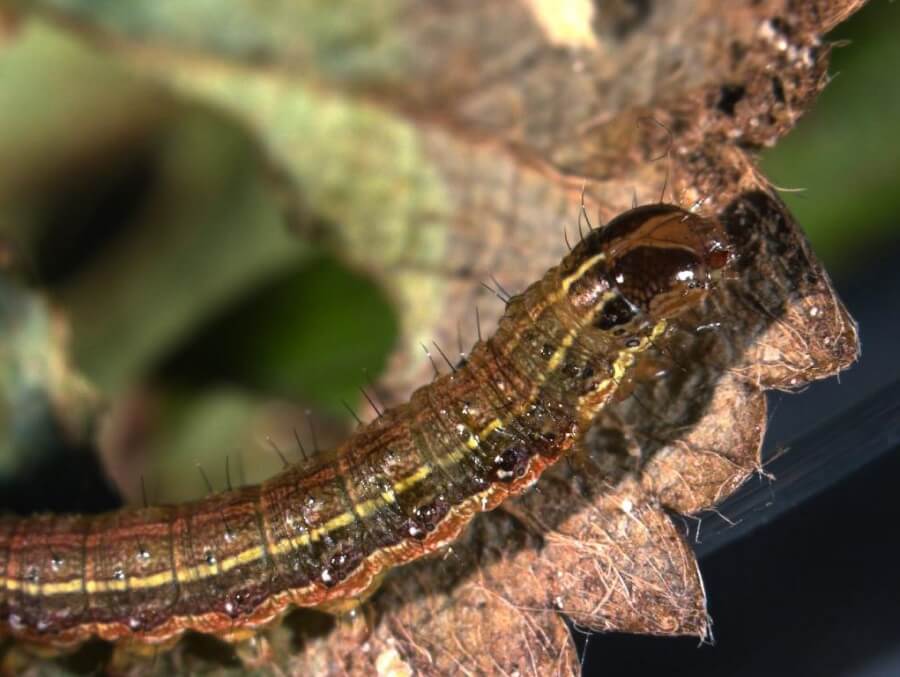
The pathogens Spodoptera frugiperda, Helicoverpa zea, Agrotis ipsilon and Argyrotaenia sp. They are lepidopterans whose larvae feed on a wide variety of cultivated plants, including raspberries. These insects go through several stages of development, beginning with laying eggs on the leaves of the host plant. Once the eggs hatch, the young larvae begin feeding voraciously on leaves and other plant tissues. As the larvae grow, they go through several larval stages, increasing in size and destructive capacity. After completing their larval development, the larvae pupate in the soil or in plant remains, transforming into pupae that later emerge as adults. The adults mate and the females lay new eggs, completing the infestation cycle. The ability of these insects to reproduce quickly and their mobility increase the risk of spread and damage to raspberry crops.
.png)
SYMPTOMS
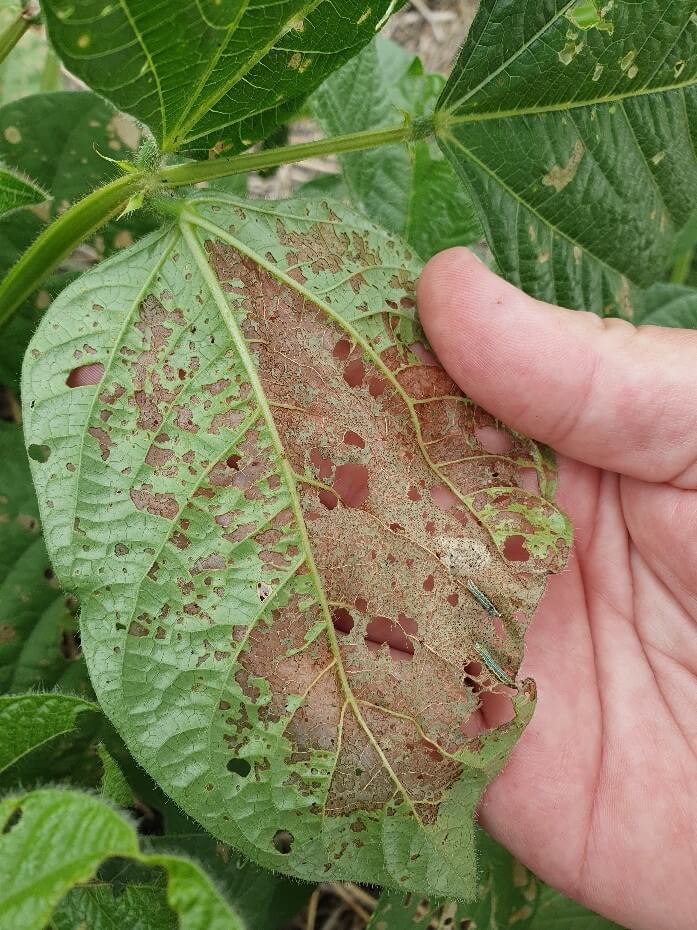
The infestation of worms in raspberries causes serious damage to the plant, affecting both its development and the quality and quantity of the harvest. The larvae feed mainly on leaves, shoots and fruits, weakening the plant and reducing its photosynthesis capacity. The affected plant shows symptoms that include perforations in leaves and fruits, premature leaf drop, and damage to buds and flowers, resulting in reduced fruit production and quality.
- Holes and perforations in leaves and fruits.
- Partial or complete defoliation of the plant.
- Loss of buds and flowers.
- Damaged and malformed fruits.
- Reduction in the quantity and quality of the harvest.
- Presence of larval excrement on leaves and fruits.
- General weakening of the plant.


TEMPERATURE AND HUMIDITY
20°C - 30°C
60% - 80%

TRANSMISSION ROUTES
Wind, adult insects, movement of infected plants, contaminated cultivation tools, infested soil, transport of infested fruits
Do you want to remove this disease? Choose how you want to treat it.

TREATMENTS
Chemical treatments
• LAMBDA CYHALOTHRIN 10% [CS] P/V
Authorized treatments in organic farming
• LAMBDA CYHALOTHRIN 10% [CS] P/V
Biological control
• BEAUVERIA BASSIANA (STRAIN ATCC 74040) 2.3% (2.3X10E7 VIABLE SPORES/ML) [OD] P/V
Recommendations
- Regularly monitor crops to detect the presence of eggs and larvae early.
- Implement physical barriers such as nets or protective covers to prevent oviposition by adults.
- Use pheromone traps to capture adults and reduce the insect population.
- Apply biological treatments with natural enemies such as parasitoid wasps and entomopathogenic nematodes.
- Rotate crops and avoid continuous planting of raspberries in the same place to reduce the accumulation of pests in the soil.
- Keep the field clean of plant debris and weeds that can serve as shelter for larvae and pupae.
- Use specific insecticides in a controlled and rotating manner to prevent the development of resistance.
- Promote biodiversity in the agricultural environment to favor the presence of natural predators of pests.
- Apply preventive treatments at critical moments in the pest cycle, such as larvae emergence.
- Carry out integrated pest management (IPM) practices to combine chemical, biological and cultural control methods.
Sponsored link

Sponsored link


Sponsored link
Sponsored link
Sponsored link


Sponsored link
Sponsored link
Effective against all types of fungi

Sponsored link


Sponsored link
Sponsored link

Sponsored link


Sponsored link
*The recommended treatments are recommendations based on the authorities' databases and do not replace in any way the guidelines established by the legislation of each country.
*Products shown are recommendations and not our own products. As Amazon Associates, we earn revenue from purchases of recommended products.

TREATMENTS
Homemade remedies
There are no home treatments
Natural allies
Chemical treatments
There are no treatments for this disease. Treatments are directed at the insect vectors that transmit it. See insect treatments.

RECOMMENDATIONS

REPELLENT PLANTS
EFFECTIVE PRODUCTS TO ELIMINATE THIS DISEASE
Sponsored link
Sponsored link
Sponsored link
Sponsored link
Sponsored link
Sponsored link
Sponsored link
Effective against all types of fungi
Sponsored link
Sponsored link
Sponsored link
Sponsored link
Sponsored link
*The recommended treatments are recommendations based on the authorities' databases and do not replace in any way the guidelines established by the legislation of each country.
*Products shown are recommendations and not our own products. As Amazon Associates, we earn revenue from purchases of recommended products.

Enjoy idMicrobe TOTALLY FREE, with no trial periods.


