

Red spider
Tetranychus urticae
Pathogen:
Type:
Insect
Risk:
HIGH
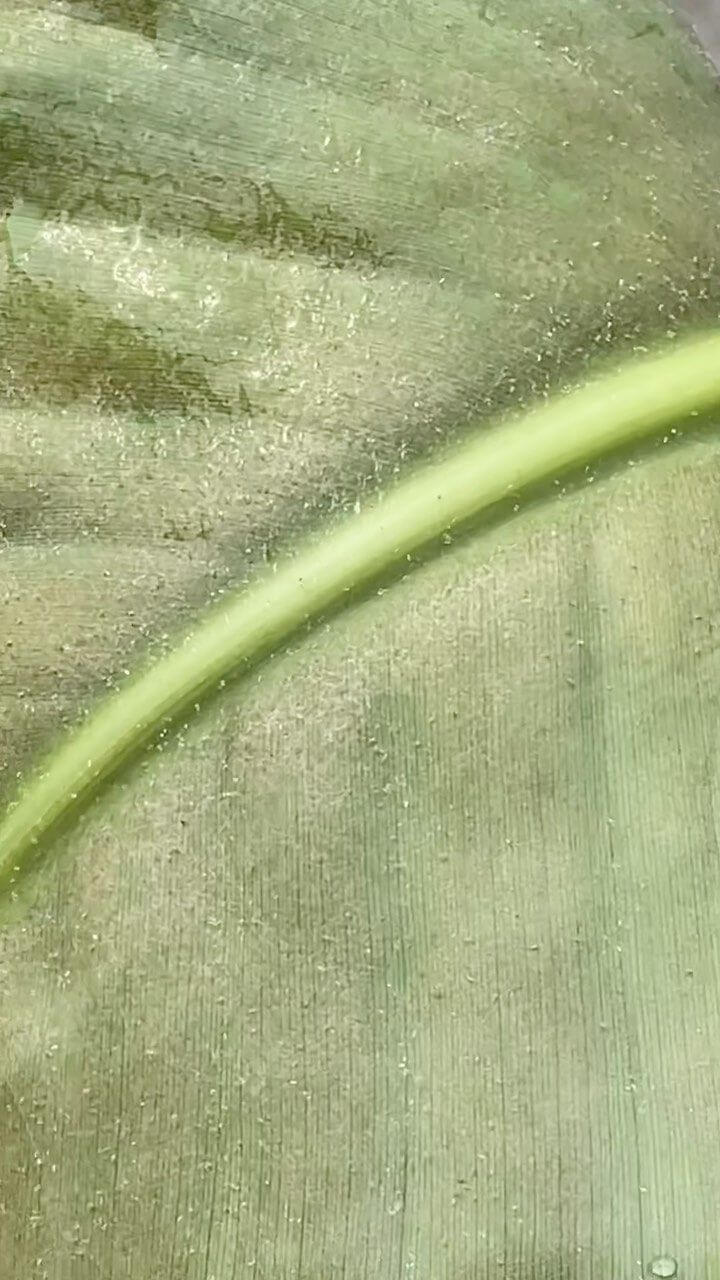
Platanera
Araña roja

WHO CAUSES IT?
Tetranychus urticae, known as the red spider, is a small phytophagous mite that feeds on the sap of numerous plants, including the banana tree. It reproduces rapidly in hot, dry conditions, allowing it to develop multiple generations in a short time. The adult female lays her eggs on the underside of the leaves, where the larvae emerge and begin feeding immediately. These larvae go through several phases of development: protonymph, deutonymph and finally adult. Throughout its growth, the mite produces fine cobwebs that protect the colony and facilitate its dispersion. Its ability to adapt to different conditions and its resistance to certain acaricides make it a difficult pest to control. The speed with which it multiplies and its ability to disperse by wind or through contact with other hosts favor its expansion within the crop.
.png)
SYMPTOMS
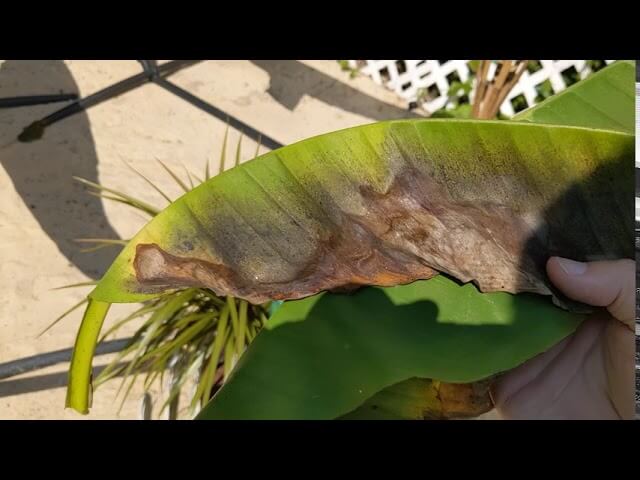
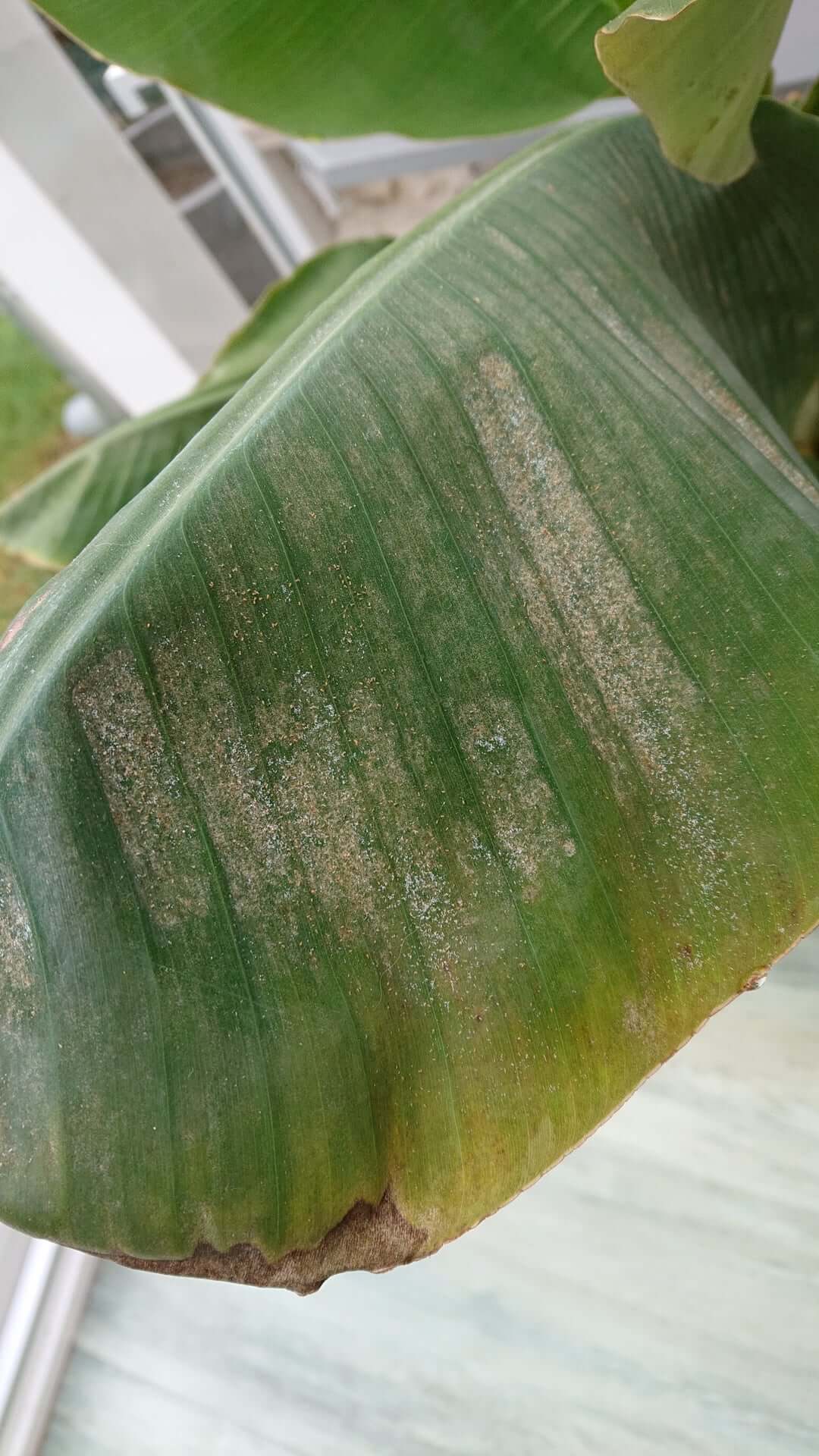
The banana tree infested by the red spider experiences progressive weakening due to the suction of the sap by the mites. The loss of chlorophyll reduces the photosynthetic capacity of the plant, causing delayed growth and reduced fruit production. As the mite population increases, the damage becomes more evident, affecting the quality and development of the leaves.
- Appearance of small yellow or brown dots on the surface of the leaves.
- Discoloration and progressive tanning of the foliage.
- Presence of fine cobwebs on the underside of the leaves and stems.
- Loss of vigor and slowed growth.
- Reduction in the quality and size of the fruits.
- Premature defoliation in severe cases.


TEMPERATURE AND HUMIDITY
20°C - 35°C
30% - 60%

TRANSMISSION ROUTES
Wind, contact between infested plants, contaminated agricultural tools, workers' clothing, vector insects
Do you want to remove this disease? Choose how you want to treat it.

TREATMENTS
Chemical treatments
• ABAMECTINE 1,8 % [CE] P/V
• HUILE D'ORANGE 60g/L [ME] P/S
• HUILE DE PARAFFINE (CAS [8042-47-5]) 54,6 % [EW] P/V
• HUILE DE PARAFFINE (CAS [97862-82-3]) 80% [EC] P/V
• HUILE DE PARAFFINE 83 % [EC] P/V
• SOUFRE 80 % [DP] P/P
• SOUFRE 80 % [SC] P/V
• SOUFRE 80 % [WG] P/P
• SOUFRE 80 % [WP] P/P
Authorized treatments in organic farming
• HUILE D'ORANGE 60g/L [ME] P/S
• HUILE DE PARAFFINE (CAS [8042-47-5]) 54,6 % [EW] P/V
• HUILE DE PARAFFINE (CAS [97862-82-3]) 80% [EC] P/V
• HUILE DE PARAFFINE 83 % [EC] P/V
• SOUFRE 80 % [DP] P/P
• SOUFRE 80 % [SC] P/V
• SOUFRE 80 % [WG] P/P
• SOUFRE 80 % [WP] P/P
Biological control
• AMBLYSEIUS ANDERSONI (acariens parasitoïdes et prédateurs)
• BEAUVERIA BASSIANA (SOUCHE ATCC 74040) 2,3% (2,3X10E7 SPORES VIABLES/ML) [OD] P/V
• BEAUVERIA BASSIANA (SOUCHE GHA) 10,7% (2,26X10E13 CONIDIAS/L) [OD] P/V
• FELTIELLA ACARISUGA (moucheron prédateur)
• MACROLOPHUS PYGMAEUS (punaise prédatrice)
• NEOSEIULUS CALIFORNICUS (acariens parasitoïdes et prédateurs)
• PHYTOSEIULUS PERSIMILIS (acariens parasitoïdes et prédateurs)
Recommendations
- Maintain constant surveillance of the crop to detect the first signs of infestation and act immediately.
- Promote the presence of natural enemies such as predatory mites (Phytoseiulus persimilis) and lacewings that help reduce the red spider population.
- Avoid water stress and maintain adequate humidity in the crop, since dryness favors the proliferation of the pest.
- Apply foliar washes with pressurized water to eliminate mites and their cobwebs from the leaves.
- Implement rotations of acaricides with different modes of action to avoid the appearance of resistance.
- Use botanical extracts or mineral oils as an alternative to synthetic acaricides in preventive treatments.
- Remove and destroy affected leaves in initial infestations to prevent the spread of the pest.
- Avoid excessive use of broad-spectrum insecticides that can eliminate the natural enemies of the red spider.
Sponsored link
Sponsored link


Sponsored link
Sponsored link
Sponsored link


Sponsored link
Sponsored link
Effective against all types of fungi

Sponsored link


Sponsored link
Sponsored link

Sponsored link


Sponsored link
*The recommended treatments are recommendations based on the authorities' databases and do not replace in any way the guidelines established by the legislation of each country.
*Products shown are recommendations and not our own products. As Amazon Associates, we earn revenue from purchases of recommended products.

TREATMENTS
Homemade remedies
There are no home treatments
Natural allies
Chemical treatments
There are no treatments for this disease. Treatments are directed at the insect vectors that transmit it. See insect treatments.

RECOMMENDATIONS

REPELLENT PLANTS
EFFECTIVE PRODUCTS TO ELIMINATE THIS DISEASE
Sponsored link
Sponsored link
Sponsored link
Sponsored link
Sponsored link
Sponsored link
Sponsored link
Effective against all types of fungi
Sponsored link
Sponsored link
Sponsored link
Sponsored link
Sponsored link
*The recommended treatments are recommendations based on the authorities' databases and do not replace in any way the guidelines established by the legislation of each country.
*Products shown are recommendations and not our own products. As Amazon Associates, we earn revenue from purchases of recommended products.

Enjoy idMicrobe TOTALLY FREE, with no trial periods.


