

Alternariosis
Alternariosis
Alternaria Tenuis
Pathogen:
Fungus
Type:
Risk to the plant:
HIGH
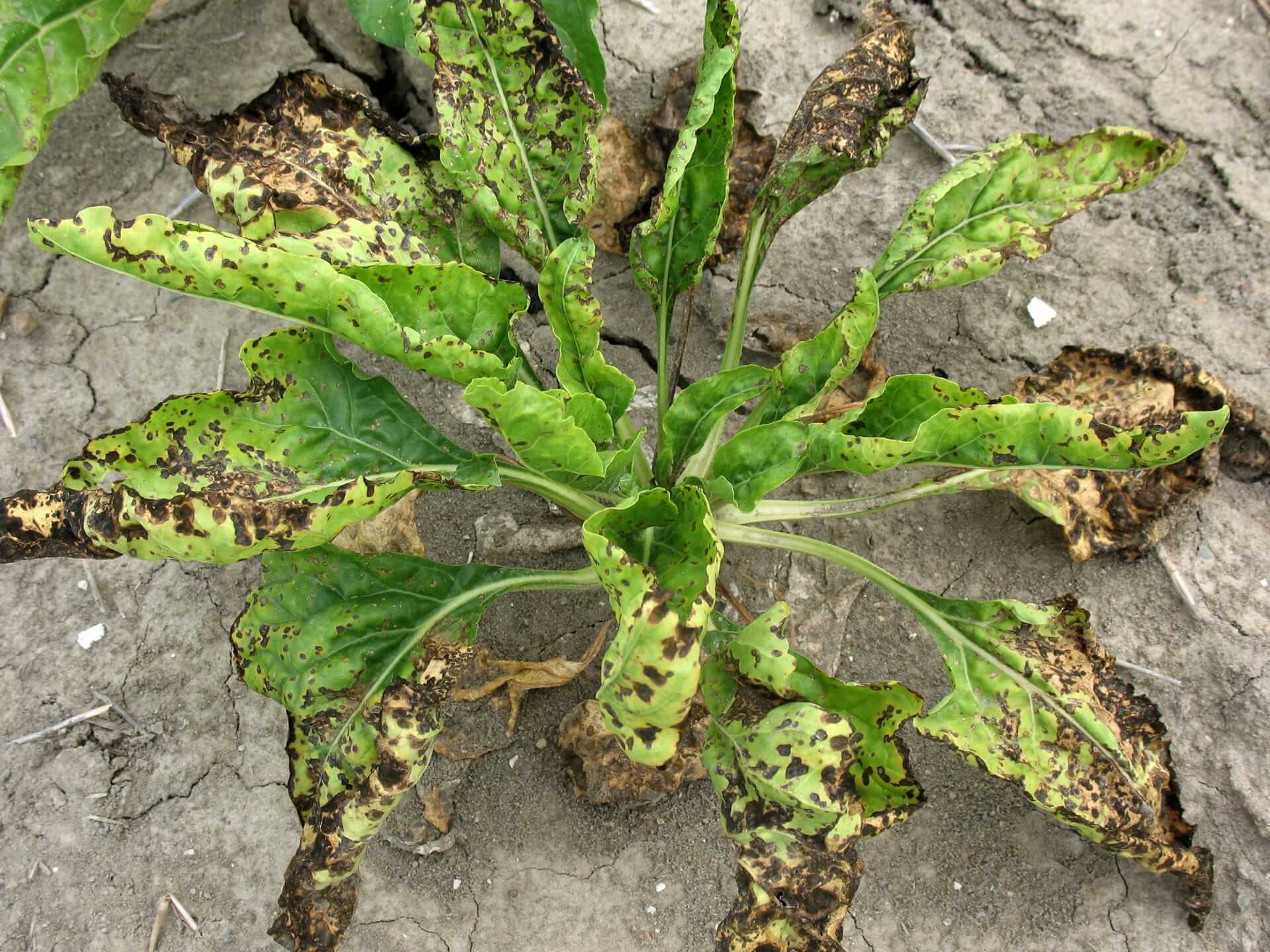
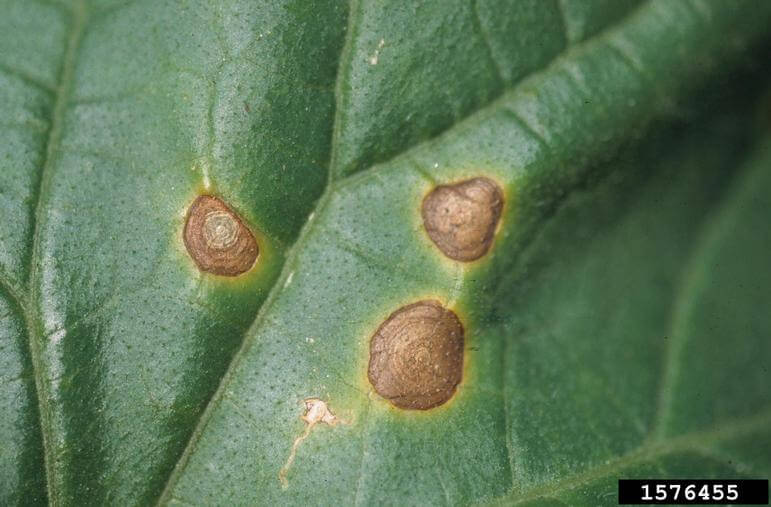

DESCRIPTION
WHO CAUSES IT?
Alternaria tenuis is a phytopathogenic fungus that affects numerous plants, including sugar beet, causing the disease known as alternariosis. This fungus is very versatile and can grow in both high and moderate humidity conditions, as well as variable temperatures. Alternaria tenuis produces asexual spores called conidia, which are dispersed primarily by wind and splashing water. These spores germinate in the presence of humidity, forming germ tubes that penetrate the plant tissues through wounds or stomata. The mycelium of the fungus grows inter- and intracellularly, causing necrosis in the affected areas. During its development, Alternaria tenuis can produce toxins that increase damage to plant tissues. Additionally, this fungus can survive on plant debris in the soil or infected seeds, allowing it to persist between growing seasons.
SYMPTOMS
Alternariosis in sugar beet manifests itself mainly in the leaves, where it causes a series of symptoms that affect the photosynthetic capacity of the plant and, therefore, its yield. Older leaves are generally the first to show symptoms, although the disease may progress to younger leaves if conditions are favorable.
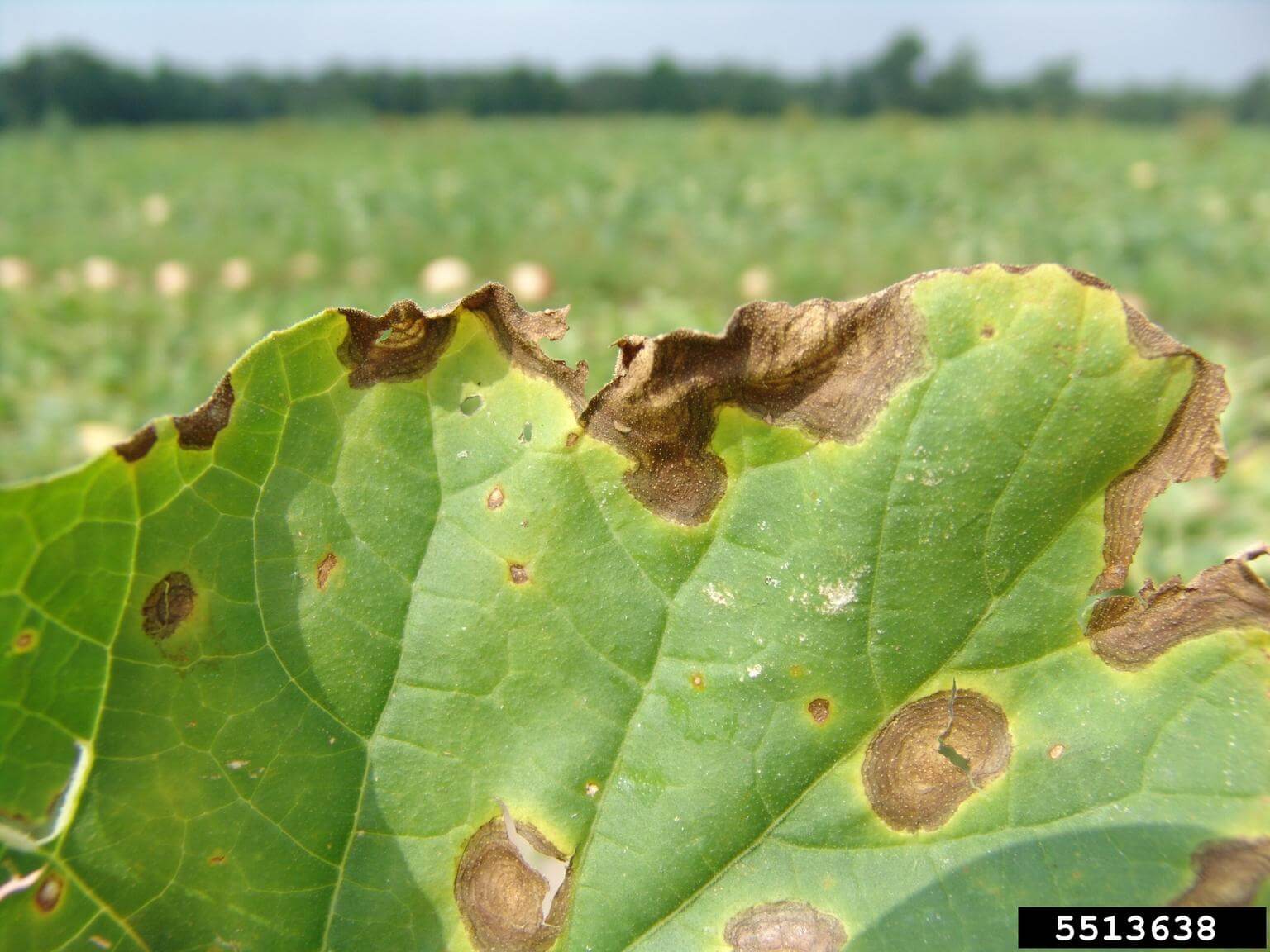
- Small, circular or irregular dark brown to black Taches on the leaves.
- Taches may have concentric rings, giving a "bull's eye" appearance.
- Leaf necrosis that can coalesce, forming larger dead areas.
- Premature defoliation, especially in high humidity conditions.
- Reduction of the effective photosynthetic area, which affects the production of sugars.
- Appearance of sporulation on Taches, visible as dark mold in humid conditions.
- General weakening of the plant and reduction in its vigor.
- Decreased root yield and quality due to prolonged foliar stress.


TEMPERATURE AND HUMIDITY
18-30°C
85-100%

HOW IS IT SPREAD?
Wind, water splashes, plant debris, infected seeds, agricultural tools

HOW TO REMOVE IT?
Home remedies
There are no home treatments
Chemical treatments
• AZOXISTROBIN 20% + DIFENOCONAZOLE 12.5% [SC] P/V
• DIFENOCONAZOLE 25% [EC] P/V
• CUPROCALCIC SULFATE 20% (EXPR. IN CU) [WG] P/P
Authorized treatments in organic farming
• CUPROCALCIC SULFATE 20% (EXPR. IN CU) [WG] P/P
Insect allies
PREDATORY MITES
LADYBUGS
LACEWINGS
PARASITIC WASPS
HOVERFLIES OR PARASITIC FLIES
PREDATORY BUGS
There are no natural allies
Mycodiplosis oidii (predatory mosquito)
EFFECTIVE PRODUCTS TO ELIMINATE THIS DISEASE
Sponsored link
Sponsored link


Sponsored link
Sponsored link
Sponsored link


Sponsored link
Sponsored link
Effective against all types of fungi

Sponsored link


Sponsored link
Sponsored link

Sponsored link


Sponsored link
- Use certified pathogen-free seeds to avoid the initial introduction of Alternaria tenuis.
- Implement crop rotations with plants not susceptible to Alternaria to reduce inoculum pressure in the soil.
- Eliminate and destroy the remains of previous crops to reduce the survival of the fungus between seasons.
- Maintain adequate ventilation in the foliage through correct plant spacing and pruning.
- Avoid sprinkler irrigation, especially in the afternoon, to reduce foliar humidity.
- Apply preventive and curative fungicides following technical recommendations and treatment thresholds.
- Carry out periodic monitoring of the crop to detect the disease early and apply timely treatments.
- Promote the general health of the plant through balanced fertilization and proper irrigation management.
- Implement cultural practices such as planting in raised rows to improve drainage and reduce humidity at the base of the plants.
Recommendations

Enjoy idMicrobe TOTALLY FREE, with no trial periods.


