

Antracnosis
Anthracnose
Colletotrichum Orbiculare
Pathogen:
Fungus
Type:
Risk to the plant:
HIGH

DESCRIPTION
WHO CAUSES IT?
Colletotrichum orbiculare is a phytopathogenic fungus that causes anthracnose in various plants, including pumpkin. This fungus is characterized by the production of conidia that are dispersed by wind, rain, and contaminated tools. Infection begins when conidia germinate on the surface of the leaves, stems or fruits of the host plant, favored by conditions of high humidity and warm temperatures. The fungus penetrates the plant tissue through wounds or directly through a process of appressorium formation that allows cell invasion. Within the plant tissue, Colletotrichum orbiculare forms reproduction structures known as acervuli, from where it produces new spores that disseminate to continue the infectious cycle. This fungus can survive on infected plant remains and contaminated seeds, which facilitates its persistence and spread in the agricultural field.
SYMPTOMS
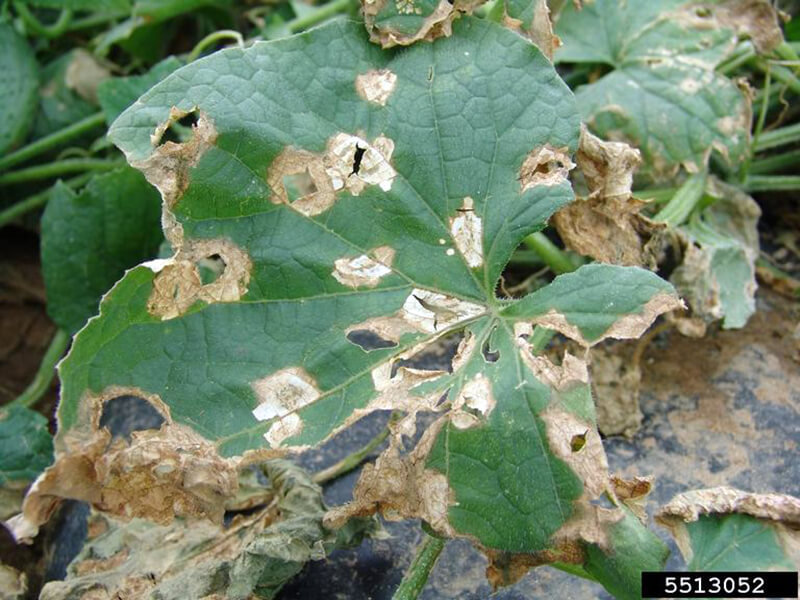
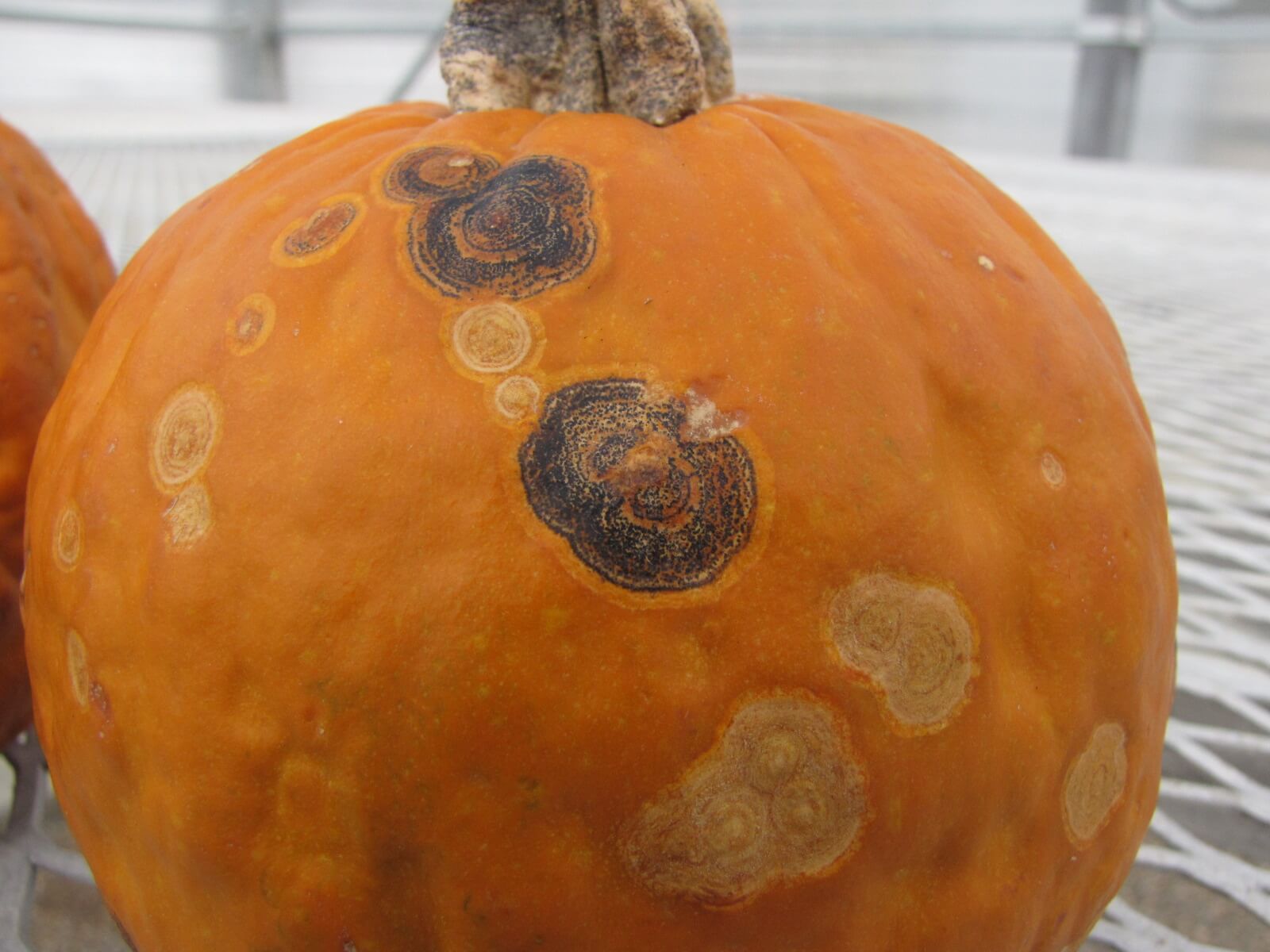
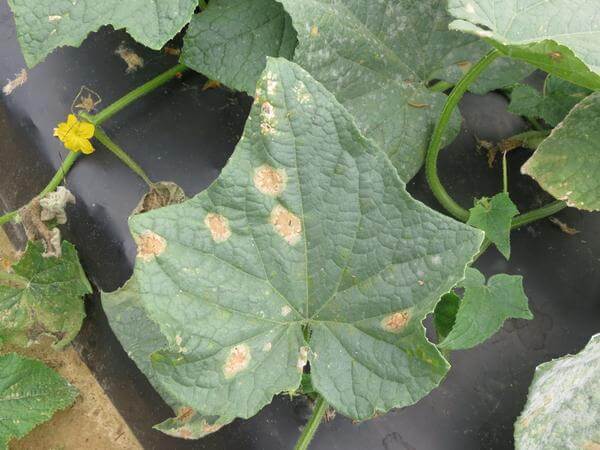
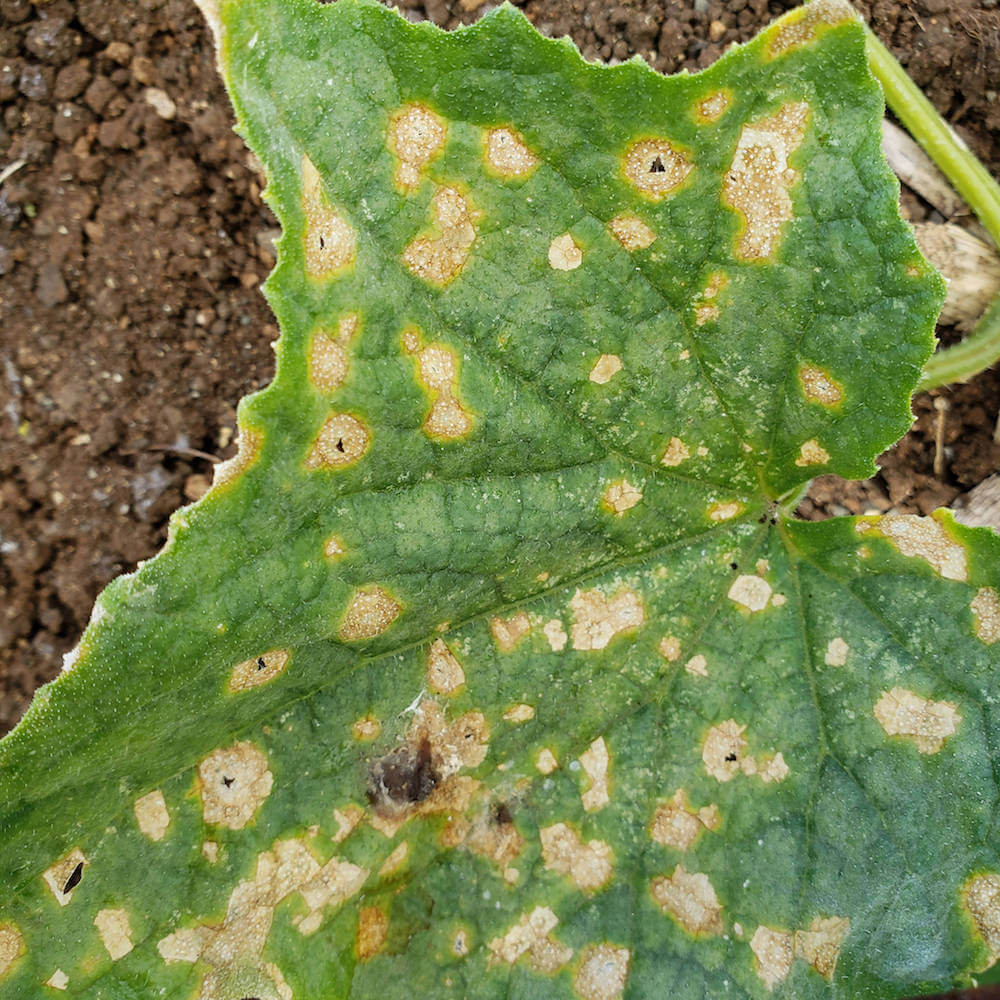
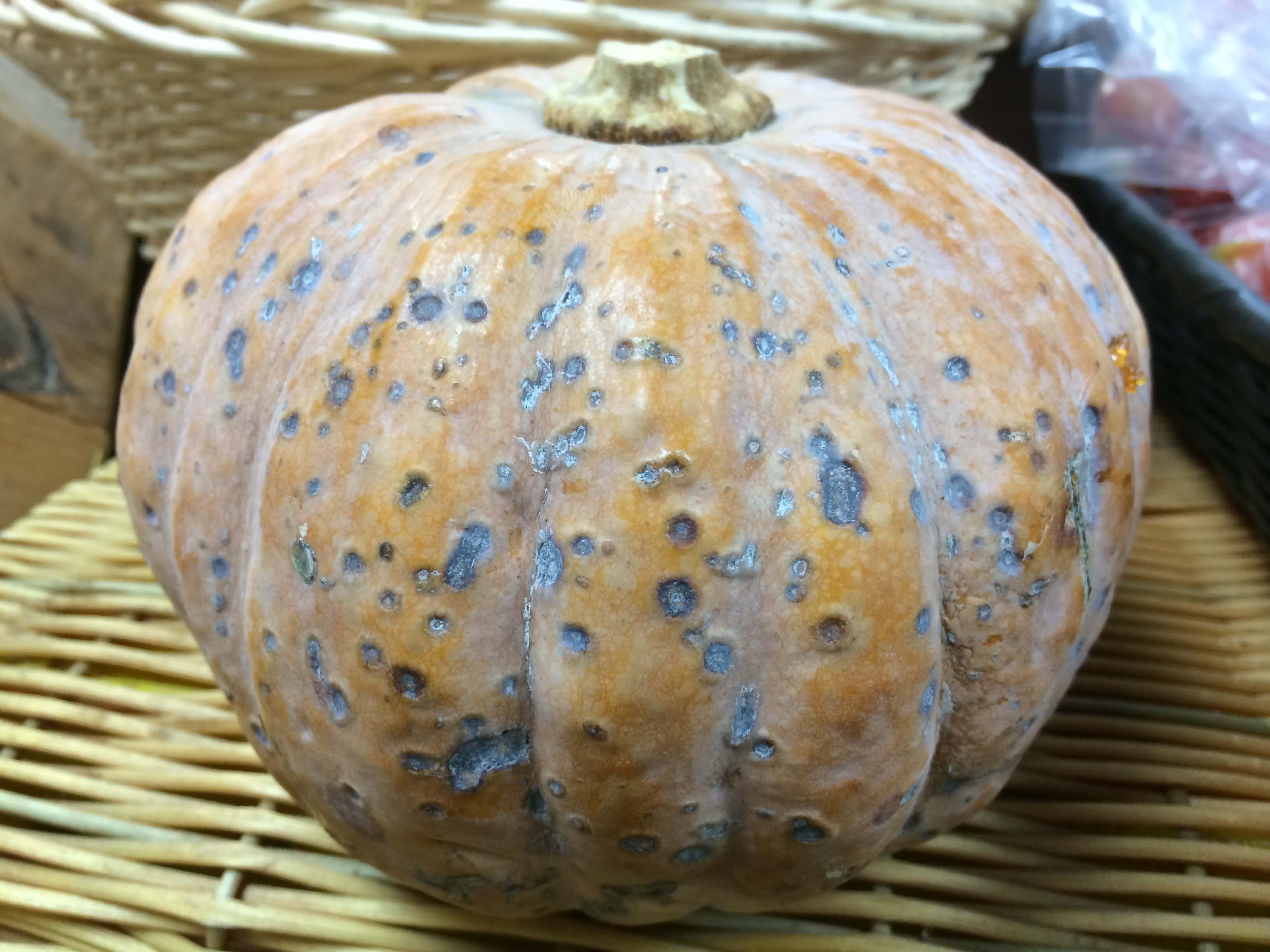
Anthracnose caused by Colletotrichum orbiculare affects pumpkins, manifesting mainly on the leaves, stems and fruits. Initial symptoms include small watery Taches that soon become necrotic and dark, causing a significant decrease in photosynthetic capacity and therefore plant vigor and production. In severe cases, the disease can lead to the disintegration of the affected tissues, directly affecting the quality and quantity of the harvest.
- Dark brown or black necrotic Taches on leaves
- Sunken lesions on stems and fruits
- Appearance of acervuli with masses of pink spores on the surface of the lesions
- Premature defoliation
- Deformed or mummified fruits
- Reduction in the quality and quantity of the harvest

TEMPERATURE AND HUMIDITY
20°C - 28°C
80% - 100%

HOW IS IT SPREAD?
Wind, rain, contaminated tools, infected seeds, contact with infected plant remains

HOW TO REMOVE IT?
Home remedies
There are no home treatments
Chemical treatments
• AZOXISTROBIN 25% [SC] P/V
• COPPER OXYCHLORIDE 30% (EXPR. IN CU) [WP] P/P
• COPPER OXYCHLORIDE 35% (exp. in Cu) [WG] P/P
• COPPER OXYCHLORIDE 35% (EXPR. IN CU) [WG] P/P
• COPPER OXYCHLORIDE 37.5% (EXPR. IN CU) [WG] P/P
• COPPER OXYCHLORIDE 38% (EXPR. IN CU) [SC] P/V
• COPPER OXYCHLORIDE 50% (EXPR. IN CU) [WG] P/P
• COPPER OXYCHLORIDE 50% (EXPR. IN CU) [WP] P/P
• COPPER OXYCHLORIDE 52% (EXPR. IN CU) [SC] P/V
• CUPROUS OXIDE 75% (EXPR. IN CU) [WG] P/P
• CUPROCALCIC SULFATE 20% (EXPR. IN CU) [WG] P/P
• CUPROCALCIC SULFATE 20% (EXPR. IN CU) [WP] P/P
• CUPROCALCIC SULFATE 20% (EXPR. IN CU) [WG] P/P
• CUPROCALCIC SULFATE 20% [WP] P/P
• TRIBASIC COPPER SULFATE 19% (EXPR. IN CU) [SC] P/V
• TRIBASIC COPPER SULFATE 40% (EXPR. IN CU) [WG] P/P
Authorized treatments in organic farming
• COPPER OXYCHLORIDE 30% (EXPR. IN CU) [WP] P/P
• COPPER OXYCHLORIDE 35% (exp. in Cu) [WG] P/P
• COPPER OXYCHLORIDE 35% (EXPR. IN CU) [WG] P/P
• COPPER OXYCHLORIDE 37.5% (EXPR. IN CU) [WG] P/P
• COPPER OXYCHLORIDE 38% (EXPR. IN CU) [SC] P/V
• COPPER OXYCHLORIDE 50% (EXPR. IN CU) [WG] P/P
• COPPER OXYCHLORIDE 50% (EXPR. IN CU) [WP] P/P
• COPPER OXYCHLORIDE 52% (EXPR. IN CU) [SC] P/V
• CUPROUS OXIDE 75% (EXPR. IN CU) [WG] P/P
• CUPROCALCIC SULFATE 20% (EXPR. IN CU) [WG] P/P
• CUPROCALCIC SULFATE 20% (EXPR. IN CU) [WP] P/P
• CUPROCALCIC SULFATE 20% (EXPR. IN CU) [WG] P/P
• CUPROCALCIC SULFATE 20% [WP] P/P
• TRIBASIC COPPER SULFATE 19% (EXPR. IN CU) [SC] P/V
• TRIBASIC COPPER SULFATE 40% (EXPR. IN CU) [WG] P/P
Insect allies
PREDATORY MITES
LADYBUGS
LACEWINGS
PARASITIC WASPS
HOVERFLIES OR PARASITIC FLIES
PREDATORY BUGS
There are no natural allies
Mycodiplosis oidii (predatory mosquito)
EFFECTIVE PRODUCTS TO ELIMINATE THIS DISEASE
Sponsored link

Sponsored link


Sponsored link
Sponsored link
Sponsored link


Sponsored link
Sponsored link
Effective against all types of fungi

Sponsored link


Sponsored link
Sponsored link

Sponsored link


Sponsored link
- Use certified pathogen-free seeds to prevent the introduction of the fungus into the field.
- Implement crop rotations with non-susceptible plants to reduce inoculum pressure in the soil.
- Eliminate and destroy remains of infected crops to prevent the persistence of the fungus between seasons.
- Apply specific fungicides preventively and during the early stages of infection according to agronomic recommendations.
- Avoid sprinkler irrigation and opt for irrigation systems that keep the leaves dry, such as drip irrigation.
- Ensure good ventilation in the crop through adequate separation between plants and strategic pruning.
- Regularly inspect the crop to detect disease symptoms early and apply timely control measures.
- Use biological products and integrated control methods to minimize the use of chemical fungicides.
- Promote sustainable management practices that strengthen the general health of the plant, improving its resistance to diseases.
Recommendations

Enjoy idMicrobe TOTALLY FREE, with no trial periods.


