

Caracoles y/o babosas
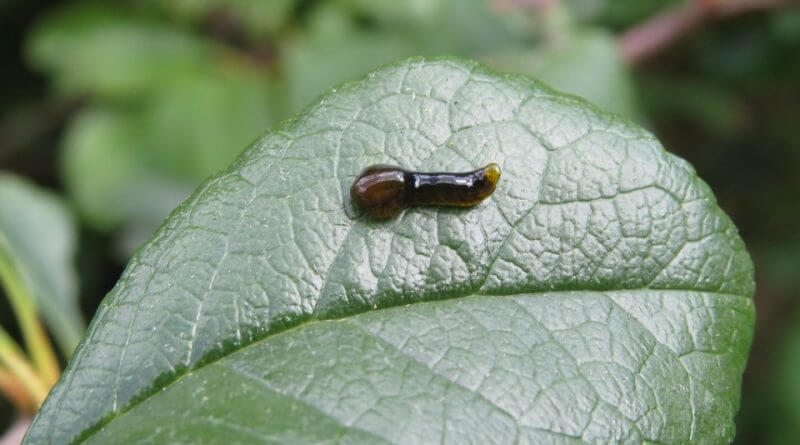
Pear Slug
Cariloa Cerasi
Pathogen:
Slugs
Type:
Risk to the plant:
HIGH
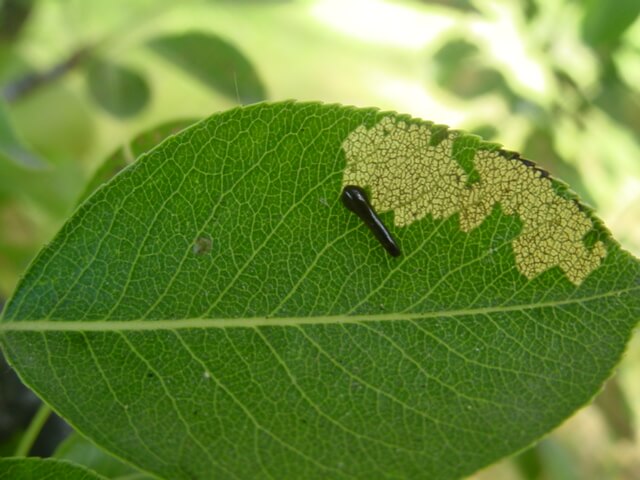
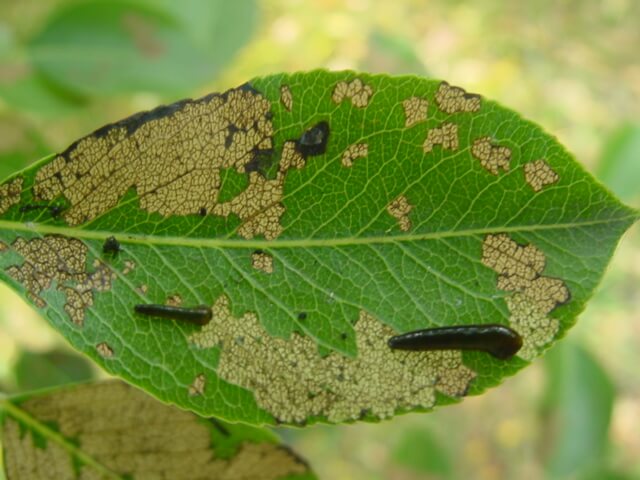

DESCRIPTION
WHO CAUSES IT?
Cariloa cerasi, commonly known as the pear slug, is a small fly of the family Tephritidae. Adult females lay their eggs in the tissue of the pear tree, usually in the fruit. The larvae emerge from the eggs and begin feeding on the internal tissue, causing significant damage. After several larval stages, the larvae pupate in the soil or in the fruit itself. The adults emerge from the pupae, thus completing their development. This cycle can repeat several times during the growing season, especially in favorable climates. Adults are capable of flying considerable distances, facilitating the spread of the pest. The presence of pear slug can be difficult to detect in the early stages, as the symptoms are not immediately evident.
SYMPTOMS
The pear slug causes a disease in the pear tree that manifests itself mainly in the fruits, although it can also affect other parts of the plant. The feeding of the larvae inside the fruit causes damage that results in a significant decrease in the quality and commercial value of the crop.
- Deformed and discolored fruits.
- Appearance of internal galleries in the fruits.
- Presence of gummy exudates on the surface of the fruit.
- Premature fall of affected fruits.
- Reduction in the size of the fruits.
- Loss of flavor and texture in the fruits.


TEMPERATURE AND HUMIDITY
20°C - 30°C
50% - 80%

HOW IS IT SPREAD?
Wind, Contact with infested plants, Transported fruits, Contaminated agricultural tools

HOW TO REMOVE IT?
Home remedies
There are no home treatments
Chemical treatments
• METALDEHYDE 1.5% [GB] P/P
• METALDEHYDE 2.5% [GB] P/P
• METALDEHYDE 3% (DYE ADDITION) [RB] P/P
• METALDEHYDE 3% [GB] P/P
• METALDEHYDE 4% [GB] P/P
• METALDEHYDE 5% (DYE ADDITION) [GB] P/P
• METALDEHYDE 5% [GB] P/P
Authorized treatments in organic farming
-
Insect allies
PREDATORY MITES
LADYBUGS
LACEWINGS
PARASITIC WASPS
HOVERFLIES OR PARASITIC FLIES
PREDATORY BUGS
There are no natural allies
Mycodiplosis oidii (predatory mosquito)
EFFECTIVE PRODUCTS TO ELIMINATE THIS DISEASE
Sponsored link
Sponsored link
Sponsored link


Sponsored link
Sponsored link
Sponsored link
Sponsored link


Sponsored link
Sponsored link
Effective against all types of fungi

Sponsored link
Sponsored link


Sponsored link
Sponsored link

Sponsored link
Sponsored link


Sponsored link
- Regularly monitor orchards to detect the presence of the pest early, using sticky traps and visual checks.
- Implement hygiene and sanitation practices, eliminating fallen fruits and plant debris that may serve as a refuge for larvae and pupae.
- Use reflective ground covers to discourage adult flies from laying eggs on fruits.
- Apply specific insecticidal treatments during critical stages of the pest cycle, following local recommendations and regulations.
- Introduce and encourage the presence of natural enemies of the pest, such as parasitoid wasps and predators.
- Practice crop rotation to interrupt the pest life cycle.
- Maintain adequate irrigation and fertilization management to reduce stress on plants and increase their natural resistance to infestations.
- Avoid transporting fruits and plant material from infested areas to areas free of the pest.
Recommendations

Enjoy idMicrobe TOTALLY FREE, with no trial periods.


