

Chicharritas
Leafhoppers, Leafhoppers, Leafhoppers
Empoasca Decipiens Paoli, Empoasca Solani Curtis, Asymmetrasca Decedens Paoli, Jacobiasca Lybica
Pathogen:
Insect
Type:
Risk to the plant:
HIGH
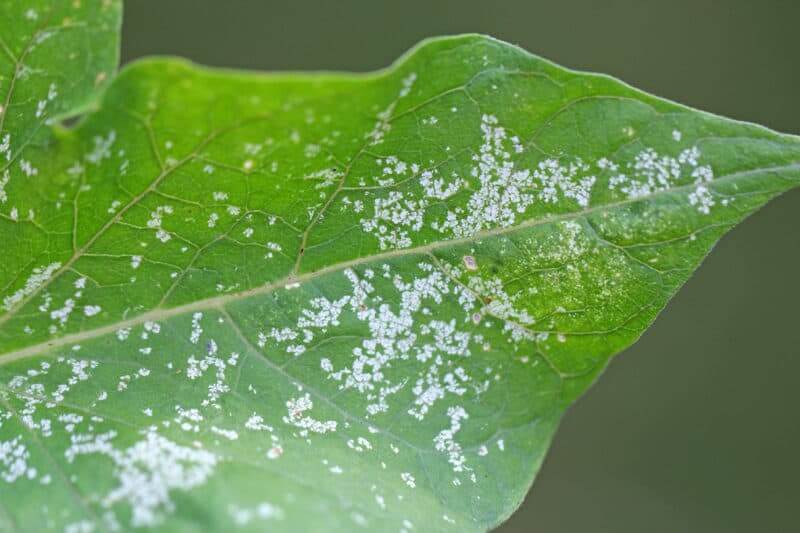
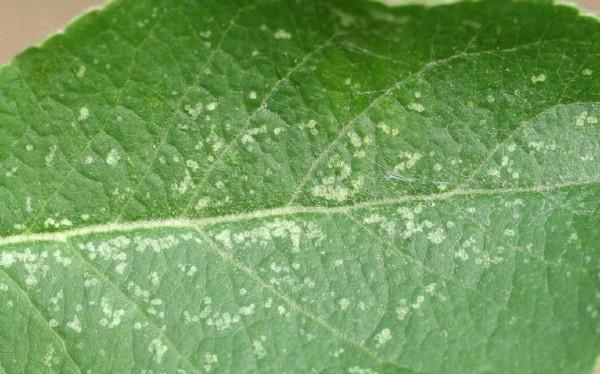

DESCRIPTION
WHO CAUSES IT?
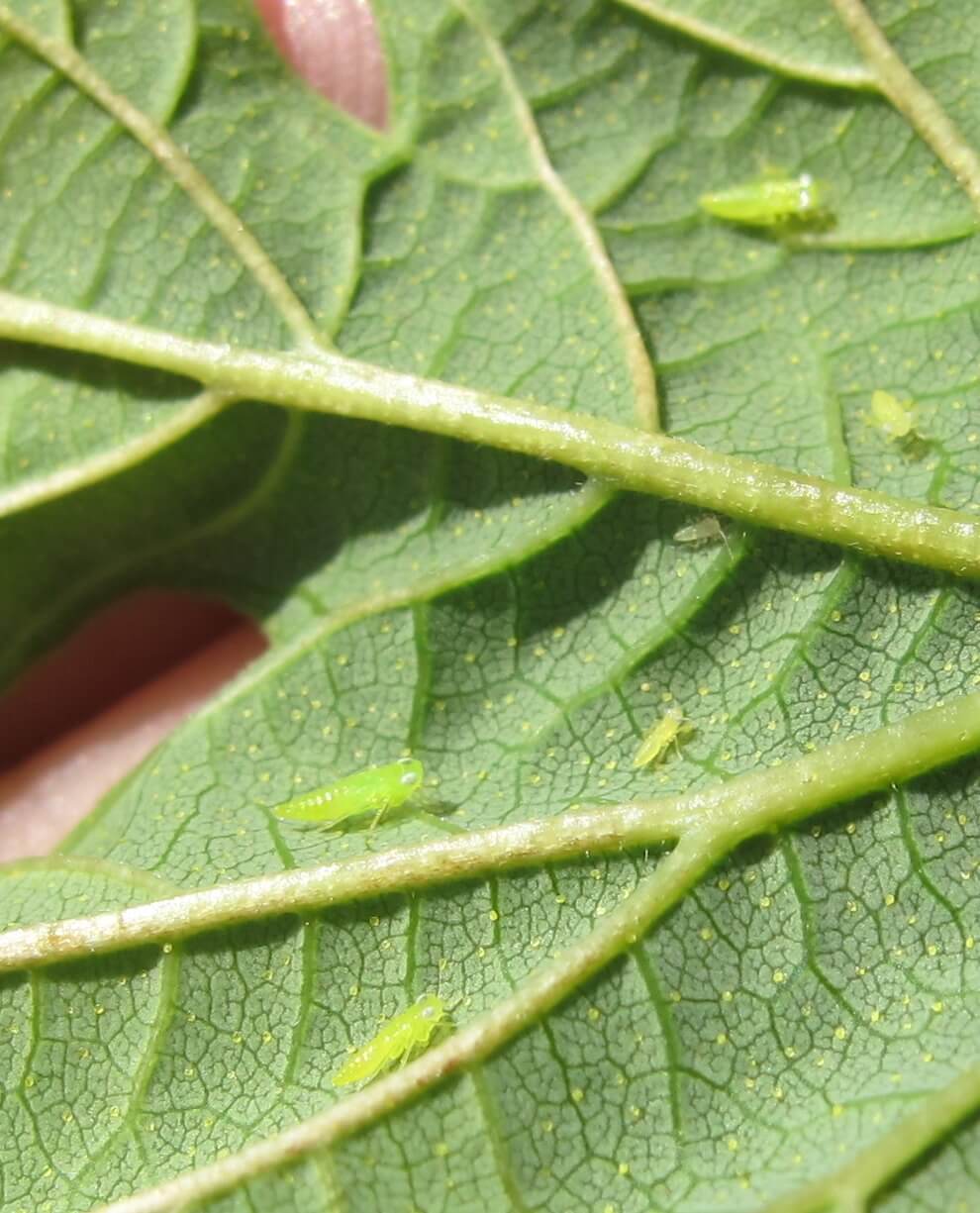
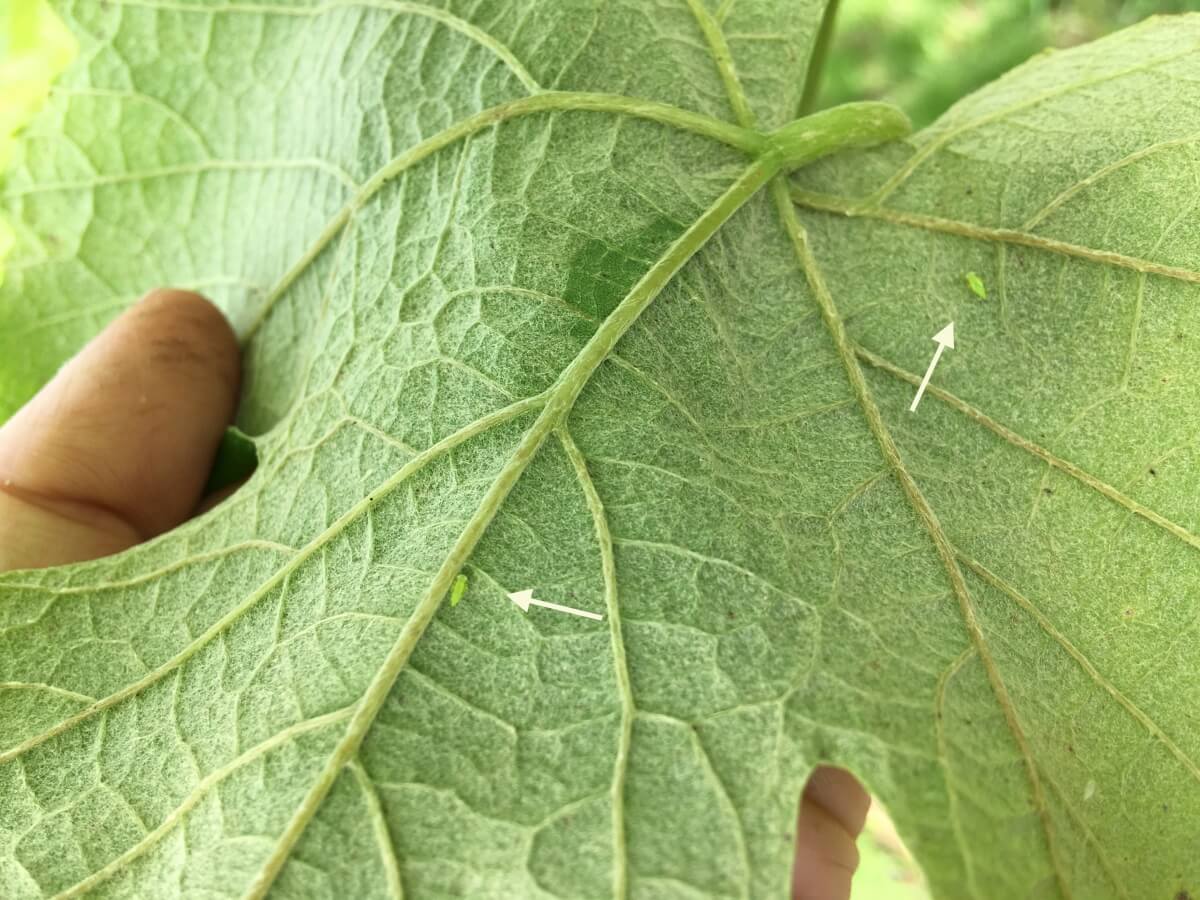
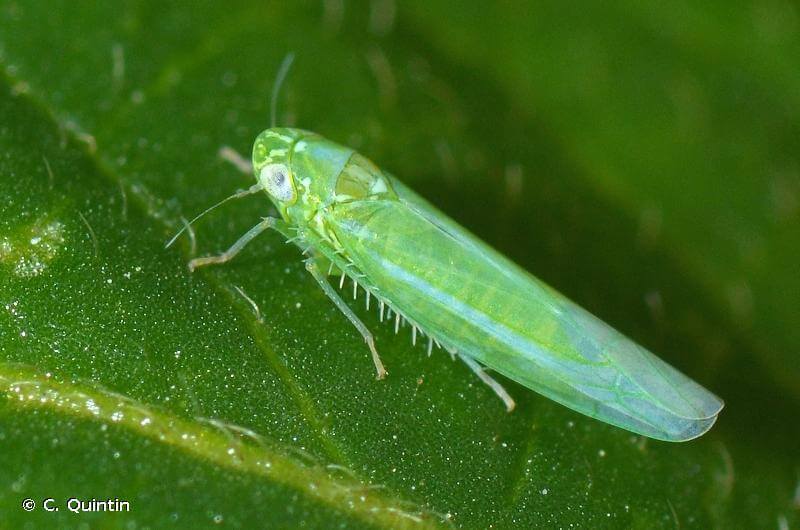
The pathogens Empoasca decipiens Paoli, Empoasca solani Curtis, Asymmetrasca decedens Paoli and Jacobiasca lybica are insects commonly known as leafhoppers, leafhoppers or leafhoppers. These insects go through several stages during their development. Adults are small, approximately 3 mm in length, and have varied colors ranging from green to brown. Females deposit their eggs within plant tissues, mainly in the leaves. These eggs hatch and release nymphs that go through five instars before becoming adults. During these stages, nymphs and adults feed on the phloem of plants, inserting their mouthparts into leaves to extract sap. This feeding process not only weakens the plant, but can also transmit phytopathological diseases and cause direct damage from the toxins they inject. The presence of leafhoppers is common in hot, dry climates, where they can complete multiple generations per year, thus increasing their impact on crops.
SYMPTOMS
In peach, peach or nectarine, leafhopper infection produces several symptoms that affect the general health of the plant and the quality of the fruits. The feeding activity of these insects causes physiological stress in the plant, which results in a reduction in photosynthesis and growth. The leaves show symptoms of yellowing and mottling, which can lead to premature defoliation. Young shoots and fruits are also affected, showing uneven development and deformations.
- Yellowing and mottling of leaves
- Premature defoliation
- Uneven development of shoots
- Deformations in the fruits
- Reduction in photosynthesis
- General physiological stress in the plant
- Loss of vigor in affected trees

TEMPERATURE AND HUMIDITY
20-30°C
50-70%

HOW IS IT SPREAD?
Wind, infested plants, contaminated pruning tools, workers' clothing, irrigation water

HOW TO REMOVE IT?
Home remedies
There are no home treatments
Chemical treatments
• ORANGE OIL 60g/L [ME] P/S
• ACETAMIPRID 20% [SL] P/V
• DELTAMETHRIN 1.5% [EW] P/V
• DELTAMETHRIN 1.57% [SC] P/V
• DELTAMETHRIN 10% [EC] P/V
• DELTAMETHRIN 2.5% [EC] P/V
• DELTAMETHRIN 2.5% [EW] P/V
• PHENPIROXIMATE 5.12% [SC] P/V
• TAU-FLUVALINATE 24% [EW] P/V
Authorized treatments in organic farming
• ORANGE OIL 60g/L [ME] P/S
Insect allies
PREDATORY MITES
LADYBUGS
LACEWINGS
PARASITIC WASPS
HOVERFLIES OR PARASITIC FLIES
PREDATORY BUGS
There are no natural allies
Mycodiplosis oidii (predatory mosquito)
EFFECTIVE PRODUCTS TO ELIMINATE THIS DISEASE
Sponsored link

Sponsored link


Sponsored link
Sponsored link
Sponsored link


Sponsored link
Sponsored link
Effective against all types of fungi

Sponsored link


Sponsored link
Sponsored link

Sponsored link


Sponsored link
- Implement regular monitoring to detect the presence of leafhoppers in early stages.
- Use yellow sticky traps to capture adults and reduce the population.
- Apply specific insecticide treatments when critical infestation levels are reached.
- Introduce and encourage natural enemies, such as predators and parasitoids, into the ecosystem.
- Maintain good crop hygiene, eliminating plant remains and weeds that could serve as shelter.
- Carry out appropriate pruning to improve ventilation and reduce humidity in the plant canopy.
- Implement integrated pest management (IPM) practices that combine biological, cultural and chemical methods.
- Promote biodiversity in the plantation to increase the resilience of the ecosystem.
- Rotate crops to interrupt the life cycle of leafhoppers.
- Avoid excessive use of nitrogen fertilizers, which can make plants more susceptible to infestation.
Recommendations

Enjoy idMicrobe TOTALLY FREE, with no trial periods.


