

Chicharritas
Leafhoppers, Leafhoppers, Leafhoppers
Leafhoppers, Leafhoppers, Leafhoppers
Pathogen:
Insect
Type:
Risk to the plant:
HIGH


DESCRIPTION
WHO CAUSES IT?
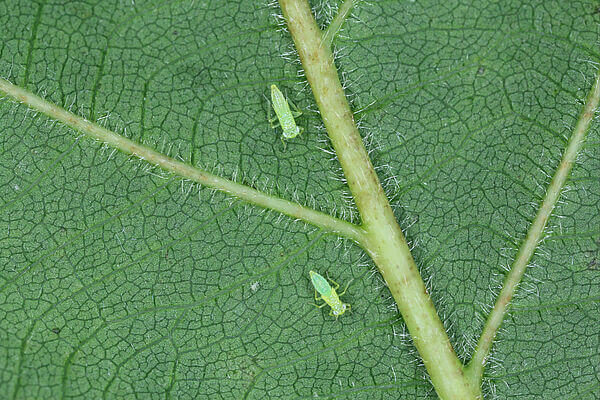
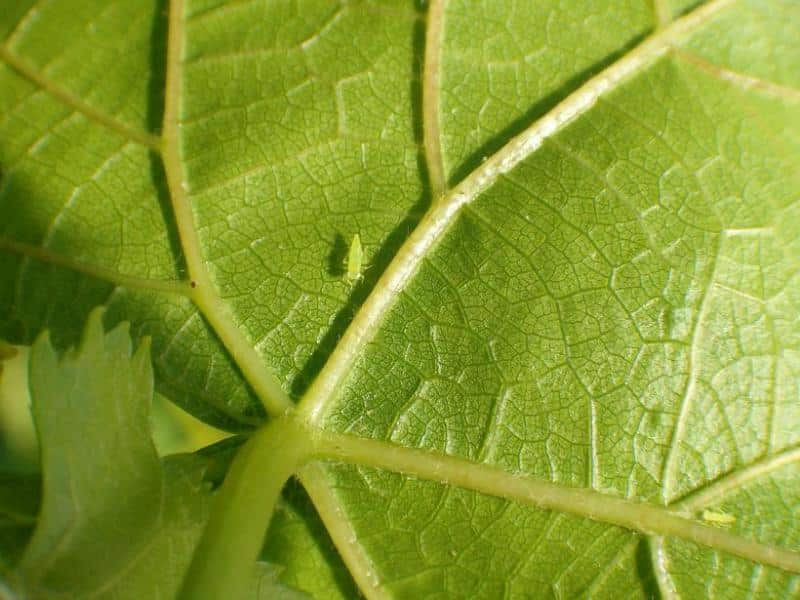
Leafhoppers, also known as leafhoppers or leafhoppers, are a family of insects that includes multiple species that affect a wide variety of plants, including apricot. Adults are small, 3 to 15 mm, with elongated bodies and membranous wings that allow them to jump long distances. These insects go through an incomplete metamorphosis, which includes the egg, nymph and adult phases. Females lay eggs on the underside of leaves or tender stems. After a few days, the eggs hatch, releasing nymphs that feed on the sap of the host plant. Nymphs molt several times before reaching maturity. The adults also feed on the sap and are responsible for the transmission of various diseases. Under favorable conditions, such as warm temperatures and adequate humidity, leafhopper populations can grow rapidly, generating multiple generations in a single year.
SYMPTOMS
In apricots, leafhoppers cause a disease that manifests itself through various symptoms that affect the health and productivity of the tree. The feeding of these insects causes direct and indirect damage to the leaves, shoots and fruits, weakening the plant and reducing its photosynthetic capacity.
- Discoloration of the leaves, which may turn yellow or brown.
- Appearance of white or chlorotic Taches on the leaves.
- Curling and deformation of the leaves.
- Poor growth of new shoots.
- Reduction in the size and quality of the fruits.
- Transmission of pathogens such as viruses and bacteria that can cause secondary diseases.
- Premature fall of leaves and fruits.
- Presence of sticky secretions (molasses) that favor the growth of sooty fungi (sooty mold).


TEMPERATURE AND HUMIDITY
20°C - 30°C
60% - 80%

HOW IS IT SPREAD?
Wind, direct contact with infected plants, contaminated tools, workers' clothing, insect vectors

HOW TO REMOVE IT?
Home remedies
There are no home treatments
Chemical treatments
• RAPE OIL 848.24 g/l [EC] P/V
• ORANGE OIL 6% [SL] P/V
• ORANGE OIL 60g/L [ME] P/S
• ACETAMIPRID 20% [SL] P/V
• ACETAMIPRID 20% [SP] P/P
• AZADIRACTIN 1% (AS AZADIRACTIN A) [EC] P/V
• Azadirachtin 2.6% (AS AZADIRACTIN A) [EC] P/V
• CAOLIN 99% [WP] P/P
• DELTAMETHRIN 1.5% [EW] P/V
• DELTAMETHRIN 1.57% [SC] P/V
• DELTAMETHRIN 10% [EC] P/V
• DELTAMETHRIN 2.5% [EC] P/V
• DELTAMETHRIN 2.5% [EW] P/V
• LAMBDA CYHALOTHRIN 10% [CS] P/V
• Pyrethrins 12.9 g/l [EC] P/V
• PYRETHRINS 4.65% (as pyrethrum extract) [EC] P/V
• PYRETHRINS 4% (PYRETHHRINE EXTR.) [EC] P/V
• POTASSIUM SALTS OF FATTY ACIDS C14-C20 48% [EW] P/V
• TAU-FLUVALINATE 24% [EW] P/V
Authorized treatments in organic farming
• RAPE OIL 848.24 g/l [EC] P/V
• ORANGE OIL 6% [SL] P/V
• ORANGE OIL 60g/L [ME] P/S
• AZADIRACTIN 1% (AS AZADIRACTIN A) [EC] P/V
• Azadirachtin 2.6% (AS AZADIRACTIN A) [EC] P/V
• CAOLIN 99% [WP] P/P
• LAMBDA CYHALOTHRIN 10% [CS] P/V
• Pyrethrins 12.9 g/l [EC] P/V
• PYRETHRINS 4.65% (as pyrethrum extract) [EC] P/V
• PYRETHRINS 4% (PYRETHHRINE EXTR.) [EC] P/V
• POTASSIUM SALTS OF FATTY ACIDS C14-C20 48% [EW] P/V
Insect allies
PREDATORY MITES
LADYBUGS
LACEWINGS
PARASITIC WASPS
HOVERFLIES OR PARASITIC FLIES
PREDATORY BUGS
There are no natural allies
Mycodiplosis oidii (predatory mosquito)
EFFECTIVE PRODUCTS TO ELIMINATE THIS DISEASE
- Carry out frequent monitoring to early detect the presence of leafhoppers.
- Implement agricultural hygiene practices, eliminating plant remains and weeds that may harbor these insects.
- Use yellow sticky traps to capture leafhoppers and reduce their population.
- Promote the presence of natural enemies, such as ladybugs and parasitoid wasps, which help control leafhopper populations.
- Apply horticultural oils or insecticidal soaps preventively and curatively to reduce infestation.
- Carry out regular pruning to eliminate affected shoots and leaves, improving the ventilation of the tree and reducing favorable habitat for insects.
- Avoid excessive use of nitrogen fertilizers that promote the growth of tender shoots susceptible to infestation.
- Rotate the use of insecticides with different modes of action to prevent the development of resistance.
- Implement trap crops that attract leafhoppers away from the apricot.
Recommendations

Enjoy idMicrobe TOTALLY FREE, with no trial periods.


