

Fusariosis
Fusariosis
Fusarium sp.
Pathogen:
Fungus
Type:
Risk to the plant:
HIGH
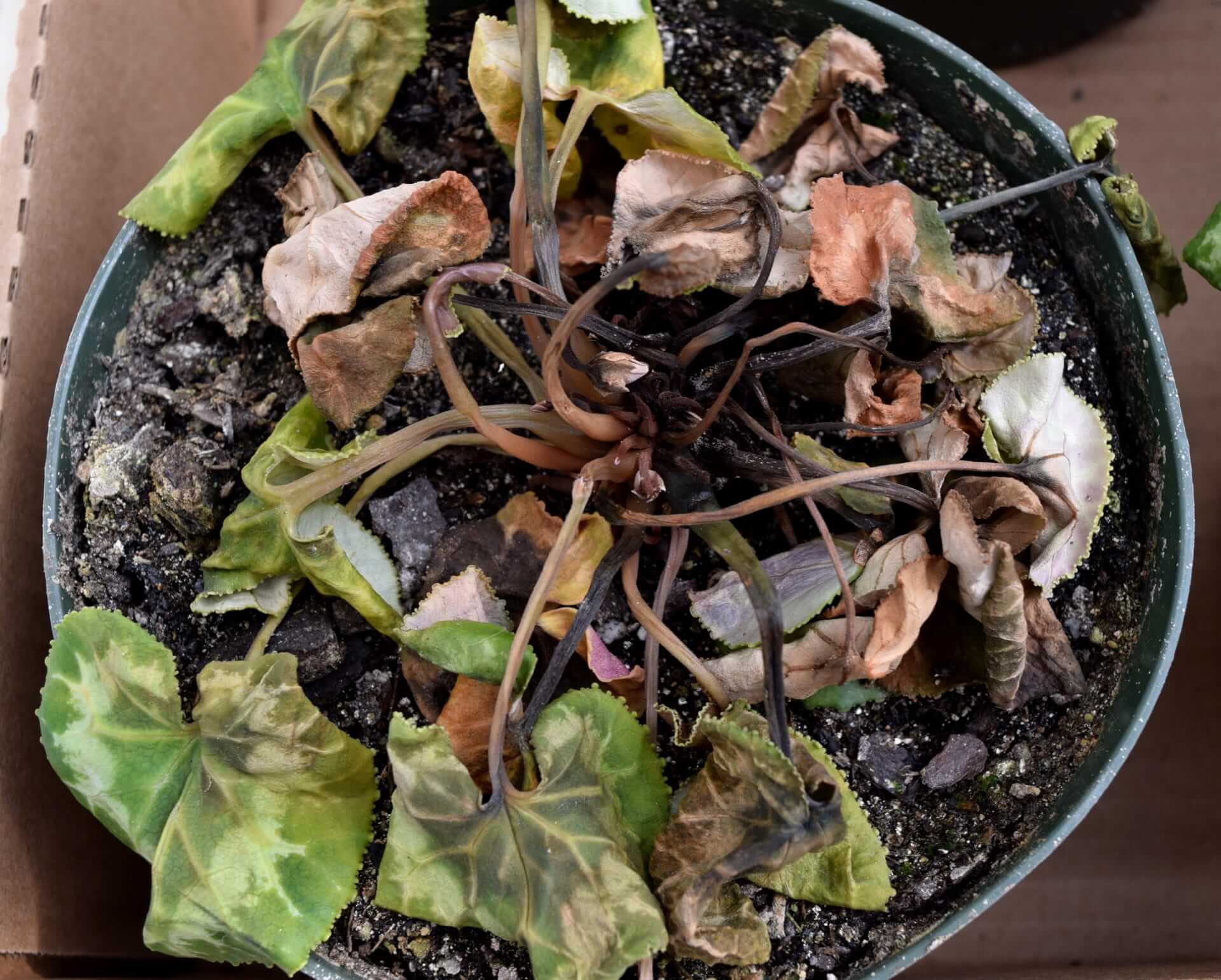
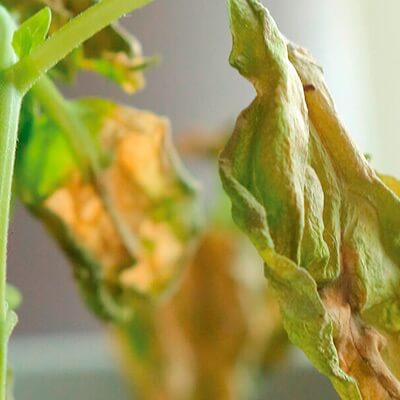

DESCRIPTION
WHO CAUSES IT?
Fusarium sp. It is a genus of filamentous fungi that lives both in the soil and in plant tissues. It is characterized by producing spores called macroconidia and microconidia, as well as resistance structures known as chlamydospores, which can survive in adverse conditions for long periods. These structures allow it to persist in plant remains and contaminated soil. When conditions are favorable, it germinates and colonizes weakened roots or tissues, penetrating wounds or through natural openings. From there, it invades the vascular tissues, especially the xylem, moving through the conductive vessels and blocking the flow of water and nutrients. This internal colonization favors the appearance of characteristic symptoms in plants, which progressively worsen. The pathogen can also reproduce and be released back into the environment through spores that are spread by water, tools or vectors.
SYMPTOMS
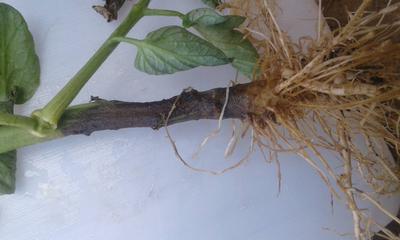
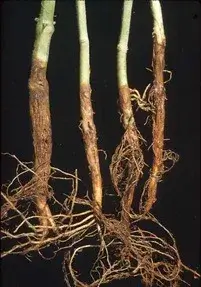
Fusarium wilt is a disease caused by various species of Fusarium that affects a wide range of plants. In plants, it causes progressive wilting, chlorosis, leaf necrosis and general weakening. The roots and base of the stem may show rot, with internal discolorations in the conducting vessels. The progression of the disease compromises growth and productivity, and in many cases ends with the death of the plant.
- Progressive wilting
- Leaf yellowing
- Necrosis in leaves and stems
- Brown stretch marks in the vascular tissue
- Delayed growth
- Root rot
- Premature leaf fall
- Structural weakening of the plant
- Total collapse in advanced stages


TEMPERATURE AND HUMIDITY
24°C - 30°C
65% - 90%

HOW IS IT SPREAD?
Irrigation water, Contaminated soil, Infected plant remains, Agricultural tools, Wind, Vector insects, Contaminated seeds

HOW TO REMOVE IT?
Home remedies
There are no home treatments
Chemical treatments
• AZOXISTROBIN 25% [SC] P/V
• CAPTAN 47.5% [SC] P/V
• CIPRODINIL 37.5% + FLUDIOXONIL 25% [WG] P/P
• FOLPET 50% [SC] P/V
• FOLPET 80% [WG] P/P
• PIRACLOSTROBIN 6.7% + BOSCALIDE 26.7% (I) [WG] P/P
Authorized treatments in organic farming
-
Insect allies
PREDATORY MITES
LADYBUGS
LACEWINGS
PARASITIC WASPS
HOVERFLIES OR PARASITIC FLIES
PREDATORY BUGS
There are no natural allies
Mycodiplosis oidii (predatory mosquito)
EFFECTIVE PRODUCTS TO ELIMINATE THIS DISEASE
Sponsored link
Sponsored link


Sponsored link
Sponsored link
Sponsored link


Sponsored link
Sponsored link
Effective against all types of fungi

Sponsored link


Sponsored link
Sponsored link

Sponsored link


Sponsored link
- Rotate crops with species not susceptible to the fungus for at least 3 years to reduce the load of the pathogen in the soil
- Use certified seeds and plant material free of Fusarium
- Improve soil drainage to avoid moisture accumulation that favors the development of the fungus.
- Avoid wounds on roots and stems during agricultural work that facilitate the entry of the fungus.
- Disinfect agricultural tools and machinery after each use, especially if you have worked on affected plots
- Eliminate remains of infected crops and do not incorporate them into the compost
- Apply biological products with antagonists such as Trichoderma spp. that inhibit the development of Fusarium
- Avoid excessive fertilization with nitrogen, as it weakens the plant's natural defenses
- Perform soil analysis to detect the presence of the pathogen before planting sensitive crops
- Apply specific fungicides preventively in high-risk conditions, following technical recommendations
Recommendations

Enjoy idMicrobe TOTALLY FREE, with no trial periods.


