

Fusariosis
Fusariosis
Fusarium Oxysporum
Pathogen:
Fungus
Type:
Risk to the plant:
HIGH
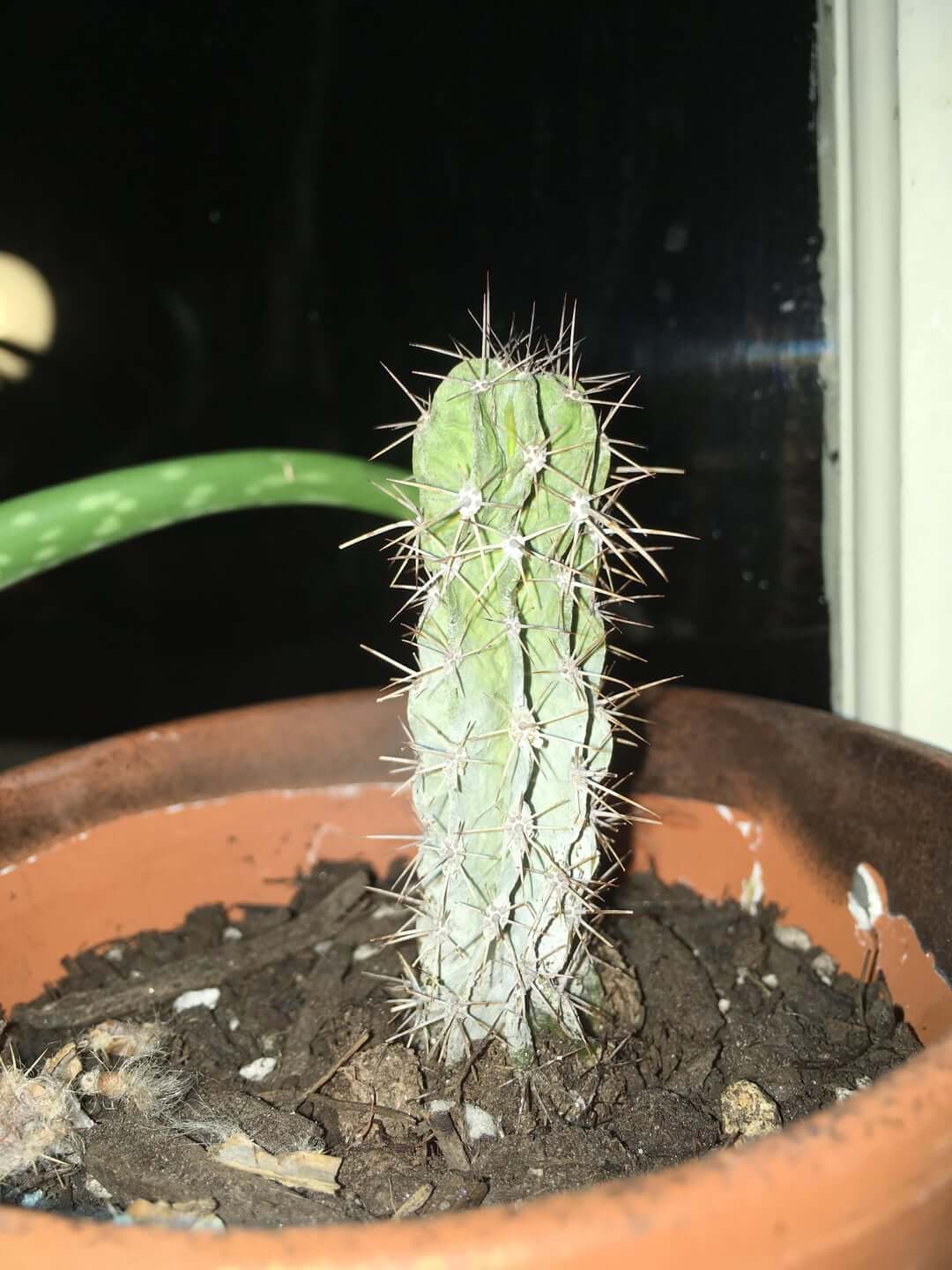
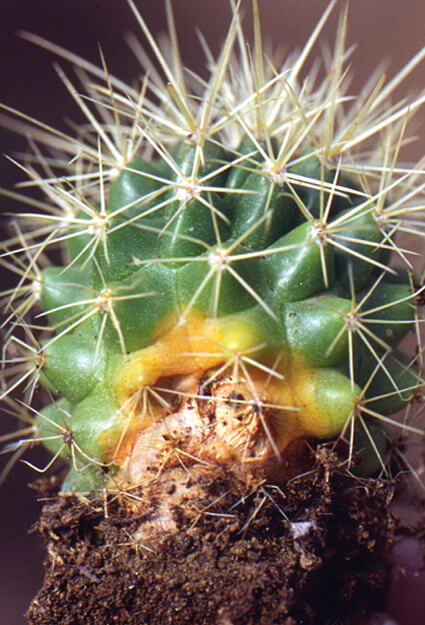

DESCRIPTION
WHO CAUSES IT?
Fusarium oxysporum is a pathogenic fungus that affects a wide variety of plants, including cacti. This fungus lives in the soil and can survive in the form of chlamydospores for long periods in the absence of a suitable host. Chlamydospores germinate under favorable conditions, producing hyphae that invade the roots of the plant. Through the vascular system, the fungus spreads, clogging xylem vessels and interfering with the transport of water and nutrients. The reproduction of the fungus occurs through the formation of microconidia and macroconidia that spread through soil, water or infected plant material. These structures allow the perpetuation and dispersion of the fungus, facilitating new infections and persistence in the environment. The ability of Fusarium oxysporum to adapt to different environmental conditions and hosts contributes to its significant impact on agriculture.
SYMPTOMS
Fusariosis caused by Fusarium oxysporum is a devastating disease for cacti. This disease causes symptoms ranging from wilting to death of the plant, affecting its vitality and appearance.
- Withering of the stems.
- Yellowish discoloration of fabrics.
- Necrotic lesions at the base of the stems.
- Regressive death of the aerial parts.
- Root rot.
- Collapse of the internal structure of the plant.


TEMPERATURE AND HUMIDITY
25°C - 30°C
60% - 80%

HOW IS IT SPREAD?
Contaminated soil, Irrigation water, Infected plant material, Cultivation tools, Insect vectors, Wind

HOW TO REMOVE IT?
Home remedies
There are no home treatments
Chemical treatments
• AZOXISTROBIN 25% [SC] P/V
• CAPTAN 47.5% [SC] P/V
• CIPRODINIL 37.5% + FLUDIOXONIL 25% [WG] P/P
• FOLPET 50% [SC] P/V
• FOLPET 80% [WG] P/P
• PIRACLOSTROBIN 6.7% + BOSCALIDE 26.7% (I) [WG] P/P
Authorized treatments in organic farming
-
Insect allies
PREDATORY MITES
LADYBUGS
LACEWINGS
PARASITIC WASPS
HOVERFLIES OR PARASITIC FLIES
PREDATORY BUGS
There are no natural allies
Mycodiplosis oidii (predatory mosquito)
EFFECTIVE PRODUCTS TO ELIMINATE THIS DISEASE
Sponsored link
Sponsored link


Sponsored link
Sponsored link
Sponsored link


Sponsored link
Sponsored link
Effective against all types of fungi

Sponsored link


Sponsored link
Sponsored link

Sponsored link


Sponsored link
- Use sterile and pathogen-free substrates for growing cacti.
- Avoid excessive watering and ensure that drainage is adequate to prevent favorable conditions for the fungus.
- Implement crop rotations and avoid planting cacti in soils previously infested with Fusarium oxysporum.
- Disinfect cultivation tools and equipment before using them on different plants to prevent the spread of the fungus.
- Apply specific systemic fungicides, following technical recommendations and local regulations.
- Promote the use of cactus varieties resistant or tolerant to fusariosis.
- Regularly inspect plants for early symptoms of infection and immediately remove affected plants.
- Use biocontrol agents, such as Trichoderma spp., to reduce the presence of Fusarium oxysporum in the soil.
- Maintain a growing environment with good air circulation to reduce relative humidity around the plants.
- Avoid mechanical wounds on the roots and stems that could facilitate the entry of the fungus.
Recommendations

Enjoy idMicrobe TOTALLY FREE, with no trial periods.


