

Orugas o gusanos
Heliothis
Helicoverpa Armigera
Pathogen:
Insect
Type:
Risk to the plant:
HIGH
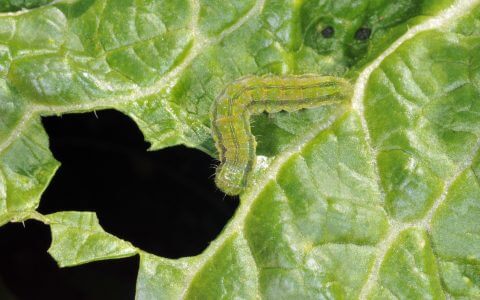
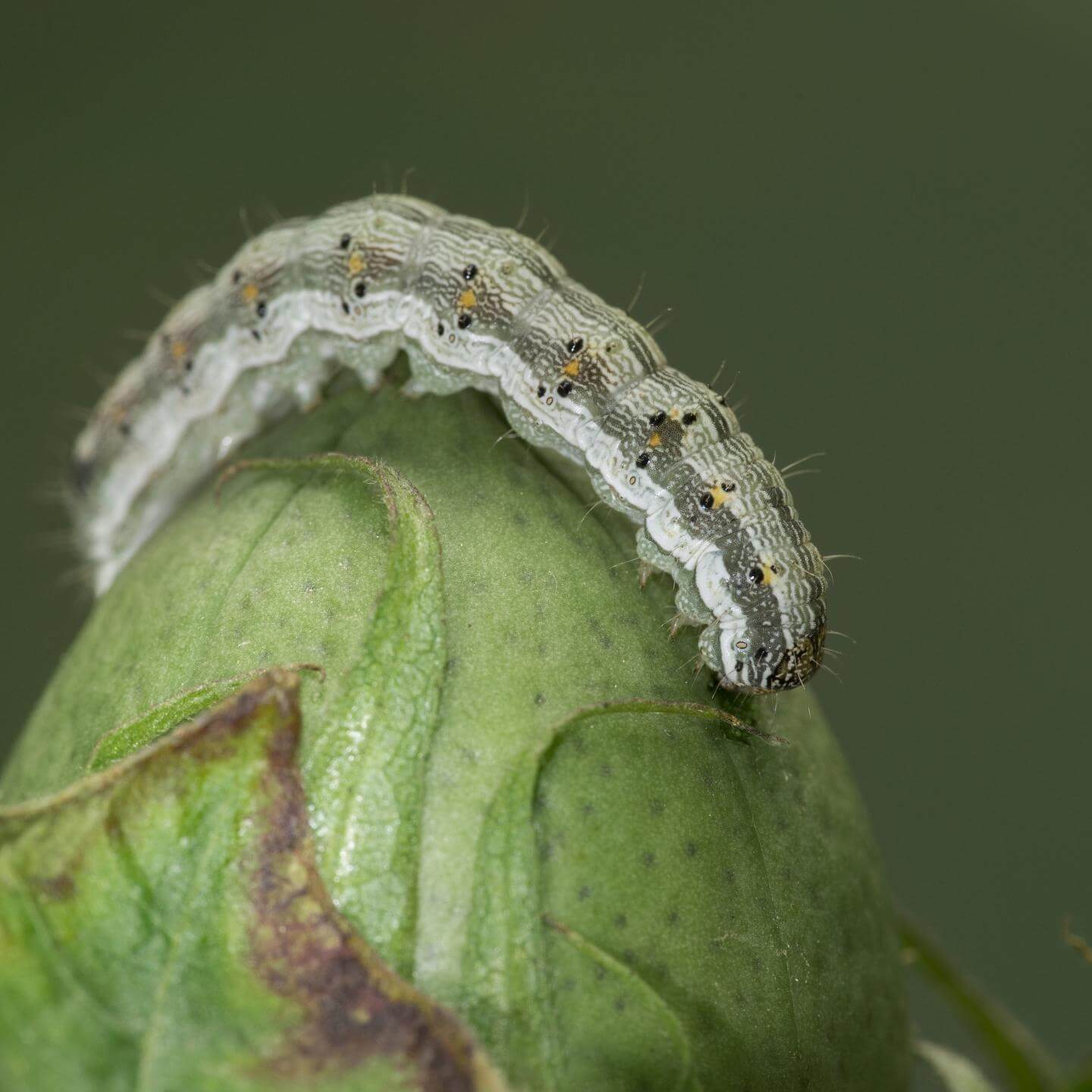

DESCRIPTION
WHO CAUSES IT?
Helicoverpa armigera, also known as the earworm or the tomato caterpillar, is a polyphagous insect that attacks a wide variety of crops, including lettuce and other vegetables. This species of lepidoptera belongs to the Noctuidae family. Adults are brown or green moths with dark-edged wings and can lay up to 1,000 eggs during their lifetime. Females lay eggs, usually individually, on young leaves and flowers. The larvae emerge after a few days and go through several larval stages, feeding voraciously on plant tissues, creating deep holes and cavities. Upon completing their larval stage, the caterpillars burrow into the ground to pupate. The pupation phase lasts between 10 and 15 days before they emerge as adults, repeating the process. The development of Helicoverpa armigera is influenced by environmental conditions, especially temperature and food availability, which allows them to have multiple generations per year in favorable climates.
SYMPTOMS
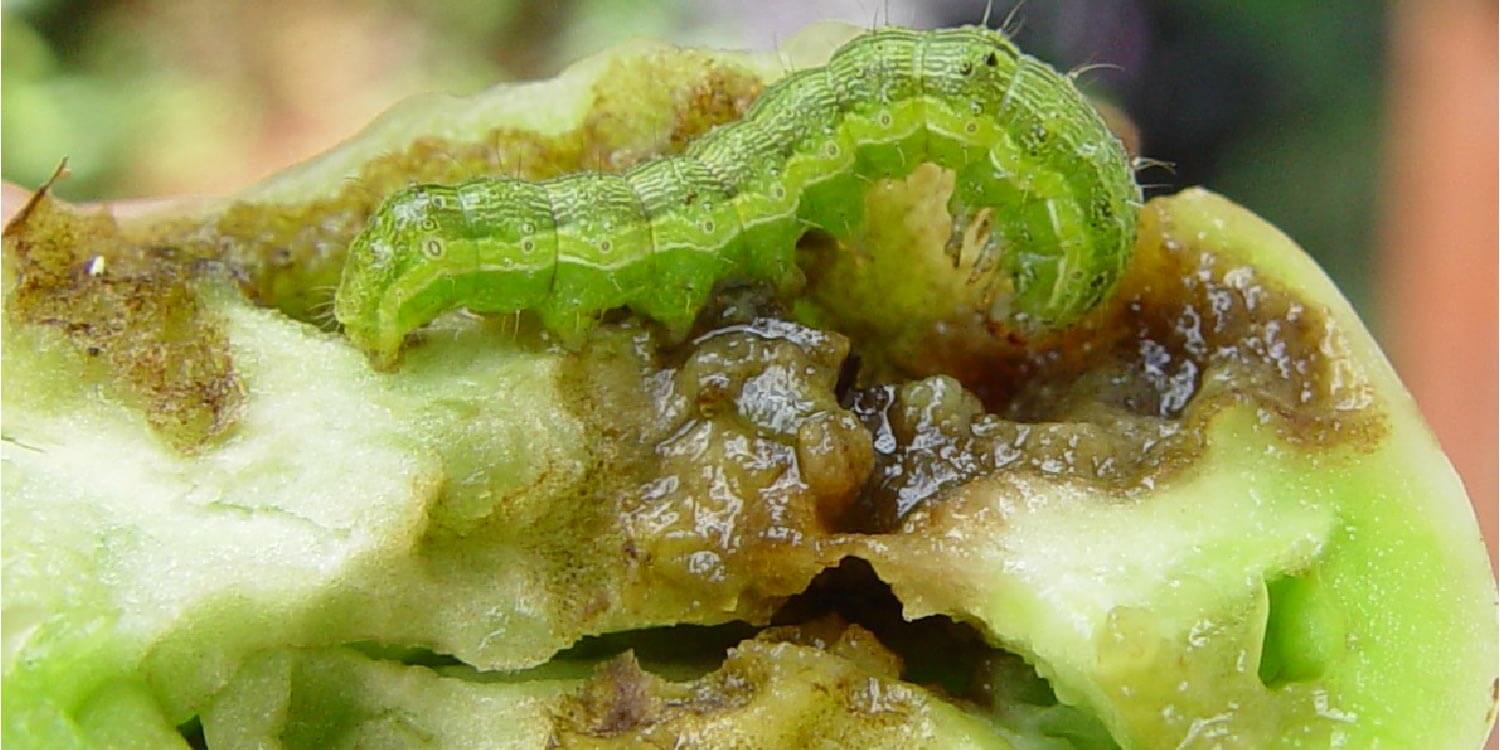
In lettuce crops and similar species, Helicoverpa armigera causes the disease known as Heliothis, which can cause serious damage to plants. The larvae feed on the leaves and, in severe cases, the stems and buds, which prevents the proper development of the crop. This pest affects both the quality and yield of the crop, generating considerable losses, especially in the early growth stages of the plant. Areas affected by larvae often become vulnerable to secondary infections by pathogens.
- Irregular perforations in the leaves.
- Destruction of tender shoots.
- Damage to flowers and formation of cavities in the leaves.
- Reduction in the plant's photosynthesis capacity.
- Appearance of excrement on affected leaves.
- Increase in secondary fungal infections.
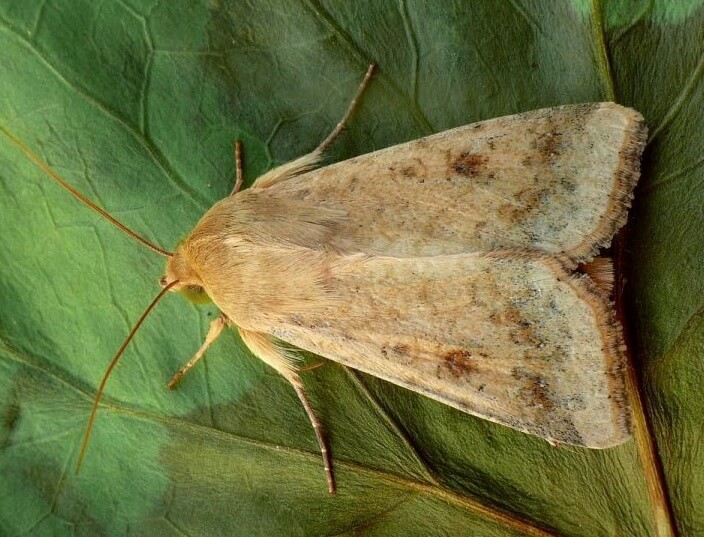


TEMPERATURE AND HUMIDITY
18-32°C
50-85%

HOW IS IT SPREAD?
Wind, Movement of infected plants, Contact with contaminated tools, Migration of flying adults

HOW TO REMOVE IT?
Home remedies
There are no home treatments
Chemical treatments
• CHLORANTRANILIPROL 35% [WG] P/P
• DELTAMETHRIN 1.5% [EW] P/V
• DELTAMETHRIN 1.57% [SC] P/V
• DELTAMETHRIN 10% [EC] P/V
• DELTAMETHRIN 2.5% [EC] P/V
• DELTAMETHRIN 2.5% [EW] P/V
• LAMBDA CYHALOTHRIN 1.5% [CS] P/V
• LAMBDA CYHALOTHRIN 10% [CS] P/V
• LAMBDA CYHALOTHRIN 2.5% [WG] P/P
• METAFLUMIZONE 24% [SC] P/V
• SPINETORAM 2.5% [SC] P/V
Authorized treatments in organic farming
• LAMBDA CYHALOTHRIN 1.5% [CS] P/V
• LAMBDA CYHALOTHRIN 10% [CS] P/V
• LAMBDA CYHALOTHRIN 2.5% [WG] P/P
Insect allies
PREDATORY MITES
LADYBUGS
LACEWINGS
PARASITIC WASPS
HOVERFLIES OR PARASITIC FLIES
PREDATORY BUGS
There are no natural allies
Mycodiplosis oidii (predatory mosquito)
EFFECTIVE PRODUCTS TO ELIMINATE THIS DISEASE
Sponsored link
Sponsored link


Sponsored link
Sponsored link
Sponsored link


Sponsored link
Sponsored link
Effective against all types of fungi

Sponsored link


Sponsored link
Sponsored link

Sponsored link


Sponsored link
- Monitor the crop using pheromone traps to detect the presence of adults and establish action thresholds to control the pest.
- Promote biodiversity in the countryside to increase the presence of natural enemies such as parasitoid wasps and predators that help reduce larval populations.
- Use biological insecticides, such as Bacillus thuringiensis, in the early larval stages to control the pest without affecting beneficial insects.
- Implement crop rotation practices that are not hosts of Helicoverpa armigera to reduce the residual population in the soil.
- Manually eliminate the larvae in the first stages of infestation, reducing the possibility of expansion to other plants.
- Avoid the repetitive use of chemical insecticides with the same mode of action, rotating products from different groups to minimize the risk of resistance.
- Carry out adequate management of crop residues to reduce food sources for larvae and minimize reinfestation in the following season.
- Use plant covers and physical barriers to make it difficult for moths to access plants.
Recommendations

Enjoy idMicrobe TOTALLY FREE, with no trial periods.


