

Fusariosis
Fusarium Wilt
Fusarium Oxysporum
Pathogen:
Fungus
Type:
Risk to the plant:
HIGH
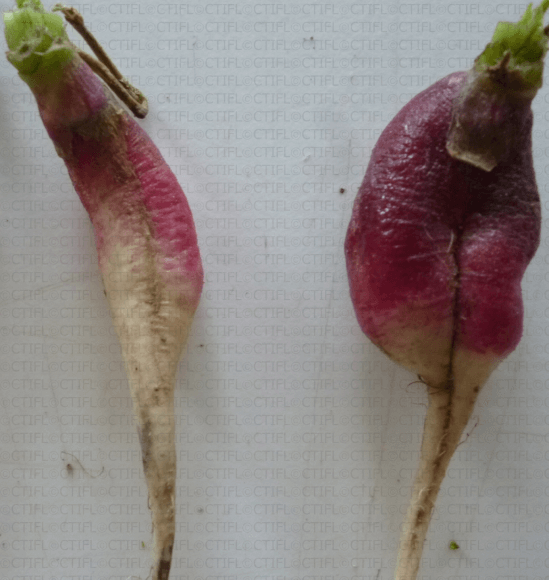
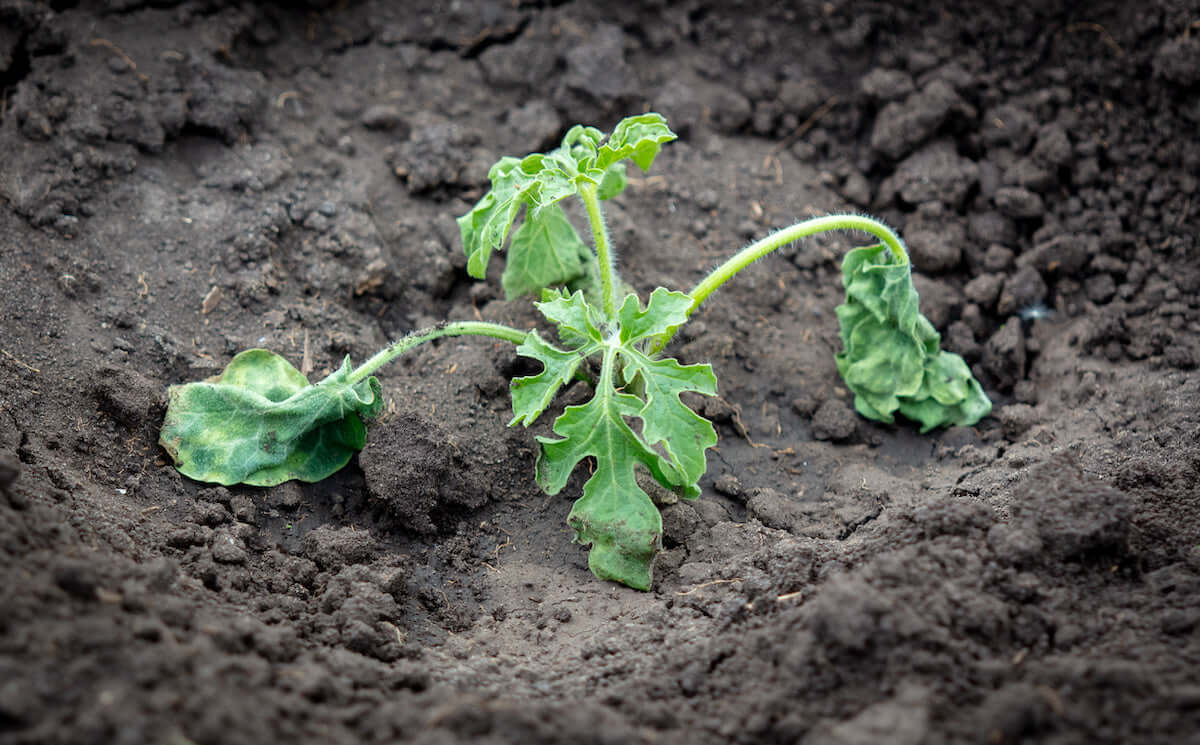

DESCRIPTION
WHO CAUSES IT?
Fusarium oxysporum is a phytopathogenic fungus that affects a wide variety of plants, including radish. This pathogen is soil-dwelling and can survive for long periods as resistant chlamydospores. When conditions are favorable, chlamydospores germinate and produce hyphae that invade plant roots. Through the xylem vessels, the fungus spreads throughout the plant, blocking the flow of water and nutrients, causing wilting symptoms. Fusarium oxysporum can also produce microconidia and macroconidia that spread through soil and water, facilitating the spread of the disease. In addition, it can survive in infected plant remains, maintaining the ability to infect future plantations.
SYMPTOMS
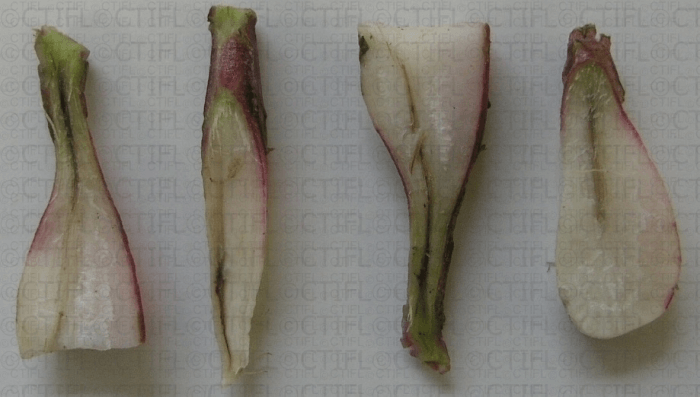
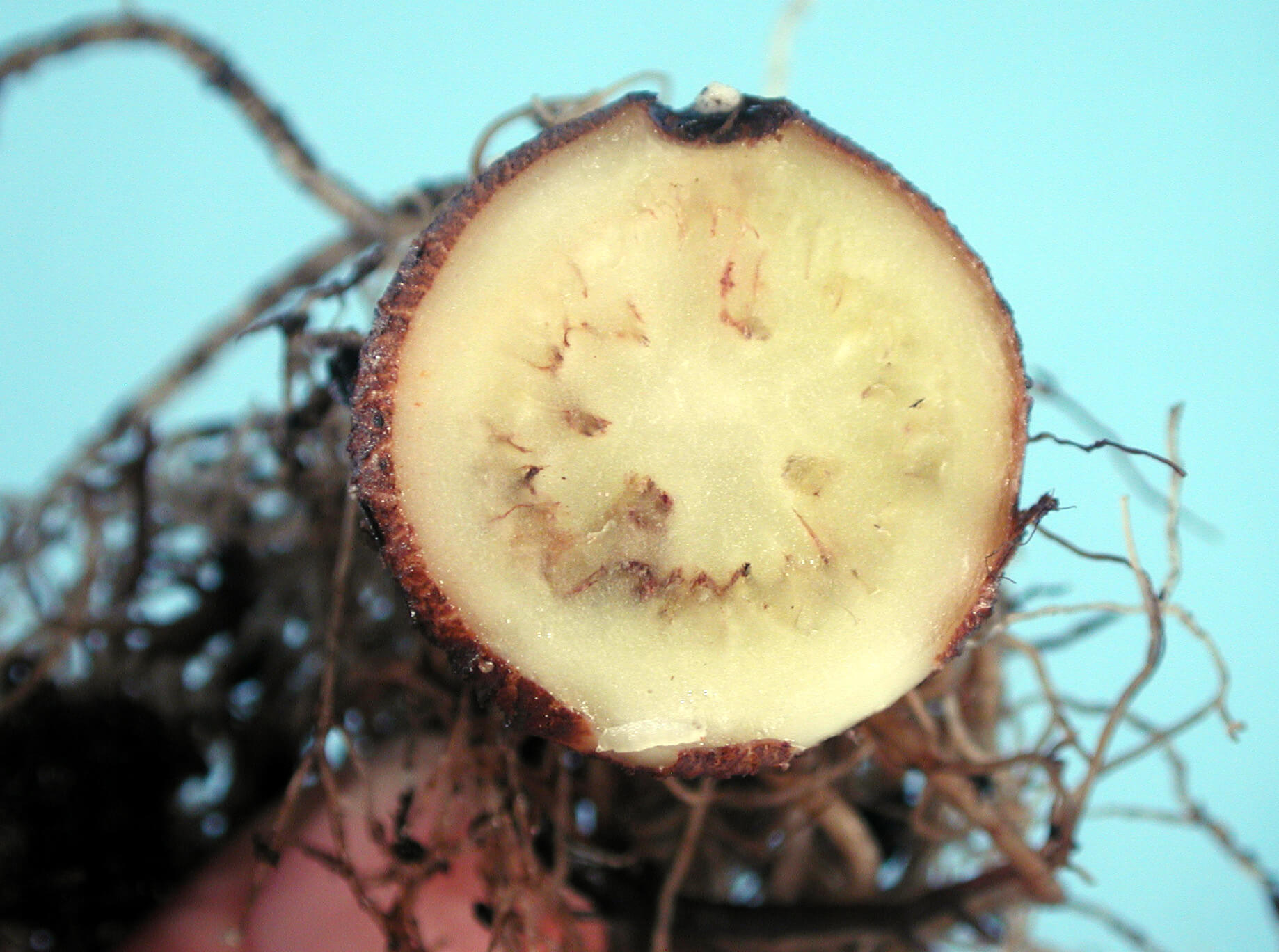
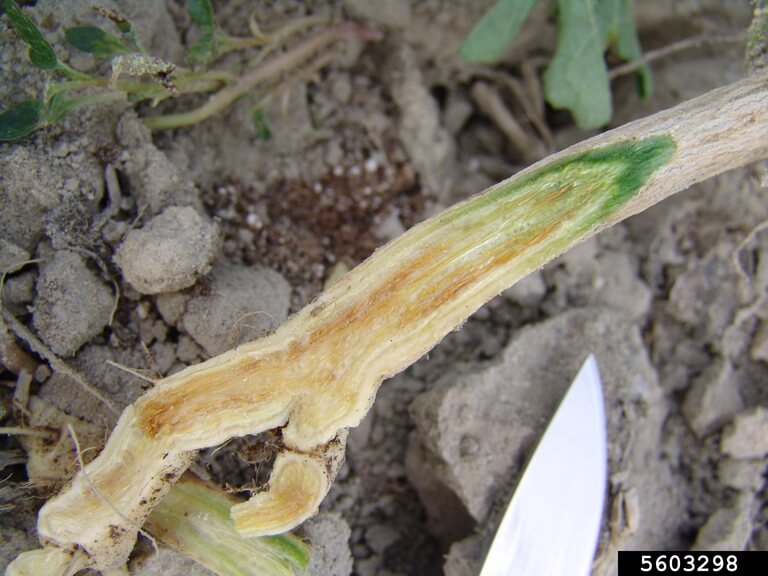
Fusarium wilt in radish manifests itself through a series of symptoms that mainly affect the vascular system of the plant. Early signs include yellowing and sagging of older leaves, progressing to complete wilting of the plant. The roots may present brown discoloration and internal rot that weakens the structure of the plant, affecting its overall growth and development.
- Yellowing of older leaves
- Sagging of the leaves
- Total wilting of the plant
- Brown discoloration at the roots
- Internal root rot
- Reduced growth and weakness of the plant

TEMPERATURE AND HUMIDITY
20°C - 30°C
60% - 80%

HOW IS IT SPREAD?
Contaminated soil, Contaminated irrigation water, Infected plant remains, Contaminated agricultural tools

HOW TO REMOVE IT?
Home remedies
There are no home treatments
Chemical treatments
• AZOXISTROBIN 25% [SC] P/V
Authorized treatments in organic farming
-
Insect allies
PREDATORY MITES
LADYBUGS
LACEWINGS
PARASITIC WASPS
HOVERFLIES OR PARASITIC FLIES
PREDATORY BUGS
There are no natural allies
Mycodiplosis oidii (predatory mosquito)
EFFECTIVE PRODUCTS TO ELIMINATE THIS DISEASE
Sponsored link

Sponsored link


Sponsored link
Sponsored link
Sponsored link


Sponsored link
Sponsored link
Effective against all types of fungi

Sponsored link


Sponsored link
Sponsored link

Sponsored link


Sponsored link
- Implement a crop rotation with species not susceptible to Fusarium.
- Use radish varieties resistant to Fusarium oxysporum.
- Improve soil drainage to avoid waterlogging conditions.
- Apply treatments with specific fungicides preventively.
- Maintain cleanliness of agricultural tools and machinery to prevent the spread of the fungus.
- Remove and destroy the remains of infected plants.
- Avoid excessive irrigation and provide proper water management.
- Regularly monitor cultures to detect the first signs of infection.
- Use organic amendments and biocontrollers to improve soil health and reduce the Fusarium population.
Recommendations

Enjoy idMicrobe TOTALLY FREE, with no trial periods.


