

Mildiu
Mildew
Peronospora Parasitica
Pathogen:
Oomycete
Type:
Risk to the plant:
HIGH

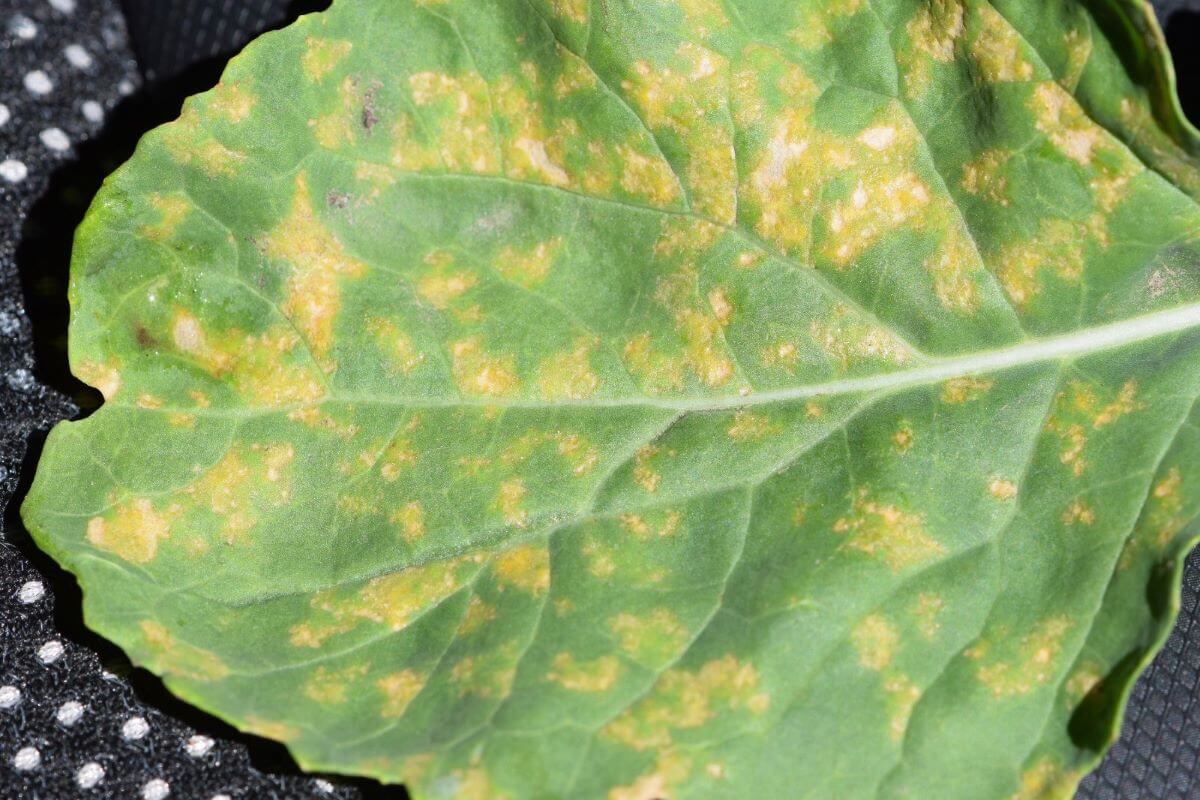

DESCRIPTION
WHO CAUSES IT?
Peronospora parasitica is an oomycete pathogen that causes downy mildew on various plants, including radish. This organism forms sporangia in conditions of high humidity and moderate temperatures. Sporangia are dispersed by wind and water, and when they land on a susceptible, moist plant surface, they germinate and penetrate plant tissues. Inside the plant, Peronospora parasitica develops intercellular hyphae that extract nutrients and produce more sporangia on the lower surface of the leaves. This cyclical reproduction allows the pathogen to cause repeated and severe infections in host plants. Downy mildew persists in the soil and on infected plant remains, providing a continuous source of inoculum for new infections.
SYMPTOMS
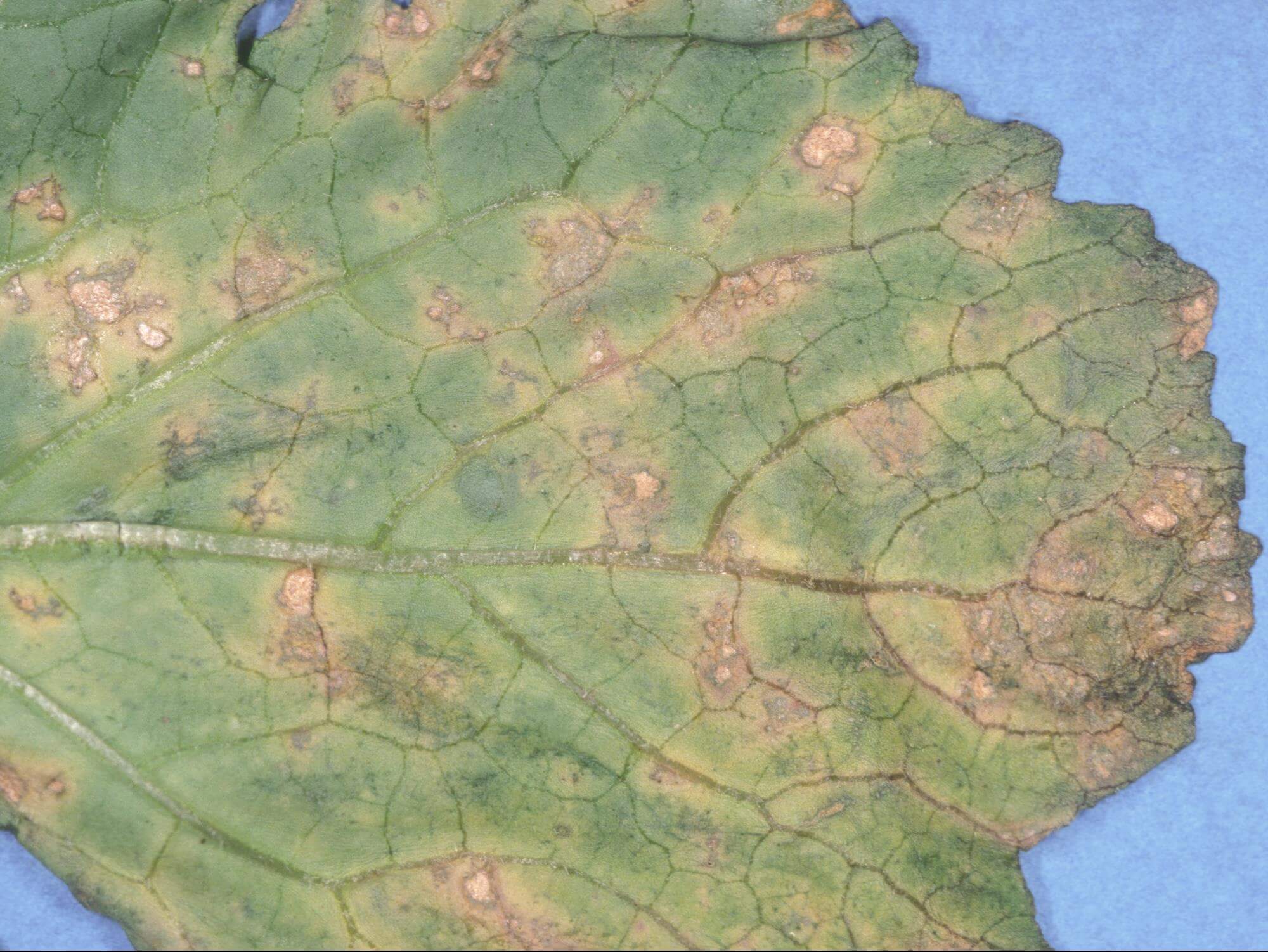
Downy mildew caused by Peronospora parasitica on radish causes the appearance of chlorotic Taches on the leaves, which subsequently become necrotic. On the underside of the leaves you can see a grayish or purple fungal growth, corresponding to the sporangia of the pathogen. The infection reduces the photosynthetic capacity of the plant and can lead to premature defoliation, affecting the growth and development of the radish.
- Chlorotic Taches on the leaves
- Necrosis of affected areas
- Grayish or purple fungal growth on the underside of leaves
- Reduction of photosynthetic capacity
- Premature defoliation
- Stunted growth of radish


TEMPERATURE AND HUMIDITY
10°C - 20°C
85% - 100%

HOW IS IT SPREAD?
Sporangia carried by wind, Contaminated irrigation water, Contaminated agricultural tools, Infected plant remains

HOW TO REMOVE IT?
Home remedies
There are no home treatments
Chemical treatments
• ORANGE OIL 6% [SL] P/V
• ORANGE OIL 60g/L [ME] P/S
• AZOXISTROBIN 20% + DIFENOCONAZOLE 12.5% [SC] P/V
• AZOXISTROBIN 25% [SC] P/V
• COPPER OXYCHLORIDE 35% (EXPR. IN CU) [WG] P/P
• COPPER OXYCHLORIDE 50% (EXPR. IN CU) [WP] P/P
• CUPROCALCIC SULFATE 12.4% (EXPR. IN CU) [SC] P/V
• CUPROCALCIC SULFATE 20% (EXPR. IN CU) [WG] P/P
Authorized treatments in organic farming
• ORANGE OIL 6% [SL] P/V
• ORANGE OIL 60g/L [ME] P/S
• COPPER OXYCHLORIDE 35% (EXPR. IN CU) [WG] P/P
• COPPER OXYCHLORIDE 50% (EXPR. IN CU) [WP] P/P
• CUPROCALCIC SULFATE 12.4% (EXPR. IN CU) [SC] P/V
• CUPROCALCIC SULFATE 20% (EXPR. IN CU) [WG] P/P
Insect allies
PREDATORY MITES
LADYBUGS
LACEWINGS
PARASITIC WASPS
HOVERFLIES OR PARASITIC FLIES
PREDATORY BUGS
There are no natural allies
Mycodiplosis oidii (predatory mosquito)
EFFECTIVE PRODUCTS TO ELIMINATE THIS DISEASE
Sponsored link
Sponsored link


Sponsored link
Sponsored link
Sponsored link


Sponsored link
Sponsored link
Effective against all types of fungi

Sponsored link


Sponsored link
Sponsored link

Sponsored link


Sponsored link
- Regularly monitor crops to detect the first signs of the disease.
- Implement a crop rotation with plants not susceptible to downy mildew.
- Use radish varieties resistant or tolerant to Peronospora parasitica.
- Improve air circulation between plants to reduce humidity in the foliage.
- Avoid sprinkler irrigation to minimize the dispersal of sporangia.
- Remove and destroy the remains of infected plants to reduce the source of inoculum.
- Apply specific fungicides preventively and in the early stages of infection.
- Maintain good soil drainage to avoid waterlogging conditions.
Recommendations

Enjoy idMicrobe TOTALLY FREE, with no trial periods.


