


Pulgones
Aphids: what they are, how they originate, and how to eliminate them effectively
Aphid
Myzus Persicae, Aphis Gossypii, Macrosiphum Euphorbiae, Aulacorthum Solani, Nasonovia Ribisnigri
Pathogen:
Insect
Type:
Risk to the plant:
HIGH
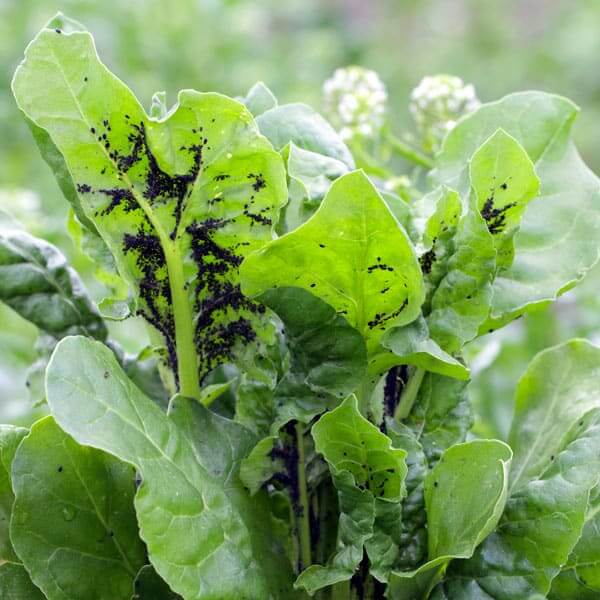
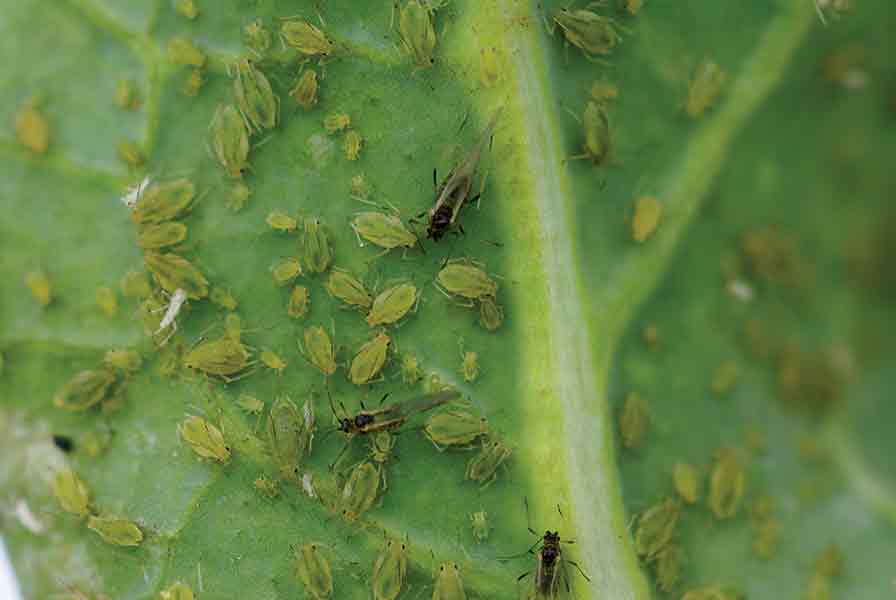

DESCRIPTION
WHO CAUSES IT?
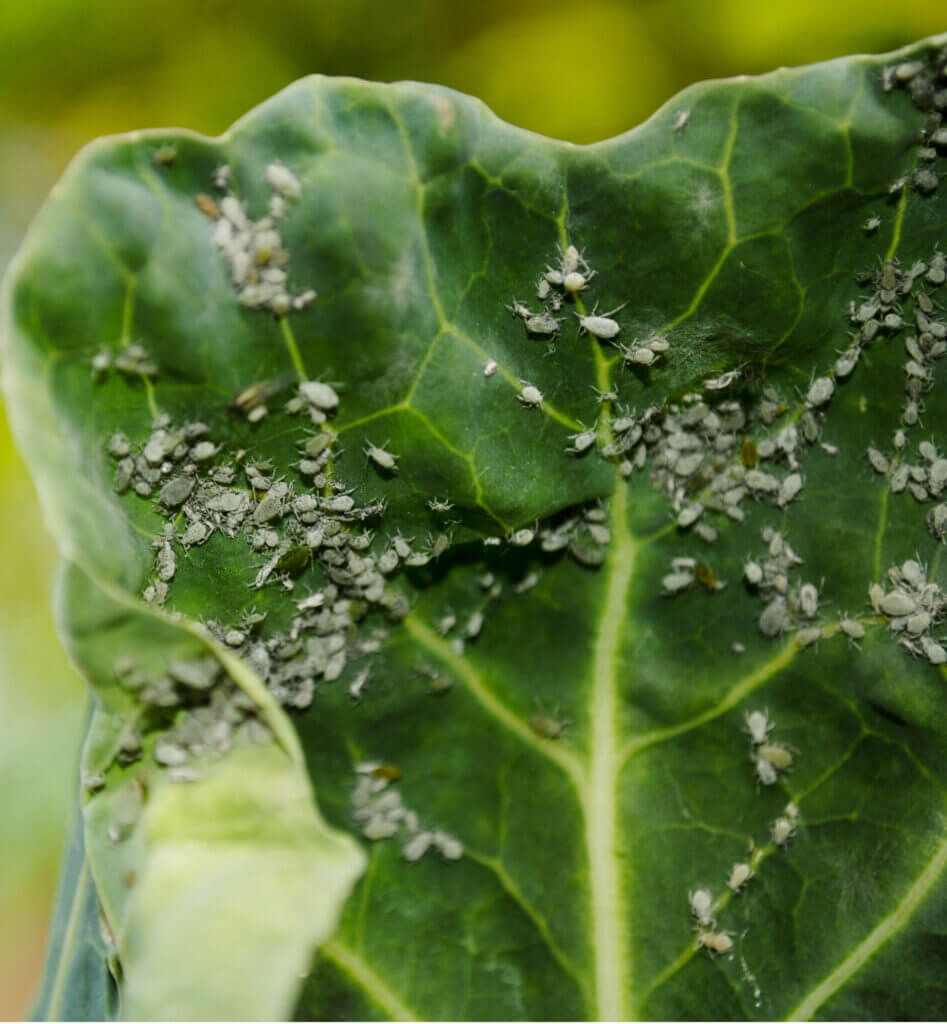
Aphids, such as Myzus persicae, Aphis gossypii, Macrosiphum euphorbiae, Aulacorthum solani and Nasonovia ribisnigri, are small, soft insects that attack a wide variety of crops, including lettuce. These aphids usually reproduce through parthenogenesis, where females produce live offspring without the need to mate. This mechanism allows the rapid proliferation of aphid populations under favorable conditions. During warm seasons, winged females migrate to new host plants, while wingless forms remain on already infested plants. Aphids suck plant sap with their mouthparts, weakening the plants, transmitting viruses and leaving honeydew on the leaves, which favors the development of saprophytic fungi. Under adverse conditions, aphids can form overwinter eggs, resuming activity when temperatures are warmer the following season.
SYMPTOMS
Aphids cause considerable damage to lettuce crops by weakening the plants and reducing their growth due to the constant extraction of sap. This affects the overall development and quality of the leaves, making them less suitable for consumption. In addition, aphids act as vectors of phytopathogenic viruses that can cause additional diseases in plants. The accumulation of honeydew on the leaves encourages the appearance of molds that cover the leaves, affecting their photosynthetic capacity and reducing the commercial quality of the harvest.
- Dwarfism and deformation of young leaves.
- Yellowing of the affected leaves.
- Presence of aphid colonies on the underside of the leaves.
- Secretion of honeydew that covers the leaves.
- Appearance of sooty mold (black mold) on the molasses.
- Reduction in the general vigor of the plant.
- Transmission of viruses such as the mosaic virus.
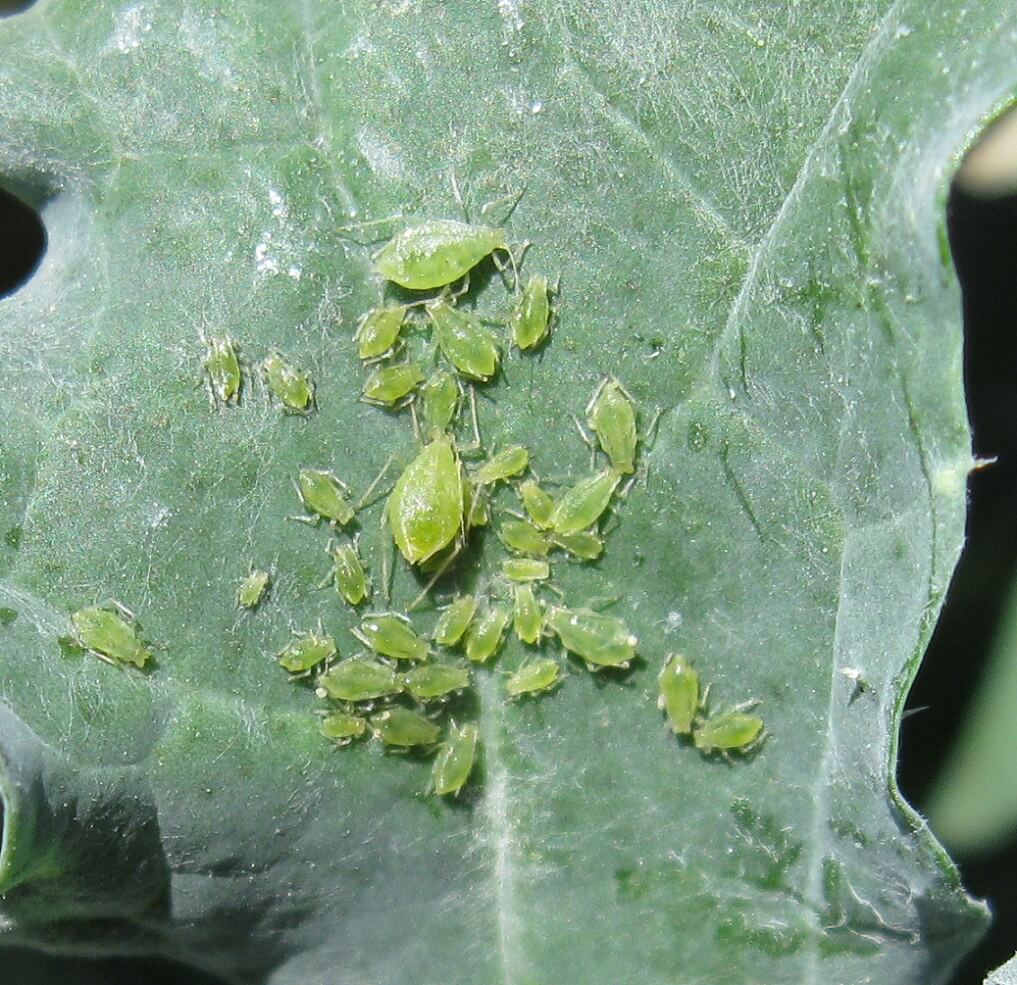
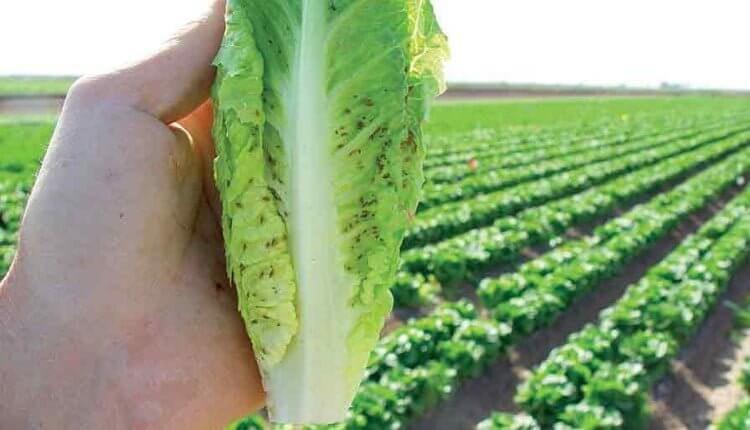

TEMPERATURE AND HUMIDITY
15-25°C
70-80%

HOW IS IT SPREAD?
Wind, contact between plants, migration of winged aphids, contaminated tools, infected transplants, human vectors

HOW TO REMOVE IT?
Home remedies
There are no home treatments
Chemical treatments
• RAPE OIL 1.53% [AL] P/V
• ACETAMIPRID 20% [SG] P/P
• ACETAMIPRID 20% [SL] P/V
• ACETAMIPRID 20% [SP] P/P
• AZADIRACTIN 1% (AS AZADIRACTIN A) [EC] P/V
• Azadirachtin 2.6% (AS AZADIRACTIN A) [EC] P/V
• CYANTRANILIPROL 20% [SC] P/V
• DELTAMETHRIN 1.57% [SC] P/V
• DELTAMETHRIN 10% [EC] P/V
• DELTAMETHRIN 2.5% [EC] P/V
• DELTAMETHRIN 2.5% [EW] P/V
• FLUPYRADIFURONE 20% [SL] P/V
• LAMBDA CYHALOTHRIN 1.5% [CS] P/V
• LAMBDA CYHALOTHRIN 10% [CS] P/V
• LAMBDA CYHALOTHRIN 2.5% [WG] P/P
• LAMBDA CYHALOTHRIN 5% [EG] P/P
• PYRETHRINS 2% (PYRETHRE EXTR.) [EC] P/V
• PYRETHRINS 2% [EC] P/V
• PYRETHRINS 4% (PYRETHHRINE EXTR.) [EC] P/V
• PYRETHRINS 4% [EC] P/V
• PIRIMICARB 50% [WG] P/P
• POTASSIUM SALTS OF FATTY ACIDS C14-C20 48% [EW] P/V
• SPIROTETRAMAT 10% [SC] P/V
• SPIROTETRAMAT 15% [OD] P/V
• TAU-FLUVALINATE 24% [EW] P/V
Authorized treatments in organic farming
• RAPE OIL 1.53% [AL] P/V
• AZADIRACTIN 1% (AS AZADIRACTIN A) [EC] P/V
• Azadirachtin 2.6% (AS AZADIRACTIN A) [EC] P/V
• LAMBDA CYHALOTHRIN 1.5% [CS] P/V
• LAMBDA CYHALOTHRIN 10% [CS] P/V
• LAMBDA CYHALOTHRIN 2.5% [WG] P/P
• LAMBDA CYHALOTHRIN 5% [EG] P/P
• PYRETHRINS 2% (PYRETHRE EXTR.) [EC] P/V
• PYRETHRINS 2% [EC] P/V
• PYRETHRINS 4% (PYRETHHRINE EXTR.) [EC] P/V
• PYRETHRINS 4% [EC] P/V
• POTASSIUM SALTS OF FATTY ACIDS C14-C20 48% [EW] P/V
Insect allies
PREDATORY MITES
LADYBUGS
LACEWINGS
PARASITIC WASPS
HOVERFLIES OR PARASITIC FLIES
PREDATORY BUGS
There are no natural allies
Mycodiplosis oidii (predatory mosquito)
EFFECTIVE PRODUCTS TO ELIMINATE THIS DISEASE



- Implement physical barriers, such as anti-insect mesh, to prevent aphids from entering the crop.
- Promote biodiversity by planting species that attract natural enemies of aphids, such as ladybugs, lacewings and parasitoid wasps.
- Apply biological control with the introduction of natural predators into the environment, such as *Aphidius colemani* and *Chrysoperla carnea*.
- Use mineral oils or insecticidal soaps to suffocate aphid colonies without seriously affecting natural enemies.
- Carry out regular inspections in the early stages of cultivation to detect the early presence of aphids and apply control treatments if necessary.
- Avoid excessive use of nitrogen fertilizers, as they promote vegetative growth that is attractive to aphids.
- Rotate crops and avoid planting susceptible species consecutively to reduce aphid populations in the soil.
- In case of severe infestations, apply specific insecticides locally, alternating products with different modes of action to avoid resistance.
Recommendations



Explore more tools
Services
Contact
Legal
©2023 by ZeriMar Laboratoire. All rights reserved.