

Nematodos
Stem and bulb nematode: what it is, how it originates, and how to eliminate it effectively
Stem And Bulb Nematode
D.Angustus, D.Destructor, D.Dipsaci
Pathogen:
Nematode
Type:
Risk to the plant:
HIGH
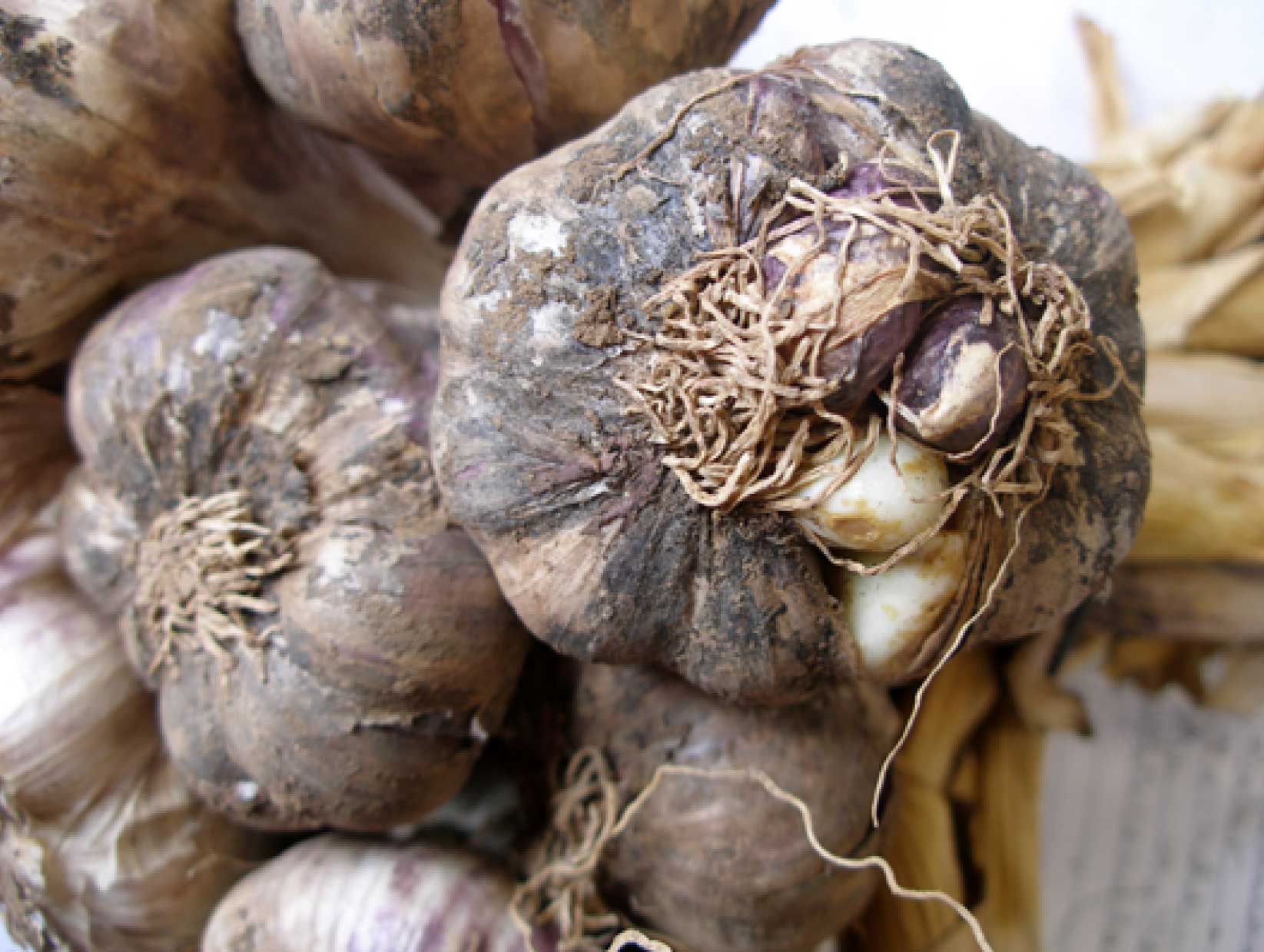
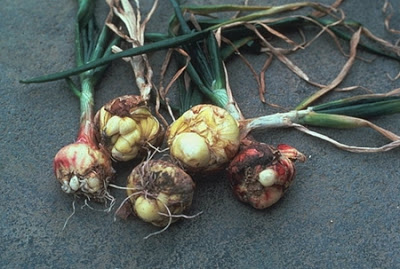

DESCRIPTION
WHO CAUSES IT?
Ditylenchus angustus, Ditylenchus destructor and Ditylenchus dipsaci are plant parasitic nematodes that cause the disease known as stem and bulb nematode in various plants, including garlic. These nematodes have a complex life cycle that includes egg, larva, and adult stages. The eggs hatch in the soil or within plant tissues, releasing larvae that feed on plant cells. As the larvae grow, they go through several molts until they become adults. Adults can continue feeding and reproducing inside the plant or move to the soil to infect new plants. This cycle can repeat several times a year, depending on environmental conditions, allowing nematodes to persist in fields for long periods.
SYMPTOMS
Infestation by Ditylenchus angustus, Ditylenchus destructor and Ditylenchus dipsaci in garlic causes a disease that seriously affects both the quality and quantity of the crop. Nematodes feed on the internal tissues of garlic, causing a series of symptoms that can hinder the growth and development of plants.
- Swelling and deformations in the stems.
- Discoloration and necrosis of the leaves.
- Blisters and lesions on the surface of the bulbs.
- Rotten and weak roots.
- Delay in plant growth.
- Loss of vigor and reduction in crop yield.


TEMPERATURE AND HUMIDITY
15°C - 25°C
60% - 80%

HOW IS IT SPREAD?
Contaminated soil, infected planting material, contaminated irrigation water, agricultural tools, crop residues, wind

HOW TO REMOVE IT?
Home remedies
There are no home treatments
Chemical treatments
• AZADIRACTIN 1% (AS AZADIRACTIN A) [EC] P/V
• Azadirachtin 2.6% (AS AZADIRACTIN A) [EC] P/V
• FLUOPYRAM 20% + TEBUCONAZOLE 20% [SC] P/V
Authorized treatments in organic farming
• AZADIRACTIN 1% (AS AZADIRACTIN A) [EC] P/V
• Azadirachtin 2.6% (AS AZADIRACTIN A) [EC] P/V
Insect allies
PREDATORY MITES
LADYBUGS
LACEWINGS
PARASITIC WASPS
HOVERFLIES OR PARASITIC FLIES
PREDATORY BUGS
There are no natural allies
Mycodiplosis oidii (predatory mosquito)
EFFECTIVE PRODUCTS TO ELIMINATE THIS DISEASE
Sponsored link
Sponsored link
Sponsored link


Sponsored link
Sponsored link
Sponsored link
Sponsored link


Sponsored link
Sponsored link
Effective against all types of fungi

Sponsored link
Sponsored link


Sponsored link
Sponsored link

Sponsored link
Sponsored link


Sponsored link
- Carry out crop rotation with non-host plants to reduce the accumulation of nematodes in the soil.
- Use certified planting material free of nematodes to avoid the introduction of the pest into the fields.
- Apply heat treatments to garlic bulbs before planting to eliminate any nematodes present.
- Implement soil solarization practices during the summer to reduce the nematode population.
- Maintain good hygiene in the field, eliminating crop remains and weeds that could serve as a refuge for nematodes.
- Apply specific nematicides following the technical recommendations and respecting the deficiency periods.
- Promote the activity of natural enemies of nematodes, such as antagonistic fungi and bacteria, by adding compost and organic matter.
- Avoid excessive irrigation and improve soil drainage to reduce favorable conditions for nematodes.
Recommendations

Enjoy idMicrobe TOTALLY FREE, with no trial periods.


