

Oídio
Powdery Mildew
Erysiphe Vaccinii
Pathogen:
Fungus
Type:
Risk to the plant:
HIGH
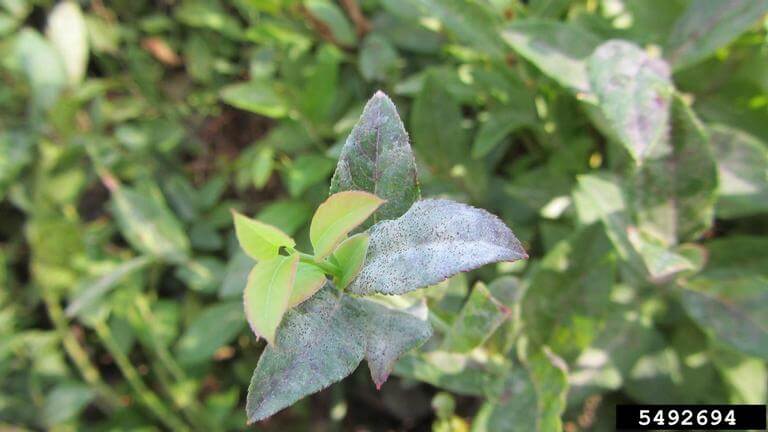
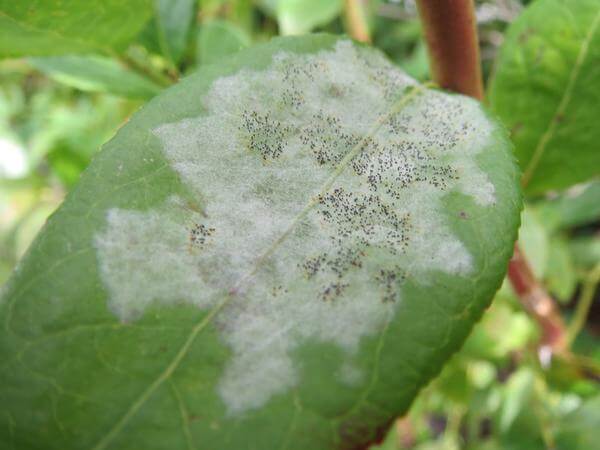

DESCRIPTION
WHO CAUSES IT?
Erysiphe vaccinii is a phytopathogenic fungus that mainly affects blueberry plants. This fungus produces asexual spores called conidia, which are dispersed by wind and water. Conidia germinate in conditions of high humidity and moderate temperatures, penetrating the epidermal tissue of the plant and establishing superficial infections. During the vegetative growth stage, the fungus develops mycelium on the surface of the leaves, producing a powdery white coating characteristic of powdery mildew. Furthermore, Erysiphe vaccinii can produce sexual spores in structures called cleistothecia, which are more resistant and can survive in adverse conditions, allowing the perpetuation of the fungus during unfavorable periods. These sexual spores germinate in the following growing season, initiating new infections.
SYMPTOMS
The disease caused by Erysiphe vaccinii in blueberries manifests itself with the appearance of a white powder on the surface of the leaves, stems and fruits, which affects photosynthesis and the development of the plant. Infection can reduce fruit quality and yield, as well as weaken plants, making them more susceptible to other diseases and adverse conditions.
- White powdery Taches on leaves, stems and fruits.
- Yellowing and premature leaf fall.
- Delay in plant growth.
- Distortion and malformation of leaves and young shoots.
- Reduction in the quality and size of the fruits.
- Greater susceptibility to other diseases.
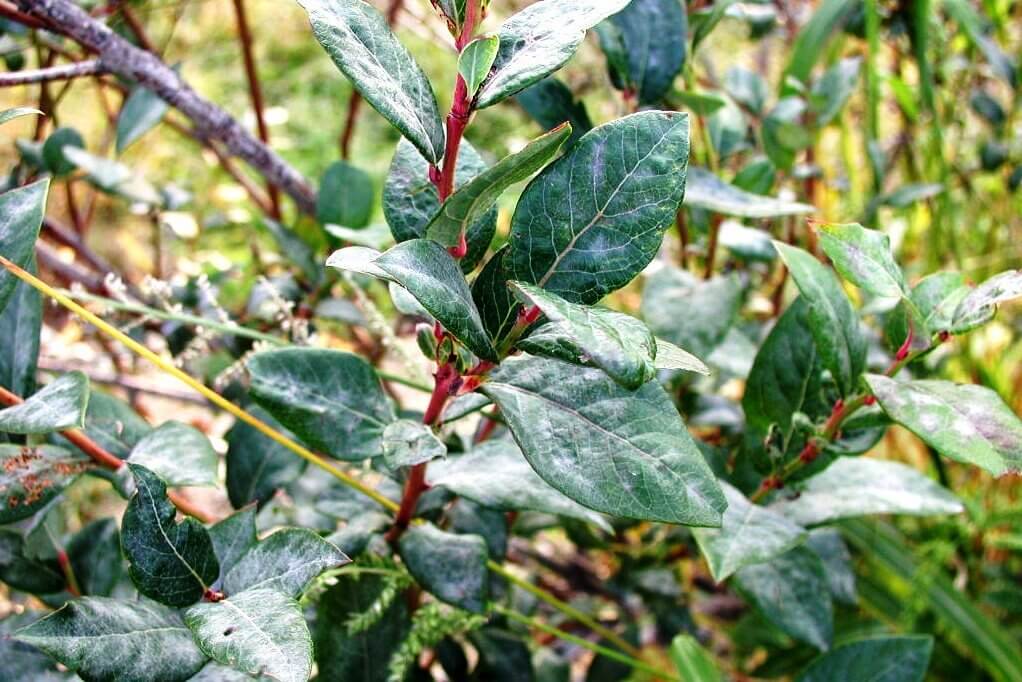


TEMPERATURE AND HUMIDITY
15°C - 25°C
70% - 90%

HOW IS IT SPREAD?
Wind, Water, Direct contact between plants, Contaminated tools, Remains of infected plants

HOW TO REMOVE IT?
Home remedies
There are no home treatments
Chemical treatments
• ORANGE OIL 6% [SL] P/V
• ORANGE OIL 60g/L [ME] P/S
• SULFUR 70% [SC] P/V
• SULFUR 80% [SC] P/V
• SULFUR 80% [WG] P/P
• CIFLUFENAMID 10% [SC] P/V
• COS-OGA 1.25% [SL] P/V
• EUGENOL 3.3% + GERANIOL 6.6% + THYMOL 6.6% [CS] P/V
• FLUOPYRAM 25% + TRIFLOXISTROBIN 25% [SC] P/V
• POTASSIUM HYDROGEN CARBONATE 99% [SP] P/P
• LAMINARIN 4.5% [SL] P/S
• PIRACLOSTROBIN 6.7% + BOSCALIDE 26.7% (I) [WG] P/P
Authorized treatments in organic farming
• ORANGE OIL 6% [SL] P/V
• ORANGE OIL 60g/L [ME] P/S
• SULFUR 70% [SC] P/V
• SULFUR 80% [SC] P/V
• SULFUR 80% [WG] P/P
• COS-OGA 1.25% [SL] P/V
• EUGENOL 3.3% + GERANIOL 6.6% + THYMOL 6.6% [CS] P/V
• POTASSIUM HYDROGEN CARBONATE 99% [SP] P/P
• LAMINARIN 4.5% [SL] P/S
Insect allies
PREDATORY MITES
LADYBUGS
LACEWINGS
PARASITIC WASPS
HOVERFLIES OR PARASITIC FLIES
PREDATORY BUGS
There are no natural allies
Mycodiplosis oidii (predatory mosquito)
EFFECTIVE PRODUCTS TO ELIMINATE THIS DISEASE
Sponsored link
Sponsored link


Sponsored link
Sponsored link
Sponsored link


Sponsored link
Sponsored link
Effective against all types of fungi

Sponsored link


Sponsored link
Sponsored link

Sponsored link


Sponsored link
- Regularly monitor blueberry crops to detect early symptoms of powdery mildew.
- Implement good air circulation in the field through proper plant spacing and pruning.
- Reduce moisture in the foliage by drip irrigation instead of sprinkling.
- Remove and destroy infected parts of the plant to reduce the spread of the fungus.
- Apply specific fungicides to control powdery mildew, following the recommendations for use and product rotation.
- Use blueberry varieties resistant or tolerant to powdery mildew.
- Maintain adequate fertilization to strengthen plants and improve their resistance to diseases.
- Promote cultural practices that reduce stress on plants, such as weed control and proper soil management.
- Carry out preventive applications of sulfur or potassium bicarbonate in conditions conducive to the development of the fungus.
Recommendations

Enjoy idMicrobe TOTALLY FREE, with no trial periods.


