

Minadores
Miner Or Fly
Pegomya Betae
Pathogen:
Insect
Type:
Risk to the plant:
HIGH


DESCRIPTION
WHO CAUSES IT?
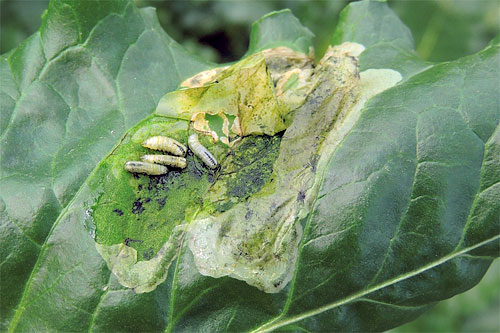
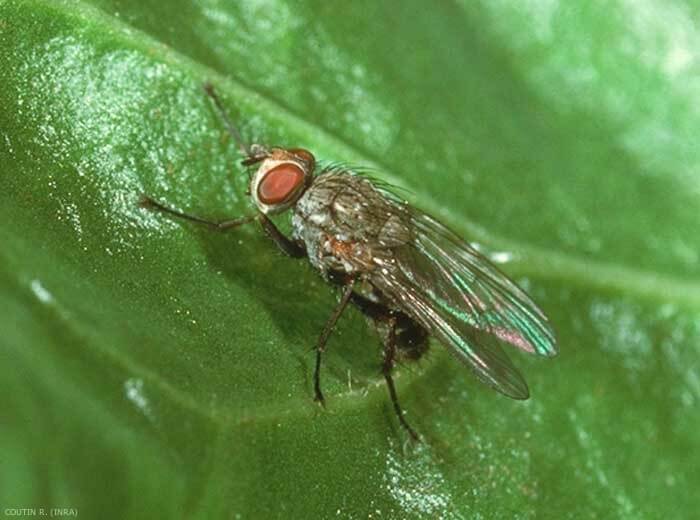
Pegomya betae, known as the beet miner fly, is a dipteran whose larvae feed on the leaf tissue of various plants, including spinach and similar crops. The adults emerge in spring and, after mating, the females deposit their eggs on the underside of the leaves. Each female can lay several hundred eggs during her lifetime. After a few days, the larvae hatch and begin to feed between the layers of the epidermis of the leaves, creating tunnels or galleries that are visible as whitish or translucent Taches. After completing their larval phase in about two weeks, the larvae fall to the ground where they pupate. Under favorable conditions, Pegomya betae can complete several generations per year, increasing pressure on crops. The adults, which look like small gray flies, are relatively harmless, but it is in their larval stage that they cause the most significant damage.
SYMPTOMS
Pegomya betae causes significant damage to spinach and the like, mainly affecting the leaves, which considerably reduces its commercial value and quality. The feeding of the larvae causes the appearance of Taches or whitish areas on the leaves, which are the result of the mining between the layers of plant tissue. Damaged leaves tend to dry out and die, which affects overall plant growth and, in severe infections, can significantly reduce crop yield.
- Appearance of whitish galleries or tunnels on the leaves.
- Drying and necrosis of the affected leaf tissue.
- General wear and tear of the leaves, which can fall prematurely.
- Reduction in plant growth.
- Decrease in the commercial quality of the leaves.


TEMPERATURE AND HUMIDITY
15-25°C
70-90%

HOW IS IT SPREAD?
Flying adults, eggs on leaves, larvae, remains of infected plants

HOW TO REMOVE IT?
Home remedies
There are no home treatments
Chemical treatments
• DELTAMETHRIN 2.5% [EW] P/V
• LAMBDA CYHALOTHRIN 10% [CS] P/V
• LAMBDA CYHALOTHRIN 10% [CS] P/V
Authorized treatments in organic farming
• LAMBDA CYHALOTHRIN 10% [CS] P/V
• LAMBDA CYHALOTHRIN 10% [CS] P/V
Insect allies
PREDATORY MITES
LADYBUGS
LACEWINGS
PARASITIC WASPS
HOVERFLIES OR PARASITIC FLIES
PREDATORY BUGS
There are no natural allies
Mycodiplosis oidii (predatory mosquito)
EFFECTIVE PRODUCTS TO ELIMINATE THIS DISEASE
Sponsored link

Sponsored link


Sponsored link
Sponsored link
Sponsored link


Sponsored link
Sponsored link
Effective against all types of fungi

Sponsored link


Sponsored link
Sponsored link

Sponsored link


Sponsored link
- Carry out frequent monitoring of the crop, paying special attention to the appearance of the first galleries on the leaves.
- Use sticky traps to detect the presence of Pegomya betae adults and determine the appropriate time to intervene.
- Encourage the presence of natural enemies such as parasitoid wasps that can help control leafminer fly populations.
- Avoid the indiscriminate use of broad-spectrum insecticides that could negatively affect natural enemies.
- Implement crop rotations and avoid planting spinach in previously affected plots.
- Apply specific insecticide treatments for larvae, always following the manufacturers' recommendations and adjusting the time of application to the hatching of the eggs.
- Maintain good hygiene in the field, eliminating and destroying leaves affected by the leafminer to reduce the load of larvae in the crop.
Recommendations

Enjoy idMicrobe TOTALLY FREE, with no trial periods.


