

Polillas
Moth
Scrobipalpa Ocellatella
Pathogen:
Insect
Type:
Risk to the plant:
HIGH

DESCRIPTION
WHO CAUSES IT?
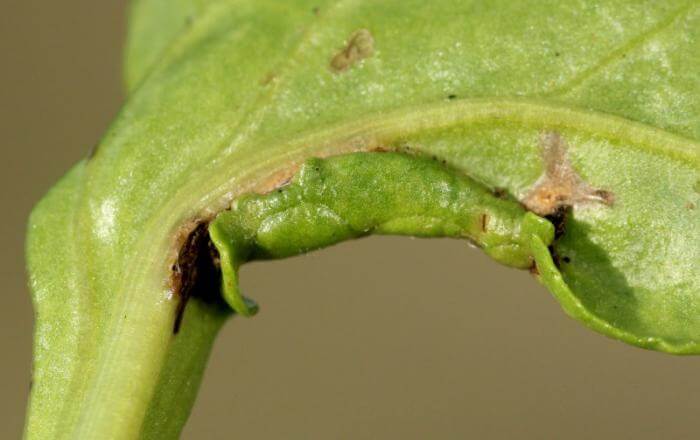
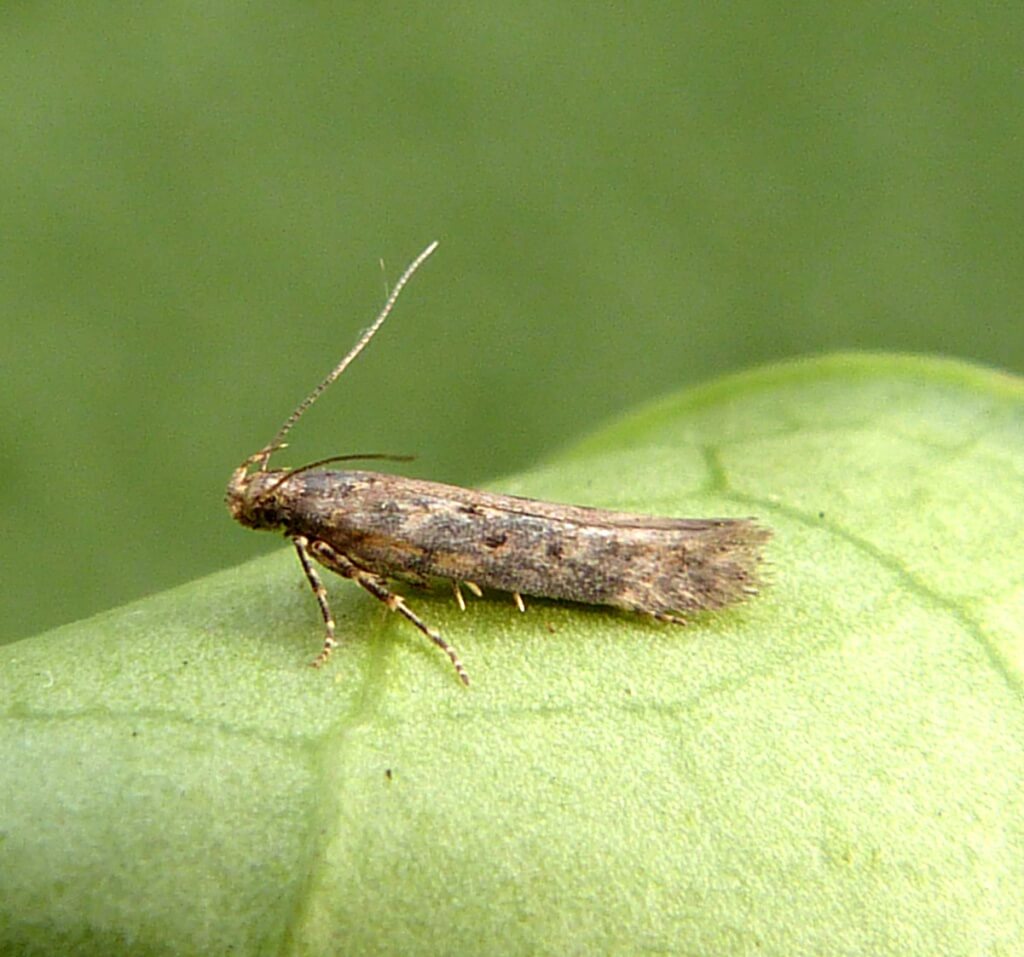
Scrobipalpa ocellatella, known as the beet moth, is a pest insect that mainly affects sugar beets. Adults are small brown moths with ocellated Taches on their wings. Females lay their eggs on the surface of beet leaves. The larvae emerge and quickly burrow into the tissue of leaves, stems and roots, where they feed and cause significant damage. The larvae go through several molts before pupating in soil or plant debris. The cycle repeats several times a year, especially in hot climates, allowing for multiple generations and thus increasing the potential for crop damage.
SYMPTOMS
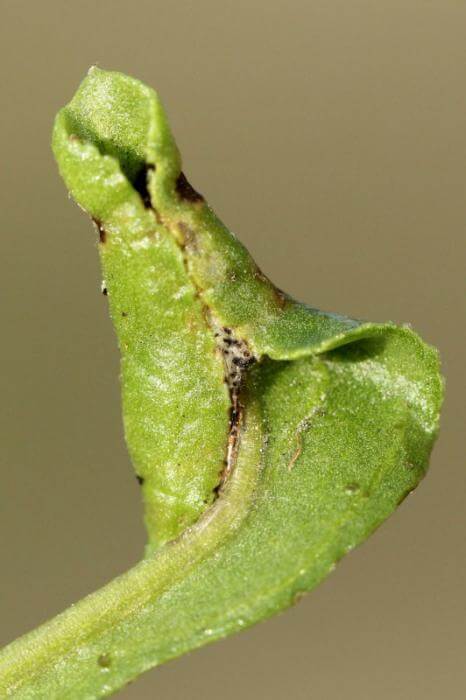
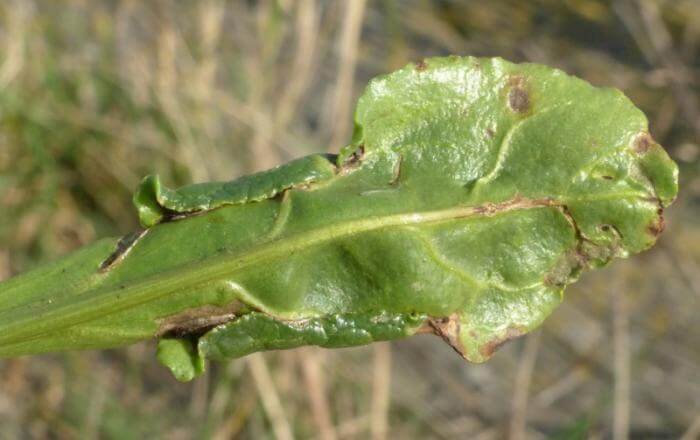
The beet moth, Scrobipalpa ocellatella, causes severe damage to sugar beets, primarily through larvae feeding on leaves and roots. This activity interferes with photosynthesis and normal plant growth, reducing their yield and quality.
- Presence of galleries and mines in the leaves.
- Leaves with brown and necrotic Taches.
- Pierced and weakened stems.
- Loss of turgor in affected plants.
- Reduction in the size and quality of the roots.
- Increased susceptibility to other diseases.


TEMPERATURE AND HUMIDITY
20°C - 30°C
40% - 70%

HOW IS IT SPREAD?
Wind, contaminated agricultural tools, infected transplants, direct contact with infested plants

HOW TO REMOVE IT?
Home remedies
There are no home treatments
Chemical treatments
• Azadirachtin 2.6% (AS AZADIRACTIN A) [EC] P/V
Authorized treatments in organic farming
• Azadirachtin 2.6% (AS AZADIRACTIN A) [EC] P/V
Insect allies
PREDATORY MITES
LADYBUGS
LACEWINGS
PARASITIC WASPS
HOVERFLIES OR PARASITIC FLIES
PREDATORY BUGS
There are no natural allies
Mycodiplosis oidii (predatory mosquito)
EFFECTIVE PRODUCTS TO ELIMINATE THIS DISEASE
Sponsored link
Sponsored link


Sponsored link
Sponsored link
Sponsored link


Sponsored link
Sponsored link
Effective against all types of fungi

Sponsored link


Sponsored link
Sponsored link

Sponsored link


Sponsored link
- Carry out frequent monitoring of the crop to detect early signs of infestation.
- Use pheromone traps to capture and monitor moth adults.
- Implement crop rotation practices to interrupt the insect cycle.
- Apply specific insecticidal treatments preventively and as necessary based on economic damage thresholds.
- Promote the presence of natural enemies such as parasitoids and predators to control Scrobipalpa ocellatella populations.
- Keep the field clean and free of crop remains and weeds that could serve as shelter for larvae and pupae.
- Use moth-resistant beet varieties.
- Adjust planting density and irrigation to reduce plant stress and increase their resistance to infestation.
Recommendations

Enjoy idMicrobe TOTALLY FREE, with no trial periods.


