

Pulgones
Aphid
Aphis Spiraecola, Aphis Gossypii, Aphis Pomi, Dysaphis Plantaginea, Dysaphis Pyri
Pathogen:
Insect
Type:
Risk to the plant:
HIGH

DESCRIPTION
WHO CAUSES IT?
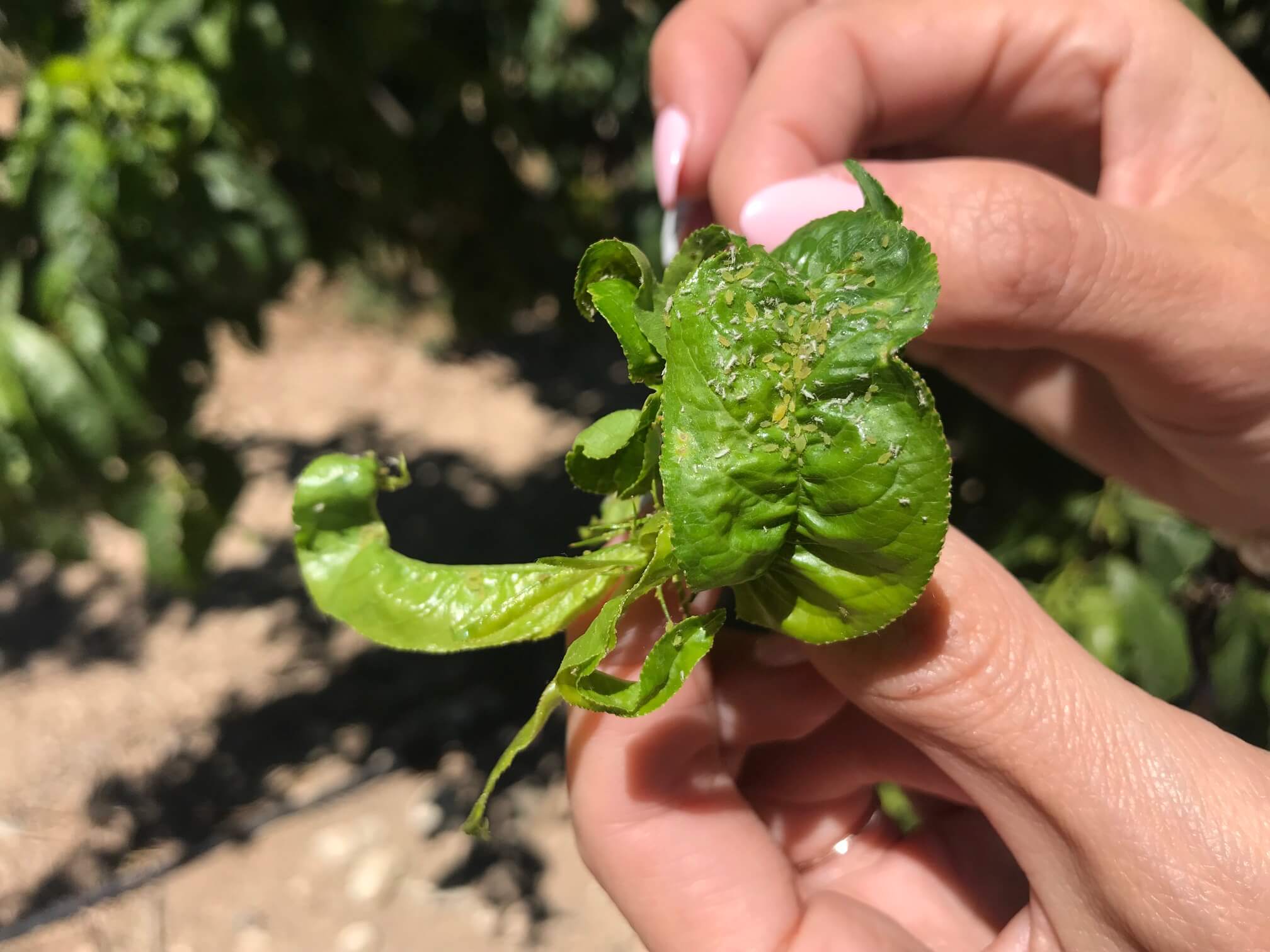
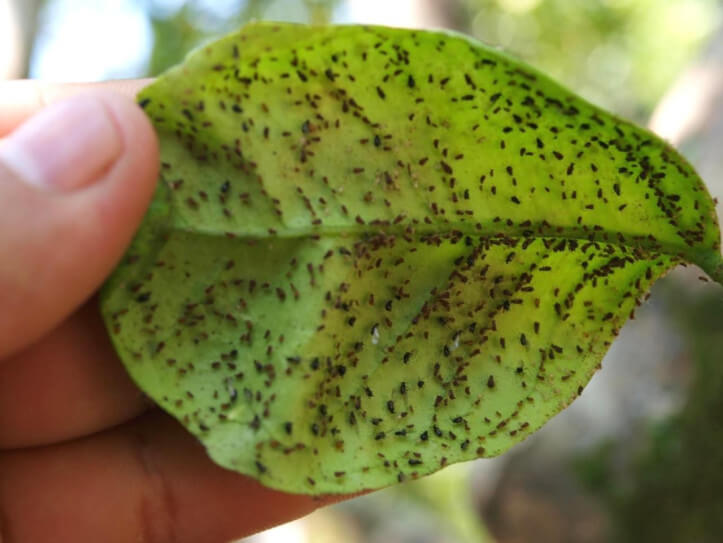
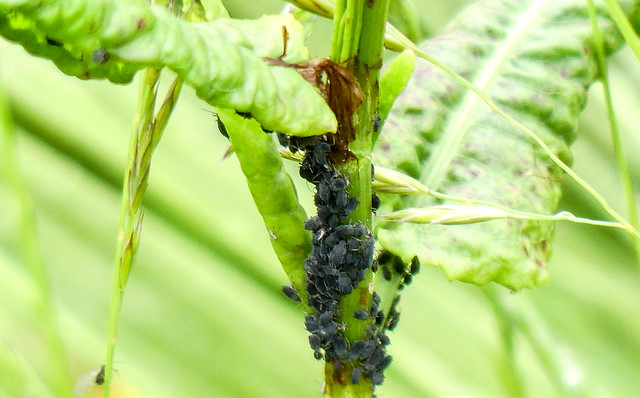
Aphis spiraecola, Aphis gossypii, Aphis pomi, Dysaphis plantaginea and Dysaphis pyri are species of aphids that affect pear trees. These small, soft-bodied insects have a high reproductive capacity, especially under favorable conditions. Its cycle begins with eggs laid on the woody parts of the plant during the fall. With the arrival of spring, the eggs hatch, giving rise to nymphs that feed on the plant sap. Nymphs go through several molts before becoming adults. Adults can be winged or wingless, allowing the colonization of new plants. During the summer, reproduction is predominantly asexual, with females producing clones of themselves without the need for males. In the fall, sexual males and females are produced that mate and lay cold-hardy eggs, completing the cycle.
SYMPTOMS
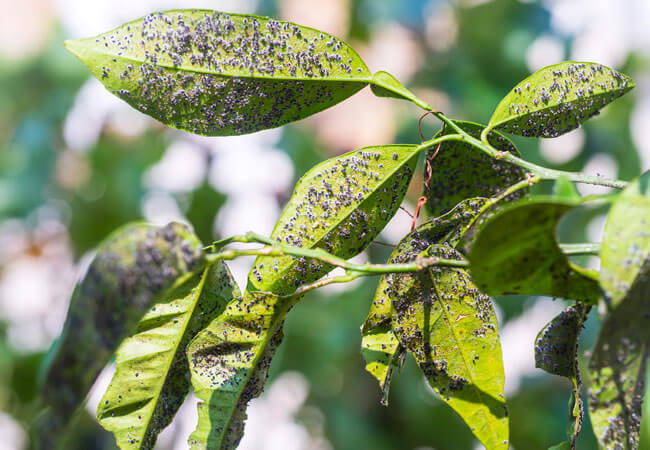
The infestation of aphids in the pear tree causes a disease that is characterized by the weakening of the plant and the deformation of its affected parts. Aphids feed on the sap, which causes physiological stress and a decrease in the plant's photosynthetic capacity. Furthermore, the excretion of honeydew by aphids favors the development of sooty mold, a fungus that covers the leaves and fruits with a black layer. This coverage not only affects the aesthetics of the fruit, but also interferes with photosynthesis. High aphid density can lead to a rapid decline in pear tree health, affecting both the quality and quantity of the crop.
- Deformation and curling of leaves.
- Yellowing and premature leaf fall.
- Presence of honeydew in leaves and fruits.
- Development of sooty mold on honeydew.
- Reduction in the growth of shoots and fruits.
- Loss of general vigor of the plant.


TEMPERATURE AND HUMIDITY
15°C - 25°C
60% - 80%

HOW IS IT SPREAD?
Wind, Contact with contaminated tools, Infected plant material, Mobility of winged insects, Ants

HOW TO REMOVE IT?
Home remedies
There are no home treatments
Chemical treatments
• RAPE OIL 1.53% [AL] P/V
• PARAFFIN OIL (CAS [64742-46-7]) 79% [EC] P/V
• PARAFFIN OIL (CAS [64742-46-7]) 80% [EC] P/V
• PARAFFIN OIL (CAS [8042-47-5]) 54.6% [EW] P/V
• PARAFFIN OIL (CAS [8042-47-5]) 79% [EC] P/V
• PARAFFIN OIL (CAS [8042-47-5]) 83% [EC] P/V
• PARAFFIN OIL (CAS [97862-82-3]) 80% [EC] P/V
• PARAFFIN OIL 83% [EC] P/V
• ACETAMIPRID 20% [SG] P/P
• ACETAMIPRID 20% [SL] P/V
• ACETAMIPRID 20% [SP] P/P
• AZADIRACTIN 1% (AS AZADIRACTIN A) [EC] P/V
• CAOLIN 99% [WP] P/P
• CYPERMETHRIN 10% [EC] P/V
• DELTAMETHRIN 1.57% [SC] P/V
• DELTAMETHRIN 10% [EC] P/V
• DELTAMETHRIN 2.5% [EC] P/V
• DELTAMETHRIN 2.5% [EW] P/V
• ESFENVALERATE 2.5% [EC] P/V
• ESFENVALERATE 5% [EC] P/V
• ESFENVALERATO 5% [EW] P/V
• FLONICAMID 50% [WG] P/P
• FLUPYRADIFURONE 20% [SL] P/V
• LAMBDA CYHALOTHRIN 1.5% [CS] P/V
• LAMBDA CYHALOTHRIN 10% [CS] P/V
• LAMBDA CYHALOTHRIN 2.5% [WG] P/P
• LAMBDA CYHALOTHRIN 5% [EG] P/P
• MALTODEXTRIN 47.6% [SL] P/V
• Pyrethrins 12.9 g/l [EC] P/V
• PYRETHRINS 4.65% (as pyrethrum extract) [EC] P/V
• PIRIMICARB 50% [WG] P/P
• POTASSIUM SALTS OF FATTY ACIDS C14-C20 48% [EW] P/V
• SPIROTETRAMAT 10% [SC] P/V
• TAU-FLUVALINATE 24% [EW] P/V
• ADHESIVE TRAP
• CHROMATIC TRAP
Authorized treatments in organic farming
• RAPE OIL 1.53% [AL] P/V
• PARAFFIN OIL (CAS [64742-46-7]) 79% [EC] P/V
• PARAFFIN OIL (CAS [64742-46-7]) 80% [EC] P/V
• PARAFFIN OIL (CAS [8042-47-5]) 54.6% [EW] P/V
• PARAFFIN OIL (CAS [8042-47-5]) 79% [EC] P/V
• PARAFFIN OIL (CAS [8042-47-5]) 83% [EC] P/V
• PARAFFIN OIL (CAS [97862-82-3]) 80% [EC] P/V
• PARAFFIN OIL 83% [EC] P/V
• AZADIRACTIN 1% (AS AZADIRACTIN A) [EC] P/V
• CAOLIN 99% [WP] P/P
• LAMBDA CYHALOTHRIN 1.5% [CS] P/V
• LAMBDA CYHALOTHRIN 10% [CS] P/V
• LAMBDA CYHALOTHRIN 2.5% [WG] P/P
• LAMBDA CYHALOTHRIN 5% [EG] P/P
• MALTODEXTRIN 47.6% [SL] P/V
• Pyrethrins 12.9 g/l [EC] P/V
• PYRETHRINS 4.65% (as pyrethrum extract) [EC] P/V
• POTASSIUM SALTS OF FATTY ACIDS C14-C20 48% [EW] P/V
• ADHESIVE TRAP
• CHROMATIC TRAP
Insect allies
PREDATORY MITES
LADYBUGS
LACEWINGS
PARASITIC WASPS
HOVERFLIES OR PARASITIC FLIES
PREDATORY BUGS
There are no natural allies
Mycodiplosis oidii (predatory mosquito)
EFFECTIVE PRODUCTS TO ELIMINATE THIS DISEASE
Sponsored link

Sponsored link


Sponsored link
Sponsored link
Sponsored link


Sponsored link
Sponsored link
Effective against all types of fungi

Sponsored link


Sponsored link
Sponsored link

Sponsored link


Sponsored link
- Regularly monitor the garden to detect the presence of aphids early.
- Use sticky traps to capture and monitor populations of winged aphids.
- Implement integrated pest management (IPM) that includes the use of natural enemies such as ladybugs and lacewings.
- Apply specific insecticides in a controlled manner and at appropriate times in the aphid's life cycle.
- Avoid excessive use of insecticides so as not to eliminate the natural enemies of aphids.
- Maintain good general health of the garden through appropriate cultural practices such as pruning and controlled irrigation.
- Plant pear varieties less susceptible to aphids.
- Carry out pruning to eliminate infested parts and improve air circulation.
- Promote biodiversity in the garden by planting hedges and flowers that attract beneficial insects.
Recommendations

Enjoy idMicrobe TOTALLY FREE, with no trial periods.


