

Saltamontes
Grasshopper
Grasshopper
Pathogen:
Insect
Type:
Risk to the plant:
CRITICAL

DESCRIPTION
WHO CAUSES IT?
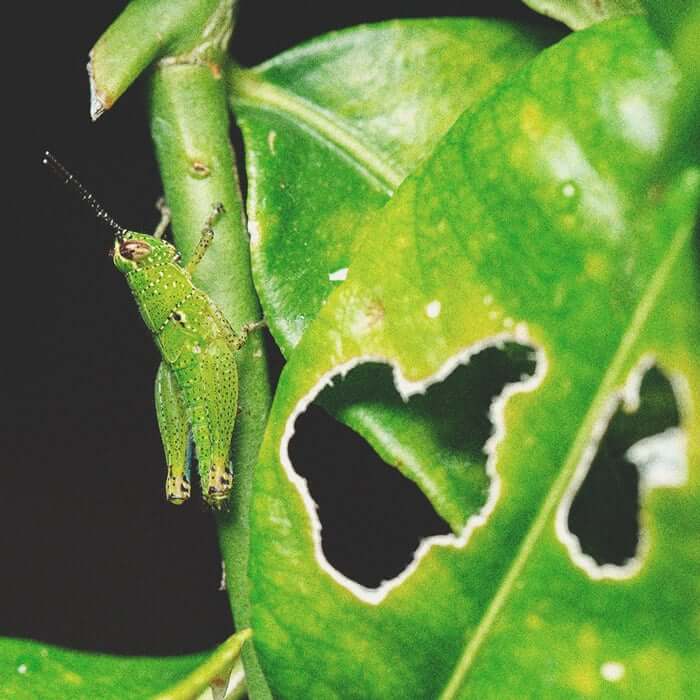
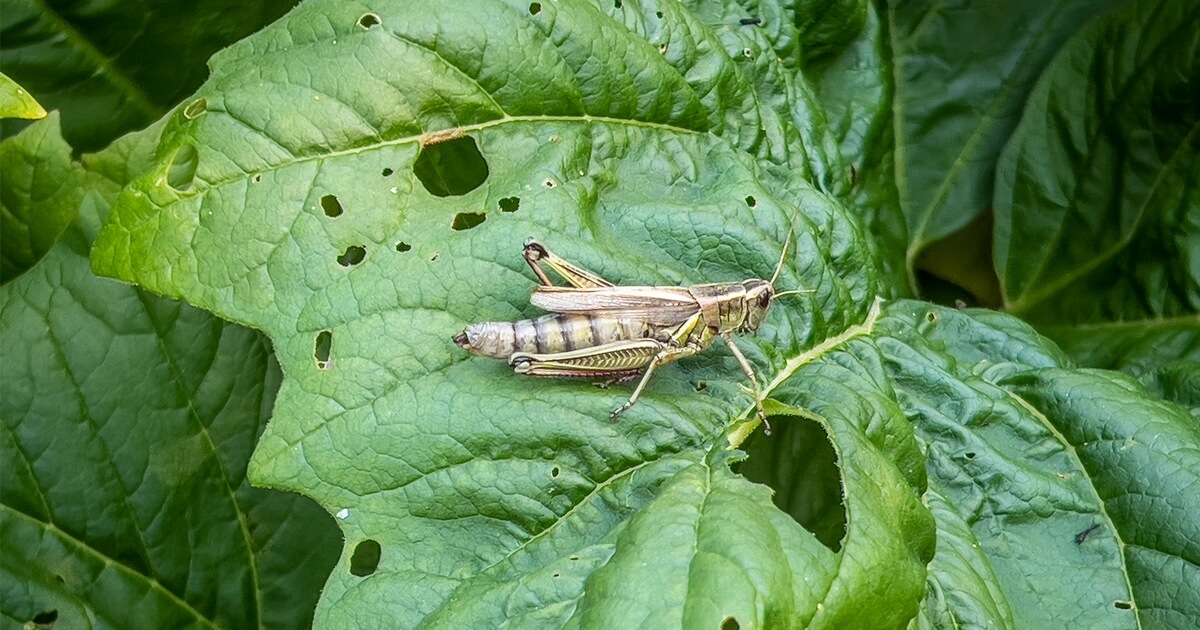
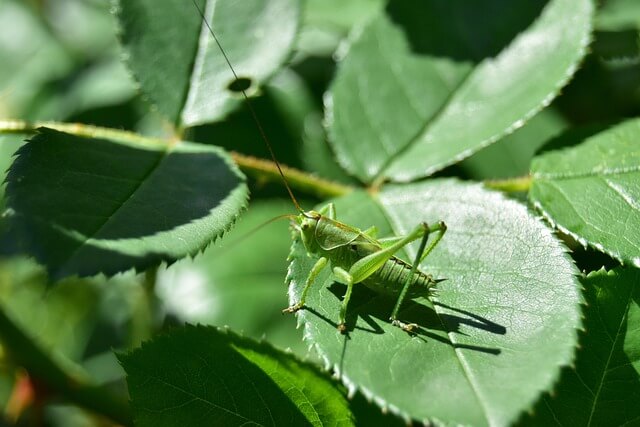
Grasshoppers are insects of the order Orthoptera and are characterized by their jumping ability, thanks to their long and muscular hind legs. Their robust body and chewing mouthparts allow them to feed on a wide variety of vegetation. Females lay their eggs on the ground, generally in sunny areas with loose soil. These eggs remain dormant during the winter and hatch with rising temperatures in spring. The nymphs emerge and go through several molts until they reach the adult phase, a process that can last weeks or months, depending on the species and environmental conditions. During the juvenile stages, they do not have wings and move around by walking or jumping, actively feeding. Once they reach adulthood, they can move long distances and form swarms when ecological conditions are favorable. These massive migrations drastically increase their destructive capacity on crops and green areas. Some species, such as lobsters, can change their behavior from solitary to gregarious, multiplying their invasive and harmful potential.
SYMPTOMS
In Plants, grasshoppers cause physical disease by direct destruction of plant tissue. Its chewing action drastically reduces leaf biomass, decreases photosynthetic capacity, and weakens the plant against other threats. In high density situations, they can devour leaves, flowers, tender stems and even fruits, affecting the production and commercial value of the crop. Intense feeding pressure can also lead to complete defoliation and death of young plants.
- Irregular perforations in leaves and stems
- Chewed edges and partial loss of foliage
- Premature fall of flowers and fruits due to mechanical damage
- Visible presence of adults and nymphs in the aerial parts
- Weakened plants, with stopped or stunted growth
- Severe defoliation in tender shoots or seedlings
- Scars and bites on fruits


TEMPERATURE AND HUMIDITY
25 °C – 35 °C
30 % – 60 %

HOW IS IT SPREAD?
Natural migration, Movement of winged adults, Transport of agricultural machinery, Transport of forage or plant material, Wind, Infested neighboring land

HOW TO REMOVE IT?
Home remedies
There are no home treatments
Chemical treatments
• DELTAMETHRIN 2.5% [EW] P/V
• DELTAMETHRIN 1.57% [SC] P/V
Authorized treatments in organic farming
-
Insect allies
PREDATORY MITES
LADYBUGS
LACEWINGS
PARASITIC WASPS
HOVERFLIES OR PARASITIC FLIES
PREDATORY BUGS
There are no natural allies
Mycodiplosis oidii (predatory mosquito)
EFFECTIVE PRODUCTS TO ELIMINATE THIS DISEASE
Sponsored link
Sponsored link


Sponsored link
Sponsored link
Sponsored link


Sponsored link
Sponsored link
Effective against all types of fungi

Sponsored link


Sponsored link
Sponsored link

Sponsored link


Sponsored link
- Keep the land clean of weeds, since many species of grasshoppers develop in these areas before migrating to crops.
- Carry out visual monitoring and bait traps on the edges of the crop to detect their presence early.
- Till the soil in autumn or winter to expose and destroy the laid eggs.
- Implement bands of trap vegetation around the crop to attract grasshoppers and facilitate their localized elimination.
- Apply biopesticides based on entomopathogenic fungi or plant extracts in areas of high activity.
- Use physical barriers such as meshes or fences in small crops or vulnerable orchards.
- Avoid the indiscriminate use of insecticides that can eliminate natural enemies such as birds, reptiles and other predatory insects.
- In critical situations, apply authorized chemical treatments locally and rotating active ingredients to minimize the appearance of resistance.
- Coordinate collective actions between farmers in risk areas to reduce the regional population.
- Avoid excessive irrigation that favors the development of tender vegetation, preferred by grasshoppers.
Recommendations

Enjoy idMicrobe TOTALLY FREE, with no trial periods.


