

Septoriosis
Septoria
Septoria Piricola
Pathogen:
Fungus
Type:
Risk to the plant:
INTERMEDIATE

DESCRIPTION
WHO CAUSES IT?
Septoria piricola is a pathogenic fungus that mainly affects pear trees. This fungus survives on remains of fallen leaves and infected shoots, where it produces resistance structures called pycnidia. During spring, under favorable humidity and temperature conditions, these pycnidia release spores that are dispersed mainly by wind and rain. When spores land on young leaves and fruits, they germinate and infect the tissue. The fungus develops within the leaf tissue, forming new sporulating structures that perpetuate the infection throughout the growing season. In autumn, infected leaves fall to the ground, restarting the cycle with the production of resistant pycnidia.
SYMPTOMS
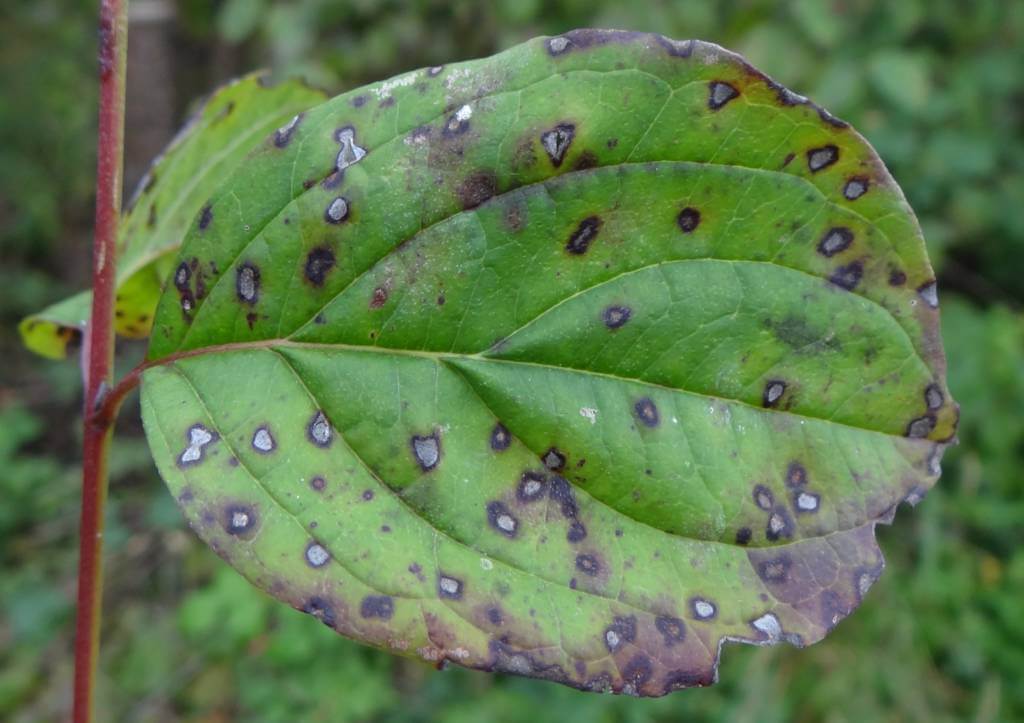
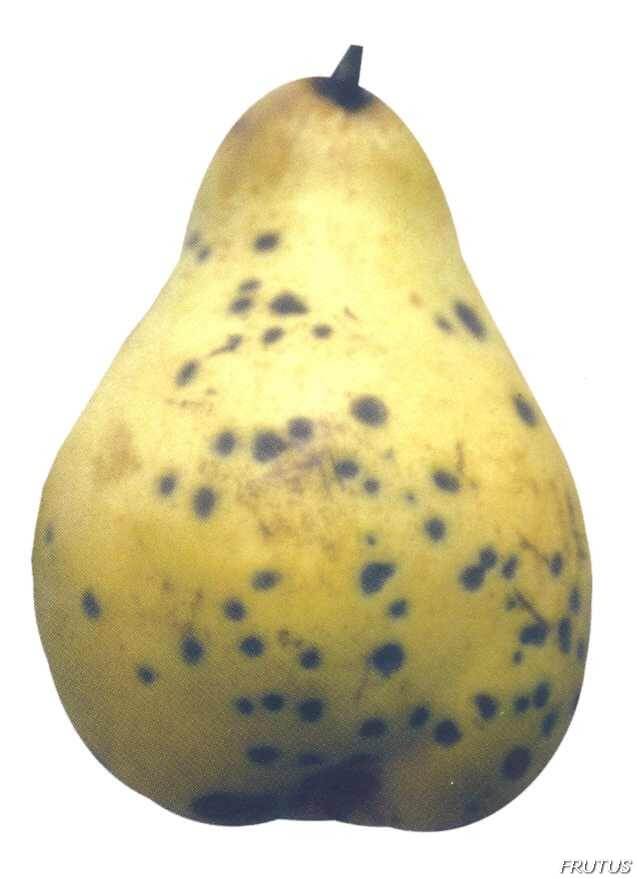
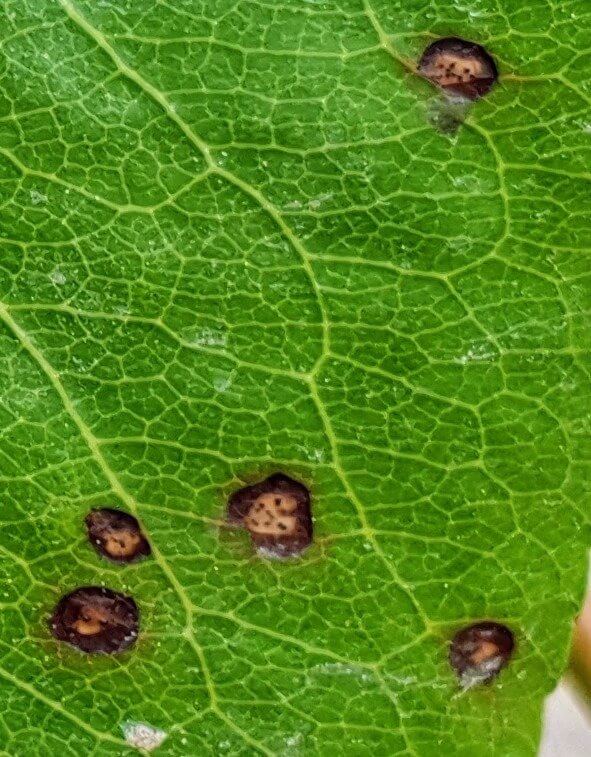
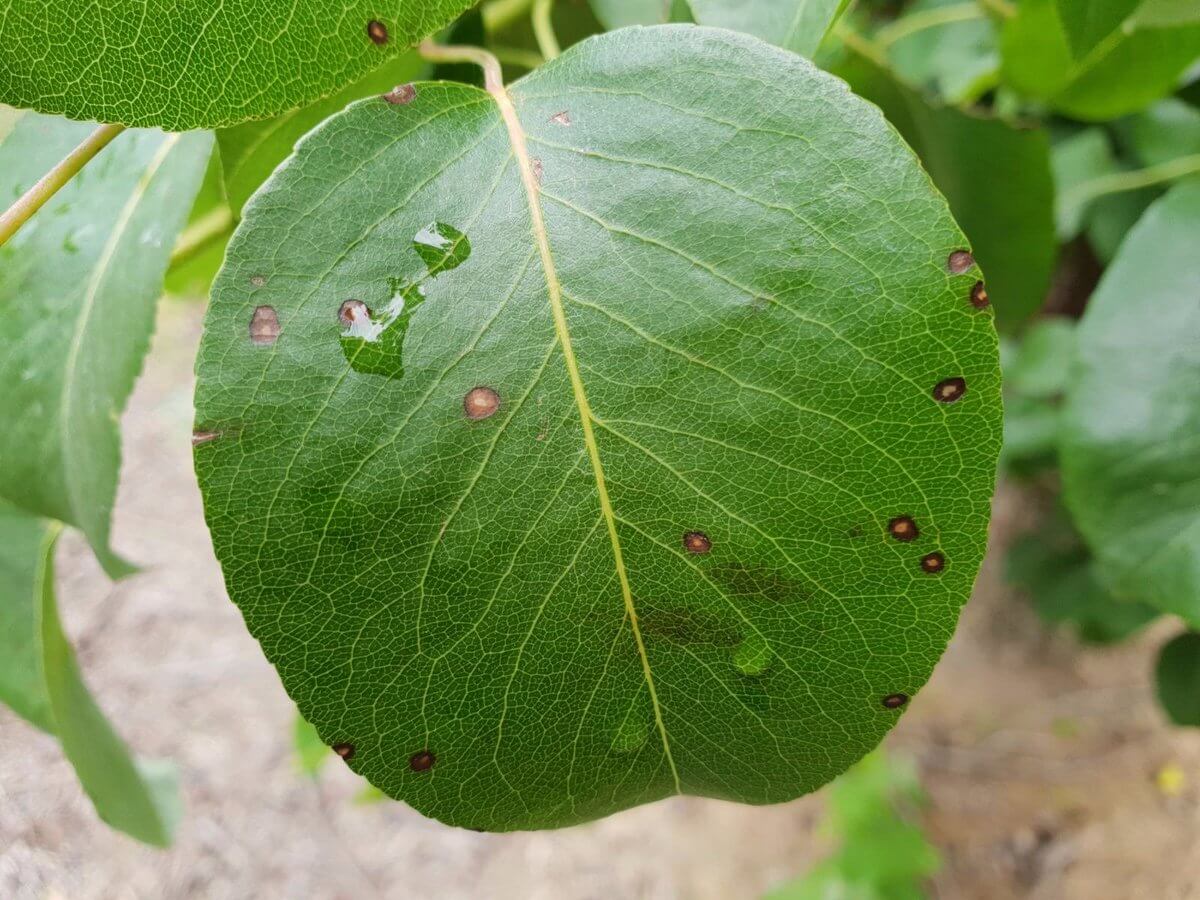
In the pear tree, the disease caused by Septoria piricola manifests itself with symptoms that affect both the leaves and the fruits, compromising the health and productivity of the tree. The infection begins with small Taches on the leaves that expand and fuse, causing premature defoliation and reduced photosynthesis, which weakens the tree and reduces the quality of the fruits.
- Circular dark brown Taches on the leaves.
- Presence of a yellow border around the Taches.
- Premature fall of severely affected leaves.
- Similar Taches on the fruits, often with a necrotic center.
- Deformed and discolored fruits.
- Decrease in the size and quality of the fruits.


TEMPERATURE AND HUMIDITY
15°C - 25°C
70% - 90%

HOW IS IT SPREAD?
Wind, Rain, Infected plant material, Contaminated pruning tools, Direct contact between plants

HOW TO REMOVE IT?
Home remedies
There are no home treatments
Chemical treatments
• DIFENOCONAZOLE 25% [EC] P/V
• CUPRIC HYDROXIDE 25% (EXPR. IN CU) [WG] P/P
• CUPRIC HYDROXIDE 40% (EXPR. IN CU) [WG] P/P
• COPPER OXYCHLORIDE 35% (EXPR. IN CU) [WG] P/P
• COPPER OXYCHLORIDE 38% (EXPR. IN CU) [SC] P/V
• COPPER OXYCHLORIDE 50% (EXPR. IN CU) [WP] P/P
• CUPROUS OXIDE 50% (EXPR. IN CU) [WP] P/P
• CUPROCALCIC SULFATE 20% (EXPR. IN CU) [WG] P/P
• CUPROCALCIC SULFATE 20% (EXPR. IN CU) [WP] P/P
• CUPROCALCIC SULFATE 20% (EXPR. IN CU) [WG] P/P
• CUPROCALCIC SULFATE 20% [WP] P/P
• TEBUCONAZOLE 25% [EW] P/V
Authorized treatments in organic farming
• CUPRIC HYDROXIDE 25% (EXPR. IN CU) [WG] P/P
• CUPRIC HYDROXIDE 40% (EXPR. IN CU) [WG] P/P
• COPPER OXYCHLORIDE 35% (EXPR. IN CU) [WG] P/P
• COPPER OXYCHLORIDE 38% (EXPR. IN CU) [SC] P/V
• COPPER OXYCHLORIDE 50% (EXPR. IN CU) [WP] P/P
• CUPROUS OXIDE 50% (EXPR. IN CU) [WP] P/P
• CUPROCALCIC SULFATE 20% (EXPR. IN CU) [WG] P/P
• CUPROCALCIC SULFATE 20% (EXPR. IN CU) [WP] P/P
• CUPROCALCIC SULFATE 20% (EXPR. IN CU) [WG] P/P
• CUPROCALCIC SULFATE 20% [WP] P/P
Insect allies
PREDATORY MITES
LADYBUGS
LACEWINGS
PARASITIC WASPS
HOVERFLIES OR PARASITIC FLIES
PREDATORY BUGS
There are no natural allies
Mycodiplosis oidii (predatory mosquito)
EFFECTIVE PRODUCTS TO ELIMINATE THIS DISEASE
Sponsored link
Sponsored link


Sponsored link
Sponsored link
Sponsored link


Sponsored link
Sponsored link
Effective against all types of fungi

Sponsored link


Sponsored link
Sponsored link

Sponsored link


Sponsored link
- Carry out adequate pruning to improve air circulation and reduce humidity in the foliage.
- Remove and destroy fallen leaves and infected plant debris to reduce sources of inoculum.
- Apply preventive fungicides during spring and in periods of high humidity.
- Regularly monitor trees to detect the first signs of infection and act quickly.
- Avoid overhead irrigation, especially in the afternoon, to minimize moisture on the foliage.
- Use pear varieties resistant to septoria, if available.
- Implement a fungicide rotation program to prevent the development of resistance.
- Maintain adequate fertilization to ensure the good health of the tree and its resistance capacity.
- Promote the use of natural biocontrollers that can reduce the incidence of Septoria piricola.
Recommendations

Enjoy idMicrobe TOTALLY FREE, with no trial periods.


