

Micosis/Hongos
Rubbery Stem
Phoma Cucurbitacearum
Pathogen:
Fungus
Type:
Risk to the plant:
HIGH

DESCRIPTION
WHO CAUSES IT?
Phoma cucurbitacearum is a pathogenic fungus that affects various plants of the Cucurbitaceae family, including pumpkin. This organism reproduces through spores, which can be transported by wind, water or contaminated soil. The life cycle of the fungus begins with the germination of spores under favorable conditions of humidity and temperature. These spores produce infection structures that penetrate host plant tissues, usually through wounds or natural openings. Once inside, the fungus grows and develops in the internal tissues, forming mycelium that spreads throughout the plant. As the fungus matures, it produces sporangia that release new spores into the environment, thus restarting the infection cycle.
SYMPTOMS
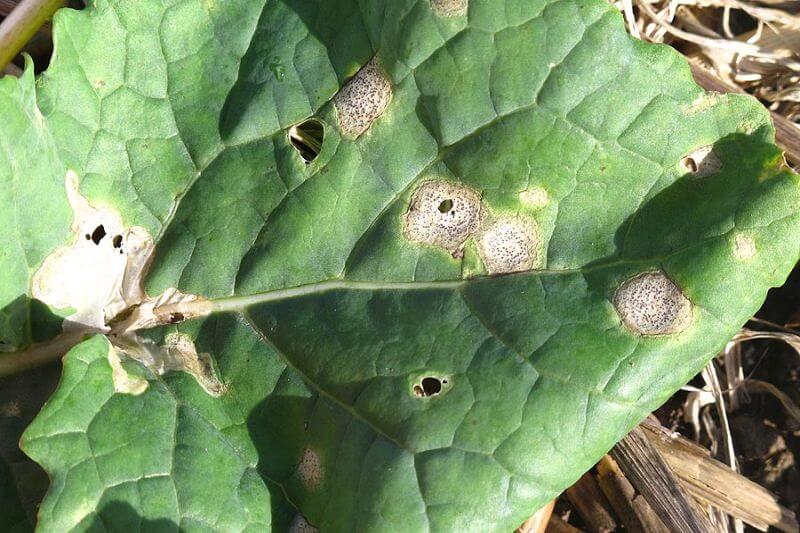
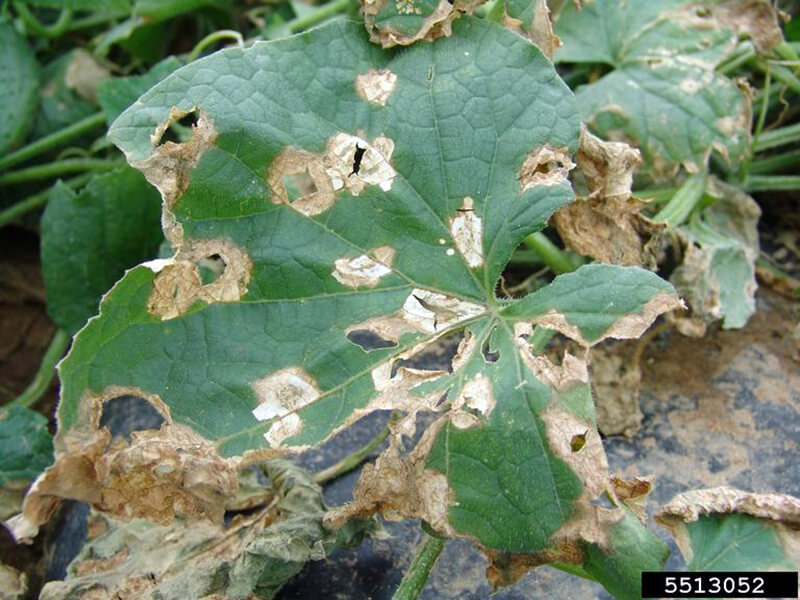
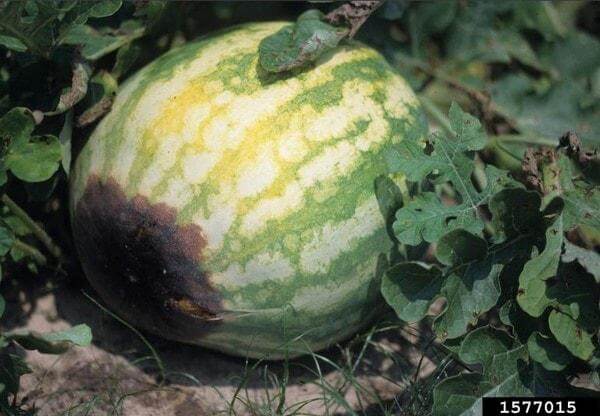
The disease caused by Phoma cucurbitacearum in pumpkin is known as "gummy stem", a pathology that can cause serious damage to the plant. Symptoms include the appearance of dark, moist lesions on the stem, which eventually become rubbery and produce dark exudates. These lesions can spread quickly, affecting the flow of nutrients and water within the plant.
- Yellowing and wilting leaves
- Premature fruit drop
- Reduction in plant growth and vigor
- Necrosis of infected tissue
- Black Taches on the stem


TEMPERATURE AND HUMIDITY
20°C - 25°C
70% - 90%

HOW IS IT SPREAD?
Wind, Water, Contaminated soil, Infected tools, Contaminated seeds, Infected plant remains, Host weeds

HOW TO REMOVE IT?
Home remedies
There are no home treatments
Chemical treatments
• COPPER OXYCHLORIDE 35% (exp. in Cu) [WG] P/P
• COPPER OXYCHLORIDE 38% (EXPR. IN CU) [SC] P/V
• COPPER OXYCHLORIDE 50% (EXPR. IN CU) [WP] P/P
Authorized treatments in organic farming
• COPPER OXYCHLORIDE 35% (exp. in Cu) [WG] P/P
• COPPER OXYCHLORIDE 38% (EXPR. IN CU) [SC] P/V
• COPPER OXYCHLORIDE 50% (EXPR. IN CU) [WP] P/P
Insect allies
PREDATORY MITES
LADYBUGS
LACEWINGS
PARASITIC WASPS
HOVERFLIES OR PARASITIC FLIES
PREDATORY BUGS
There are no natural allies
Mycodiplosis oidii (predatory mosquito)
EFFECTIVE PRODUCTS TO ELIMINATE THIS DISEASE
Sponsored link
Sponsored link
Sponsored link


Sponsored link
Sponsored link
Sponsored link
Sponsored link


Sponsored link
Sponsored link
Effective against all types of fungi

Sponsored link
Sponsored link


Sponsored link
Sponsored link

Sponsored link
Sponsored link


Sponsored link
- Use certified pathogen-free seeds to prevent the introduction of the fungus into crops.
- Implement an adequate crop rotation, avoiding planting cucurbits in the same area for several consecutive years.
- Improve soil drainage to reduce excessive humidity that favors the development of the fungus.
- Apply specific fungicides preventively and following technical recommendations to avoid the development of resistance.
- Carry out adequate cleaning and disinfection of agricultural tools and equipment to prevent the spread of the pathogen.
- Remove and destroy remains of infected crops to reduce sources of inoculum.
- Maintain adequate control of weeds that can serve as alternative hosts for the fungus.
- Regularly monitor crops to detect and manage any disease outbreak early.
Recommendations

Enjoy idMicrobe TOTALLY FREE, with no trial periods.


