

Trips
Thrips
Frankliniella Occidentalis
Pathogen:
Insect
Type:
Risk to the plant:
HIGH

DESCRIPTION
WHO CAUSES IT?
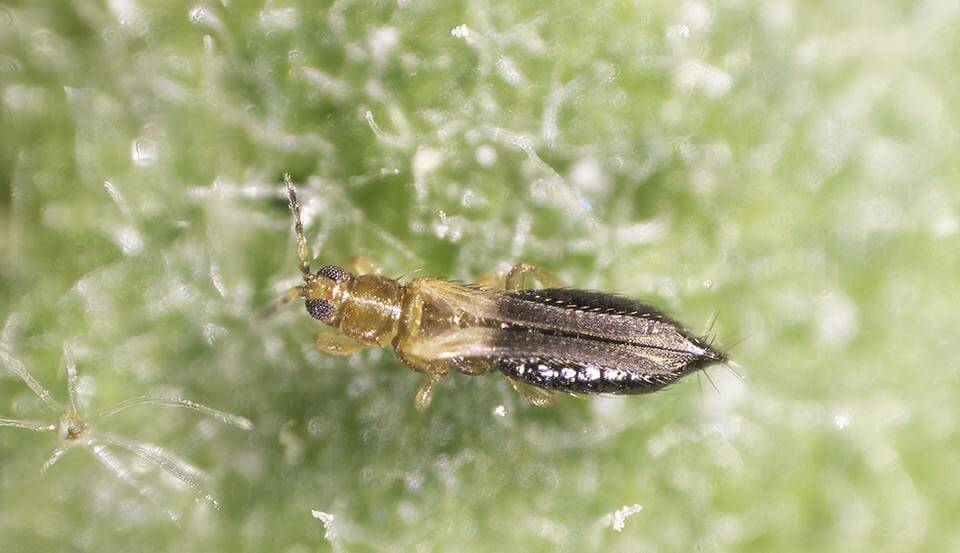
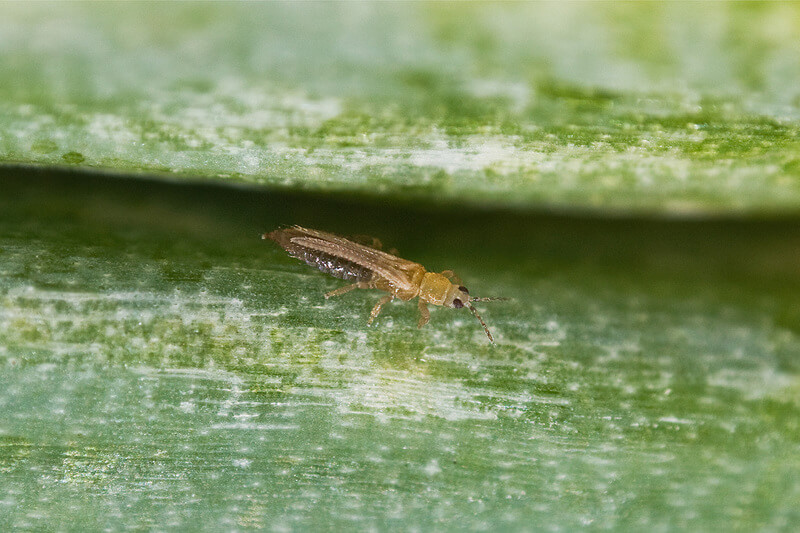
Frankliniella occidentalis, commonly known as the western flower thrips, is a small insect belonging to the family Thripidae. This pathogen is an insect with an elongated, narrow body, generally pale yellow to brown in color. Its life cycle includes egg, larva, pupa and adult stages. Females lay eggs in plant tissue. The larvae emerge and begin to feed on plant cells, causing direct damage. After passing through two larval stages, the larvae fall to the ground or take refuge in the plant to pupate. Finally, adults emerge and continue the cycle, reproducing rapidly under favorable conditions. This rapid life cycle and its ability to reproduce in various climatic conditions contribute to the difficulty of controlling it.
SYMPTOMS
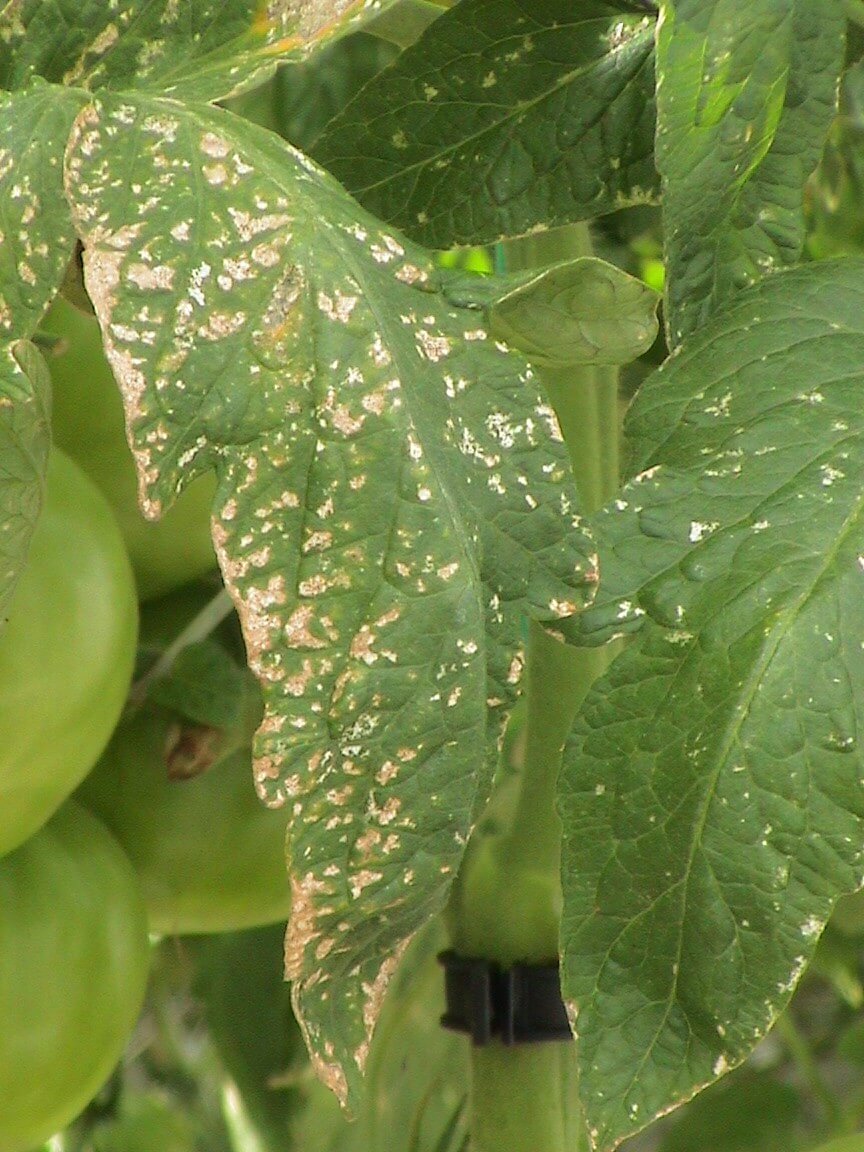
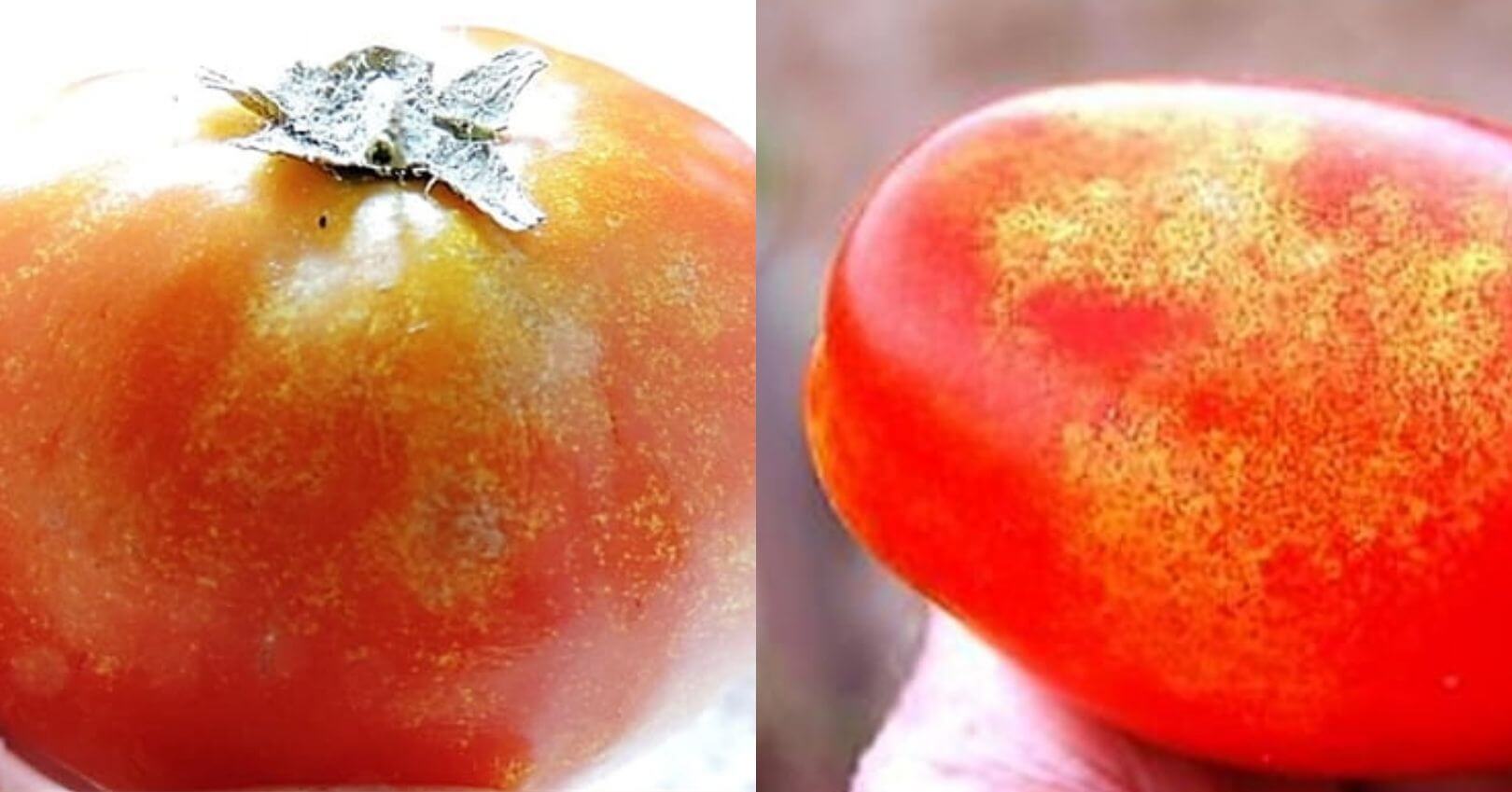
The disease caused by Frankliniella occidentalis in tomatoes manifests itself through several symptoms that affect both the quality and quantity of the harvested product. Damage is mainly mechanical due to feeding by larvae and adults, but also includes the transmission of plant viruses, such as Tomato wilt virus (TSWV). The feeding of these thrips causes the destruction of plant cells and the deformation of tissues.
- Presence of silver scars on leaves and fruits
- Deformation and necrosis of tender shoots
- Reduction of plant growth
- Black Taches (excrement) on the surface of the leaves
- Loss of general vigor of the plant
- Virus transmission that causes ring Taches and chlorosis
- Malformation and fruit drop


TEMPERATURE AND HUMIDITY
20-30°C
50-80%

HOW IS IT SPREAD?
Direct contact with infested plants, wind, soil movements, contaminated tools, transportation of infested fruits

HOW TO REMOVE IT?
Home remedies
There are no home treatments
Chemical treatments
• ABAMECTIN 0.0015% + PYRETHRINS 0.02% [AL] P/V
• RAPE OIL 1.53% [AL] P/V
• RAPE OIL 848.24 g/l [EC] P/V
• ORANGE OIL 6% [SL] P/V
• ORANGE OIL 60g/L [ME] P/S
• PARAFFIN OIL (CAS [64742-46-7]) 79% [EC] P/V
• PARAFFIN OIL (CAS [8042-47-5]) 54.6% [EW] P/V
• ACETAMIPRID 0.005% [AL] P/V
• AZADIRACTIN 1% (AS AZADIRACTIN A) [EC] P/V
• Azadirachtin 2.6% (AS AZADIRACTIN A) [EC] P/V
• CYPERMETHRIN 10% [EC] P/V
• CYPERMETHRIN 5% [EC] P/V
• CYANTRANILIPROL 10% + ACIBENZOLAR-S-METHYL 1.25% [SC] P/V
• CYANTRANILIPROL 20% [SC] P/V
• DELTAMETHRIN 1.5% [EW] P/V
• DELTAMETHRIN 1.57% [SC] P/V
• DELTAMETHRIN 10% [EC] P/V
• DELTAMETHRIN 2.5% [EC] P/V
• DELTAMETHRIN 2.5% [EW] P/V
• FORMETANATE 50% [SP] P/P
• FORMETHANATE 9% (HYDROCHLORIDE) [SP] P/P
• LAMBDA CYHALOTHRIN 0.0015% [ME] P/V
• LAMBDA CYHALOTHRIN 1.5% [CS] P/V
• LAMBDA CYHALOTHRIN 10% [CS] P/V
• LAMBDA CYHALOTHRIN 5% [EG] P/P
• TERPENOID MIXTURE QRD 460 15.23% [EC] P/V
• PYRETHRINS 0.12% [AE] P/P
• PYRETHRINS 1.9% [EC] P/V
• PYRETHRINS 4.65% (as pyrethrum extract) [EC] P/V
• PYRETHRINS 4% (PYRETHHRINE EXTR.) [EC] P/V
• PYRETHRINS 5% [SC] P/V
• POTASSIUM SALTS OF FATTY ACIDS C14-C20 48% [EW] P/V
• POTASSIUM SALTS OF VEGETABLE FATTY ACIDS 13.04% [SL] P/V
• SPINETORAM 2.5% [SC] P/V
• SPINOSAD 12% [SC] P/V
• SPINOSAD 2.4% [SC] P/V
• SPINOSAD 48% [SC] P/V
• SPIROTETRAMAT 10% [SC] P/V
• SPIROTETRAMAT 15% [OD] P/V
Authorized treatments in organic farming
• RAPE OIL 1.53% [AL] P/V
• RAPE OIL 848.24 g/l [EC] P/V
• ORANGE OIL 6% [SL] P/V
• ORANGE OIL 60g/L [ME] P/S
• PARAFFIN OIL (CAS [64742-46-7]) 79% [EC] P/V
• PARAFFIN OIL (CAS [8042-47-5]) 54.6% [EW] P/V
• AZADIRACTIN 1% (AS AZADIRACTIN A) [EC] P/V
• Azadirachtin 2.6% (AS AZADIRACTIN A) [EC] P/V
• LAMBDA CYHALOTHRIN 0.0015% [ME] P/V
• LAMBDA CYHALOTHRIN 1.5% [CS] P/V
• LAMBDA CYHALOTHRIN 10% [CS] P/V
• LAMBDA CYHALOTHRIN 5% [EG] P/P
• PYRETHRINS 0.12% [AE] P/P
• PYRETHRINS 1.9% [EC] P/V
• PYRETHRINS 4.65% (as pyrethrum extract) [EC] P/V
• PYRETHRINS 4% (PYRETHHRINE EXTR.) [EC] P/V
• PYRETHRINS 5% [SC] P/V
• POTASSIUM SALTS OF FATTY ACIDS C14-C20 48% [EW] P/V
• POTASSIUM SALTS OF VEGETABLE FATTY ACIDS 13.04% [SL] P/V
• SPINOSAD 12% [SC] P/V
• SPINOSAD 2.4% [SC] P/V
• SPINOSAD 48% [SC] P/V
Insect allies
PREDATORY MITES
LADYBUGS
LACEWINGS
PARASITIC WASPS
HOVERFLIES OR PARASITIC FLIES
PREDATORY BUGS
There are no natural allies
Mycodiplosis oidii (predatory mosquito)
EFFECTIVE PRODUCTS TO ELIMINATE THIS DISEASE
Sponsored link
Sponsored link


Sponsored link
Sponsored link
Sponsored link


Sponsored link
Sponsored link
Effective against all types of fungi

Sponsored link


Sponsored link
Sponsored link

Sponsored link


Sponsored link
- Implement regular monitoring using blue sticky traps to detect the presence of thrips.
- Use mesh covers in greenhouses to prevent the entry of thrips.
- Maintain good crop hygiene by eliminating remains of affected plants and fruits.
- Carry out crop rotations to reduce pest pressure.
- Introduce and conserve natural enemies such as predatory mites and parasitoid wasps.
- Apply treatments with specific insecticides in a preventive and rotating manner to avoid resistance.
- Use horticultural oils and insecticidal soaps as complementary control methods.
- Implement integrated pest management (IPM) practices to reduce dependence on chemicals.
Recommendations

Enjoy idMicrobe TOTALLY FREE, with no trial periods.


