

Virus
Big-vein disease (BVD): what it is, how it occurs, and how to effectively eliminate it.
Big-Vein Disease (Bvd) Virus
Virus Bvd
Pathogen:
Virus
Type:
Risk to the plant:
HIGH

DESCRIPTION
WHO CAUSES IT?
Big-vein disease (BVD) is a pathogen that affects various plants, being especially harmful to lettuce. This virus is transmitted mainly by the fungus Olpidium brassicae, which acts as a vector. In its life cycle, the fungus infects plant roots, releasing zoospores containing the BVD virus. These zoospores swim in soil water and penetrate the roots of susceptible plants. Once inside the plant, the virus replicates and moves through the vascular system, causing the characteristic symptoms of the disease. The spores of the fungus can survive in the soil for long periods, facilitating the persistence and spread of the virus in infested fields.
SYMPTOMS
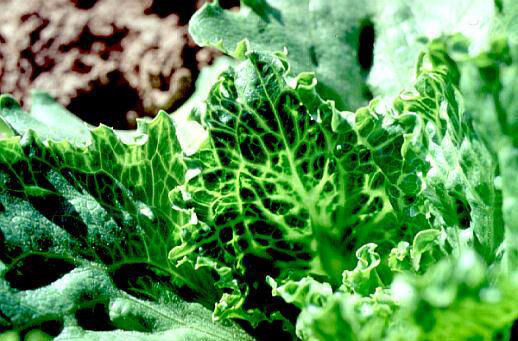
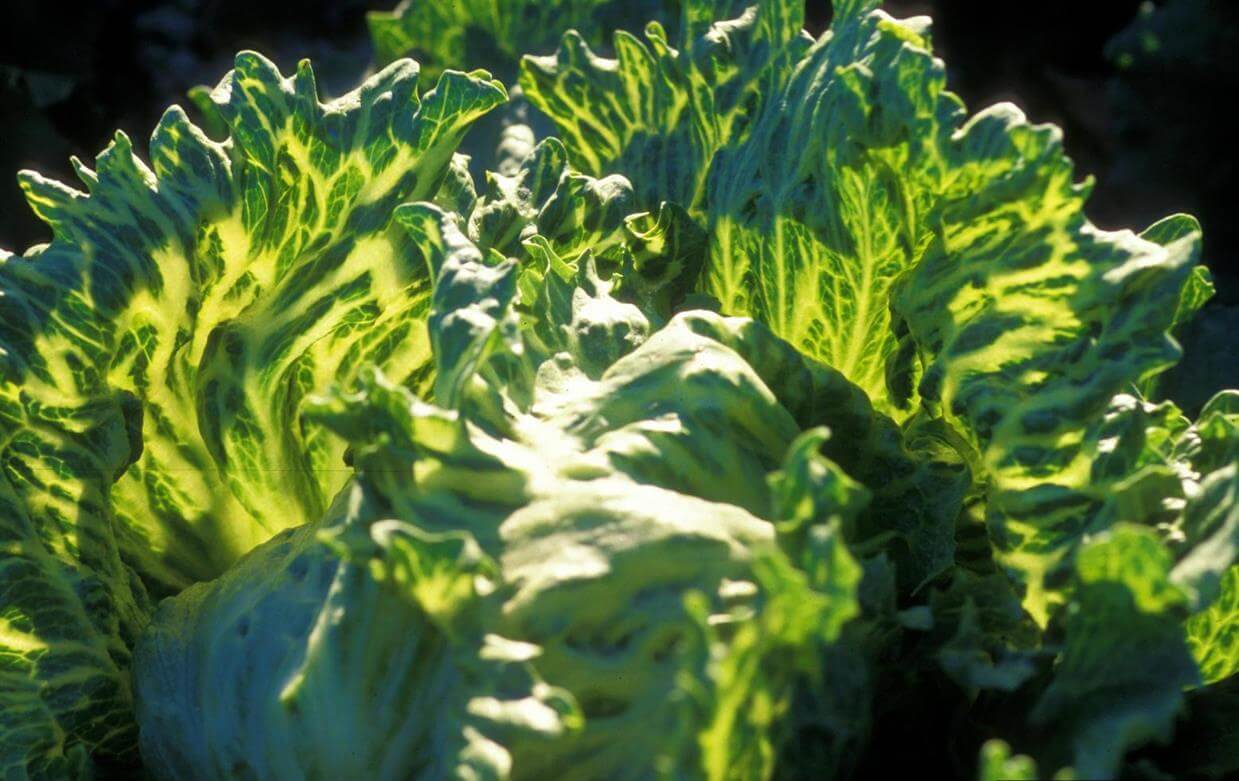
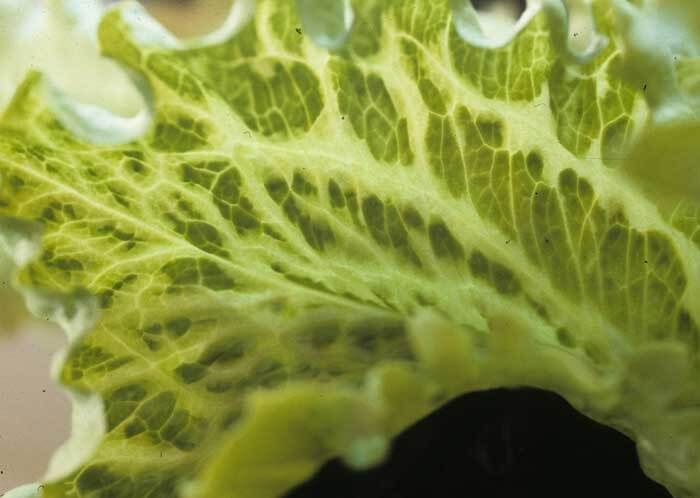
Lettuce affected by Vein Broadening Virus experiences a series of symptoms that affect its growth and development. The disease manifests itself mainly on the leaves, where the veins widen noticeably and become lighter in color compared to the rest of the leaf. This not only affects the appearance of the plant, but also reduces its commercial value and yield.
- Leaf veins visibly widened.
- Yellowing in the affected areas.
- Distortion and deformation of the leaves.
- Delay in plant growth.
- Reduction in the quality and size of foliage.
- General appearance sickly and less vigorous.


TEMPERATURE AND HUMIDITY
10°C - 20°C
70% - 90%

HOW IS IT SPREAD?
Direct contact with soil, Contaminated water, Agricultural tools, Infected roots, Insect vectors

HOW TO REMOVE IT?
Home remedies
There are no home treatments
Chemical treatments
There are no effective treatments against viruses, the treatments are focused on combating the insect or vector carrying the virus (SEE AVAILABLE TREATMENTS AGAINST INSECTS)
Authorized treatments in organic farming
There are no effective treatments against viruses, the treatments are focused on combating the insect or vector carrying the virus (SEE AVAILABLE TREATMENTS AGAINST INSECTS)
Insect allies
PREDATORY MITES
LADYBUGS
LACEWINGS
PARASITIC WASPS
HOVERFLIES OR PARASITIC FLIES
PREDATORY BUGS
There are no natural allies
Mycodiplosis oidii (predatory mosquito)
EFFECTIVE PRODUCTS TO ELIMINATE THIS DISEASE
Sponsored link
Sponsored link


Sponsored link
Sponsored link
Sponsored link


Sponsored link
Sponsored link
Effective against all types of fungi

Sponsored link


Sponsored link
Sponsored link

Sponsored link


Sponsored link
- Use certified virus-free and high-quality seeds.
- Implement crop rotation to minimize the accumulation of fungal spores in the soil.
- Avoid planting lettuce in soils that have previously been infested with Olpidium brassicae.
- Maintain good hygiene of agricultural equipment and tools to prevent the spread of the pathogen.
- Apply specific fungicides to control the fungal vector, following the recommendations for use.
- Encourage adequate soil drainage to reduce excessive humidity that favors the fungus.
- Constantly monitor crops to detect early symptoms and take immediate control measures.
Recommendations

Enjoy idMicrobe TOTALLY FREE, with no trial periods.


