top of page

Antracnosis

Anthracnose: what it is, how it occurs, and how to effectively eliminate it

Anthracnose

Colletotrichum Sp.

Pathogen:

Fungus

Type:

Risk to the plant:

INTERMEDIATE
Anthracnose: what it is, how it occurs, and how to effectively eliminate it
Anthracnose in ornamental plants | idMicrobe

Don’t know which pest or disease your plant has?

Correctly identifying the problem is key to saving the plant.


A plant expert analyzes the photos and sends you a clear diagnosis within 24 hours, explaining the causes and the most effective solutions step by step.

1709890758744.png

DESCRIPTION

WHO CAUSES IT?

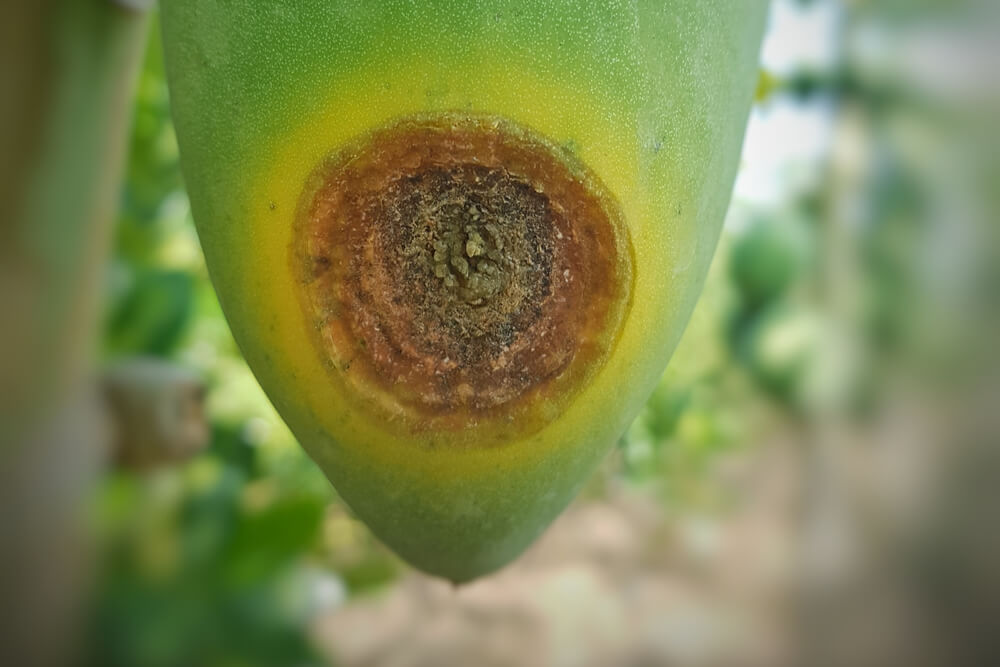
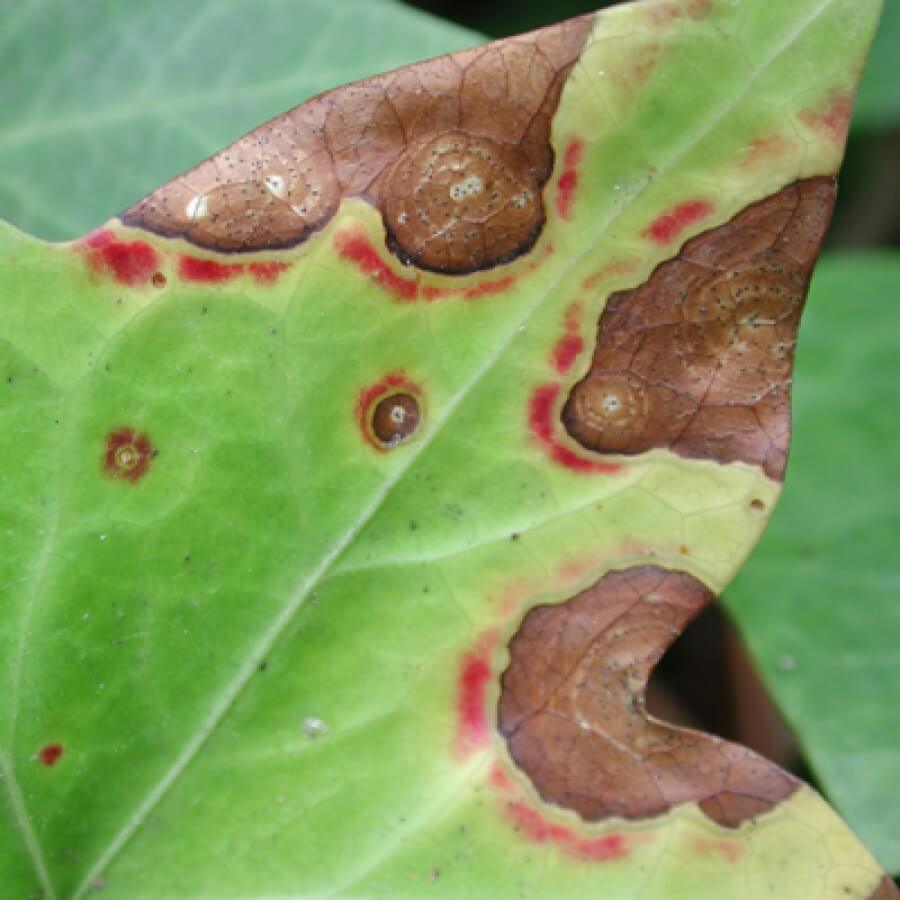
Anthracnose is a fungal disease caused by different species of fungi of the genus Colletotrichum, which affects a wide variety of plants, including ornamental and garden plants. This pathogen is characterized by producing dark Taches on the leaves, stems and fruits of infected plants. These Taches typically have a dark edge and a lighter-colored center, and over time they can expand and merge, causing breakdown of plant tissue and reduced plant yield.

SYMPTOMS

Anthracnose in ornamental and garden plants causes symptoms such as dark leaf Taches, necrotic lesions on stems and branches, as well as rotting of fruits and flowers. These symptoms can lead to premature defoliation, deformation of the shoots and loss of vigor of the plant, which negatively affects its aesthetic appearance and general health.

Anthracnose: Symptoms and damage in ornamental plants
Damage caused by Anthracnose in ornamental plants
Anthracnose in ornamental plants: How to recognize and treat it effectively

Don’t know which pest or disease your plant has?

A plant expert reviews your photos and sends you a clear diagnosis within 24 hours, with step-by-step solutions.

1709890758650.png

TEMPERATURE AND HUMIDITY

20°C - 30°C

70% - 90%

Cargando...

HOW IS IT SPREAD?

Rain, water splashes, direct contact with infected plant material, insect vectors.

1709890758673.png

HOW TO REMOVE IT?

Home remedies

BONE MEAL OR GROUND FISH SHELLS

RUSTY NAILS OR IRON SHAVINGS

BANANA PEELS

EPSOM SALTS (MAGNESIUM SULFATE)

SOLUTION WITH HOUSEHOLD BORAX

GROUND OR BOILED EGGSHELLS

COMPOST WITH ONION OR GARLIC SCRAPS

VEGETABLE COOKING WATER

WOOD ASH

WATER WITH VINEGAR OR LEMON (VERY DILUTED)

GARLIC INFUSION

USED COFFEE OR TEA

BANANA AND EGGSHELL INFUSION

POTATO OR LEGUME COOKING WATER

COMPOST FROM FRESH GREEN LEAVES

COMPOST OR WELL-AGED MANURE

DILUTED MILK (1:10)

BANANA TEA

LEAF COMPOST

NETTLE SLURRY

POTASSIUM SOAP AND NEEM OIL SOLUTION

POTASSIUM SOAP SOLUTION + NEEM OIL + DIATOMACEOUS EARTH

BAKING SODA AND NEUTRAL SOAP SOLUTION

GARLIC INFUSION WITH NEUTRAL SOAP

CHROMATIC OR ADHESIVE TRAPS

DILUTED MILK

HORSETAIL INFUSION

TRUNK WHITEWASHING

DIATOMACEOUS EARTH

WOOD ASH

NETTLE SLURRY

CUT THE AFFECTED BRANCHES AND APPLY CINNAMON

GARLIC AND CINNAMON INFUSION

INFUSION OF WORMWOOD, CHILI OR CHILLI

CLEAN THE AFFECTED AREA AND APPLY ASH PASTE WITH GARLIC OR CINNAMON

GARLIC AND MINT INFUSION

LIGHT TRAPS

APPLY CINNAMON POWDER

PITFALL TRAPS

CRUSHED EGG SHELLS

CLEAN AND SEAL THE WOUND WITH CLAY, CINNAMON AND GARLIC PASTE

GARLIC INFUSION

MATURE COMPOST

TRAPS WITH VINEGAR AND SOAP

SEAL HOLES WITH ASH PASTE AND CRUSHED GARLIC

VINEGAR AND BAKING SODA SOLUTION

ANT TRAP

TAPE TRAP

PHEROMONE TRAP

ALCOHOL TRAPS

FUNNEL TRAP

There are no home treatments

Chemical treatments

• AZOXISTROBIN 25% [SC] P/V
• CAPTAN 47.5% [SC] P/V
• CIPRODINIL 37.5% + FLUDIOXONIL 25% [WG] P/P
• FOLPET 50% [SC] P/V
• FOLPET 80% [WG] P/P
• METIRAM 70% [WG] P/P
• PIRACLOSTROBIN 6.7% + BOSCALIDE 26.7% (I) [WG] P/P
• CUPRIC HYDROXIDE 25% (EXPR. IN CU) [WG] P/P
• LAMINARIN 4.5% [SL] P/S
• COPPER OXYCHLORIDE 35% (exp. in Cu) [WG] P/P
• COPPER OXYCHLORIDE 38% (EXPR. IN CU) [SC] P/V
• COPPER OXYCHLORIDE 50% (EXPR. IN CU) [WP] P/P
• COPPER OXYCHLORIDE 52% (EXPR. IN CU) [SC] P/V
• CUPROCALCIC SULFATE 20% (EXPR. IN CU) [WG] P/P

Treatments allowed in organic farming

• CUPRIC HYDROXIDE 25% (EXPR. IN CU) [WG] P/P
• LAMINARIN 4.5% [SL] P/S
• COPPER OXYCHLORIDE 35% (exp. in Cu) [WG] P/P
• COPPER OXYCHLORIDE 38% (EXPR. IN CU) [SC] P/V
• COPPER OXYCHLORIDE 50% (EXPR. IN CU) [WP] P/P
• COPPER OXYCHLORIDE 52% (EXPR. IN CU) [SC] P/V
• CUPROCALCIC SULFATE 20% (EXPR. IN CU) [WG] P/P

Insect allies

PREDATORY MITES

LADYBUGS

LACEWINGS

PARASITIC WASPS

HOVERFLIES OR PARASITIC FLIES

PREDATORY BUGS

There are no natural allies

Mycodiplosis oidii (predatory mosquito)

EFFECTIVE PRODUCTS TO ELIMINATE THIS DISEASE

Sponsored link

Ecoworm Potassium Soap

Ecoworm Potassium Soap

Multi-purpose solution for insects. Effective against whiteflies, mites, thrips, leafhoppers, aphids and scale insects.

Sponsored link

Fruit Fly Traps

Fruit Fly Traps

Ready-to-use fruit fly trap with attractant.

Sponsored link

Liquid Copper Fungicide

Liquid Copper Fungicide

Copper fungicide for fungal diseases and plant diseases.

Sponsored link

Organic Seaweed Fertiliser

Organic Seaweed Fertiliser

Plant Food Ideal for All Plants, Rich in Additional Nutrients

Sponsored link

Fungus Fighter Plus | Fungicide for Plants

Fungus Fighter Plus | Fungicide for Plants

Broad-spectrum fungicide for effective control of fungal diseases in plants.

Sponsored link

Ultimate Bug Killer | Broad-Spectrum Insecticide

Ultimate Bug Killer | Broad-Spectrum Insecticide

Fast acting bug spray with up to 2 weeks protection, controls common garden pests

To prevent and control anthracnose in ornamental and garden plants, it is recommended to carry out integrated pest management practices. This includes removing infected plant debris, maintaining good air circulation around the plants, and preventatively applying specific fungicides. In addition, it is important to avoid excess moisture in the soil and in the environment, since anthracnose tends to spread more easily in conditions of high humidity.

Recommendations

Consulting on plant problems and diseases
bottom of page