


Moscas de la fruta
Fruit flies: what they are, how they originate, and how to eliminate them effectively.
Fruit Fly
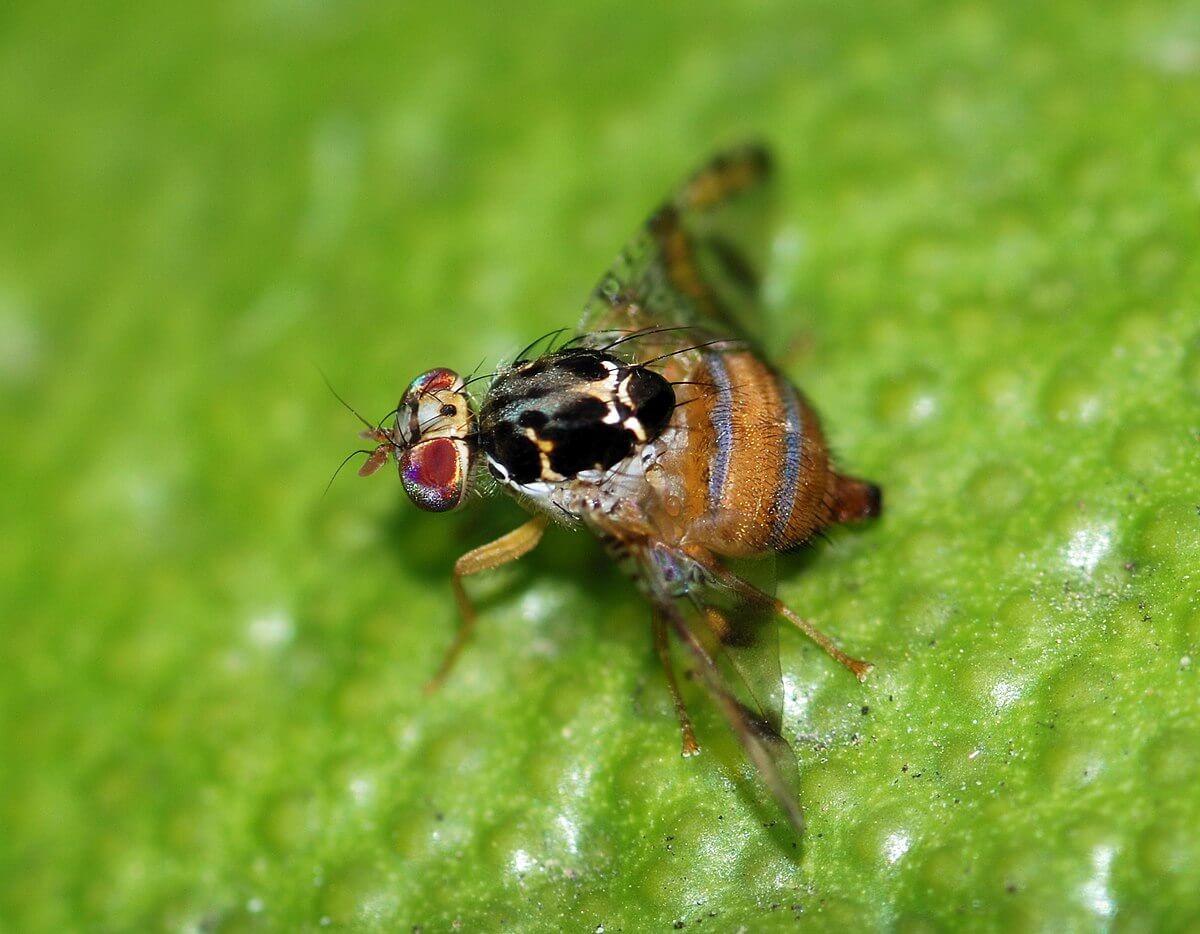
Ceratitis Capitata
Pathogen:
Insect
Type:
Risk to the plant:
CRITICAL


DESCRIPTION
WHO CAUSES IT?
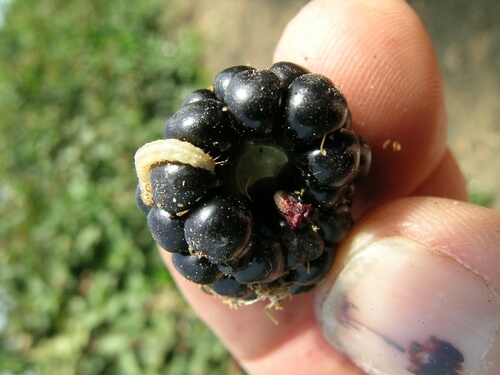
Ceratitis capitata, commonly known as the fruit fly, is one of the most harmful insects to agriculture worldwide. This dipteran is characterized by its ability to infest a wide variety of fruit crops. Adult females lay their eggs inside the fruits using a specialized structure called an ovipositor. Each female can lay hundreds of eggs during her lifetime. The eggs hatch into larvae that feed on fruit tissue, causing significant damage. These larvae go through three larval stages before pupating in the soil. Pupation lasts several days, depending on environmental conditions, after which the adults emerge. The total duration of development from egg to adult can vary between 2 to 4 weeks, favored by warm temperatures and high humidity. Adults feed on nectar and fruit juices, and their longevity can extend up to two months. High fecundity and the capacity for multiple generations per season make Ceratitis capitata a persistent pest that is difficult to eradicate.
SYMPTOMS
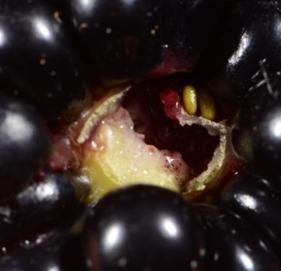
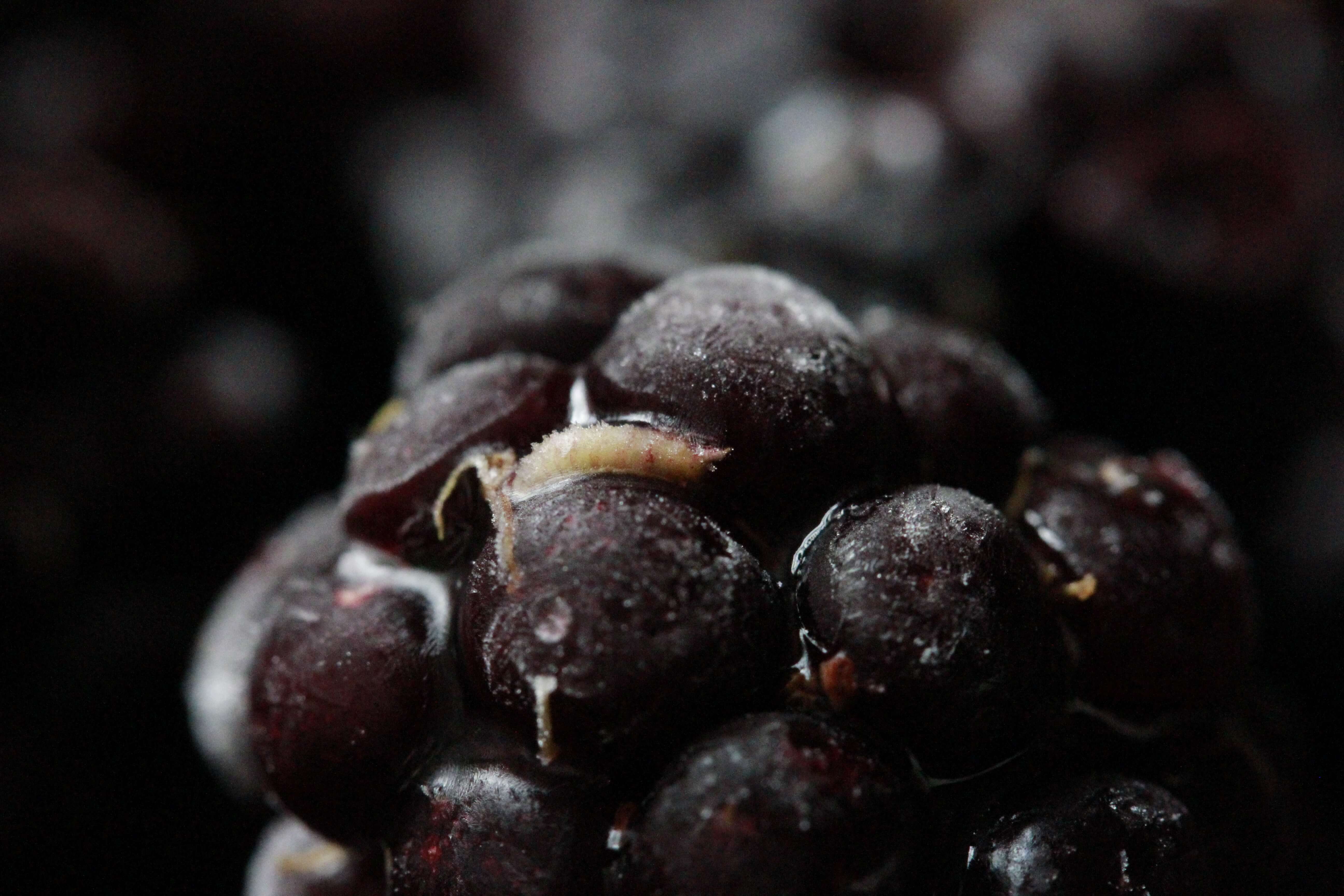
The fruit fly causes severe damage to blackberries, affecting both the quality and quantity of production. Ceratitis capitata larvae feed on the inside of fruits, destroying the pulp and causing tissue decomposition. This larval activity causes a series of symptoms that compromise the health of the fruits and, in serious cases, the plant itself.
- Presence of small holes on the surface of the fruit.
- Development of soft and rotten areas on the fruits.
- Internal decomposition of the fruit, with a wet and smelly appearance.
- Color changes in the fruits, which can become brown or black.
- Premature fall of infected fruits.
- Loss of flavor and commercial value of the fruits.
- Increase in the presence of other pathogens due to decomposition.

TEMPERATURE AND HUMIDITY
20°C a 30°C
60% a 80%

HOW IS IT SPREAD?
Wind, Movements of infested fruits, Contaminated tools, Transport of plant material, Field personnel

HOW TO REMOVE IT?
Home remedies
There are no home treatments
Chemical treatments
• AZADIRACTIN 1% (AS AZADIRACTIN A) [EC] P/V
• Azadirachtin 2.6% (AS AZADIRACTIN A) [EC] P/V
• Ceratitis capitata (Pheromone)
• DELTAMETHRIN 0.015g/trap [RB] P/P
• TRAPS
• TRAPS FOR DIPTERANS
• FRUIT FLY TRAPS
Treatments allowed in organic farming
• AZADIRACTIN 1% (AS AZADIRACTIN A) [EC] P/V
• Azadirachtin 2.6% (AS AZADIRACTIN A) [EC] P/V
• Ceratitis capitata (Pheromone)
• DELTAMETHRIN 0.015g/trap [RB] P/P
• TRAPS
• TRAPS FOR DIPTERANS
• FRUIT FLY TRAPS
Insect allies
PREDATORY MITES
LADYBUGS
LACEWINGS
PARASITIC WASPS
HOVERFLIES OR PARASITIC FLIES
PREDATORY BUGS
There are no natural allies
Mycodiplosis oidii (predatory mosquito)
EFFECTIVE PRODUCTS TO ELIMINATE THIS DISEASE

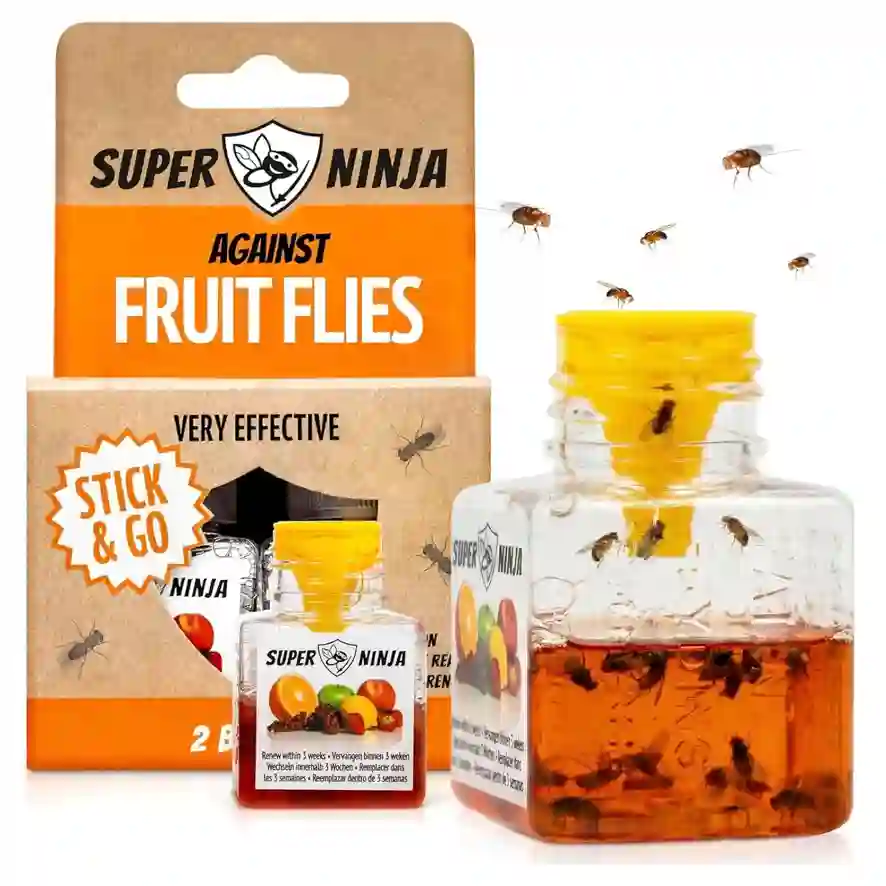
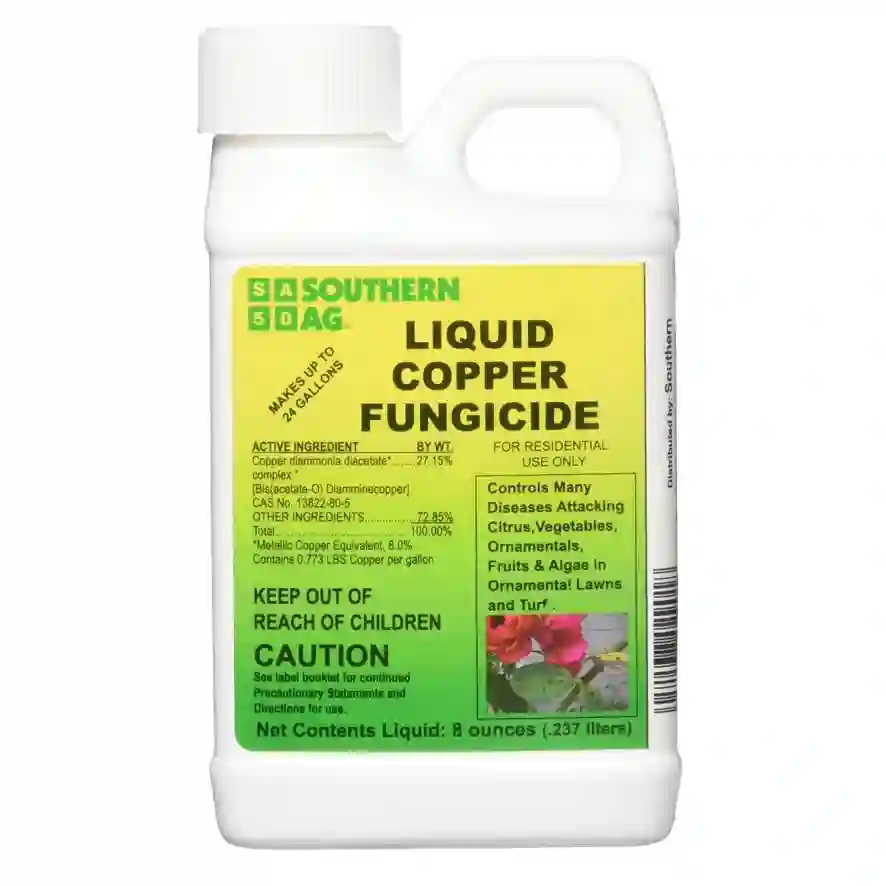


- Implement traps with specific attractants to monitor and reduce the adult population.
- Carry out regular collections and elimination of fallen or infested fruits to minimize sources of inoculum.
- Apply treatments with approved insecticides on a rotating basis to avoid resistance.
- Promote the use of biological controls, such as parasitoids and natural predators of the fruit fly.
- Use meshes and protective covers to prevent fly access to the fruits.
- Maintain rigorous sanitation practices in the garden and its surroundings.
- Perform tillage practices to expose and destroy pupae in the soil.
- Implement sexual confusion techniques to interfere with adult mating.
Recommendations



Explore more tools
Services
Contact
Legal
©2023 por ZeriMar Laboratoire. Todos los derechos reservados.